


Commercial Groundworks in Bicester
Commercial groundworks provide the essential preparation every development needs, ensuring construction begins on stable ground with the infrastructure required to support each stage of the build.
– Sam Peet Groundworks –
What To Expect From Commercial Groundworks On Active Sites
For many clients, the first stages of a commercial project happen long before any building begins to take shape. Site investigations, excavation, drainage, and foundation work all need to be carefully coordinated before above-ground construction can move forward. Knowing what to expect during these early phases helps developers, business owners, and contractors understand how commercial groundworks contribute to the success of the wider project in Bicester.
The Project Begins With Site Assessment
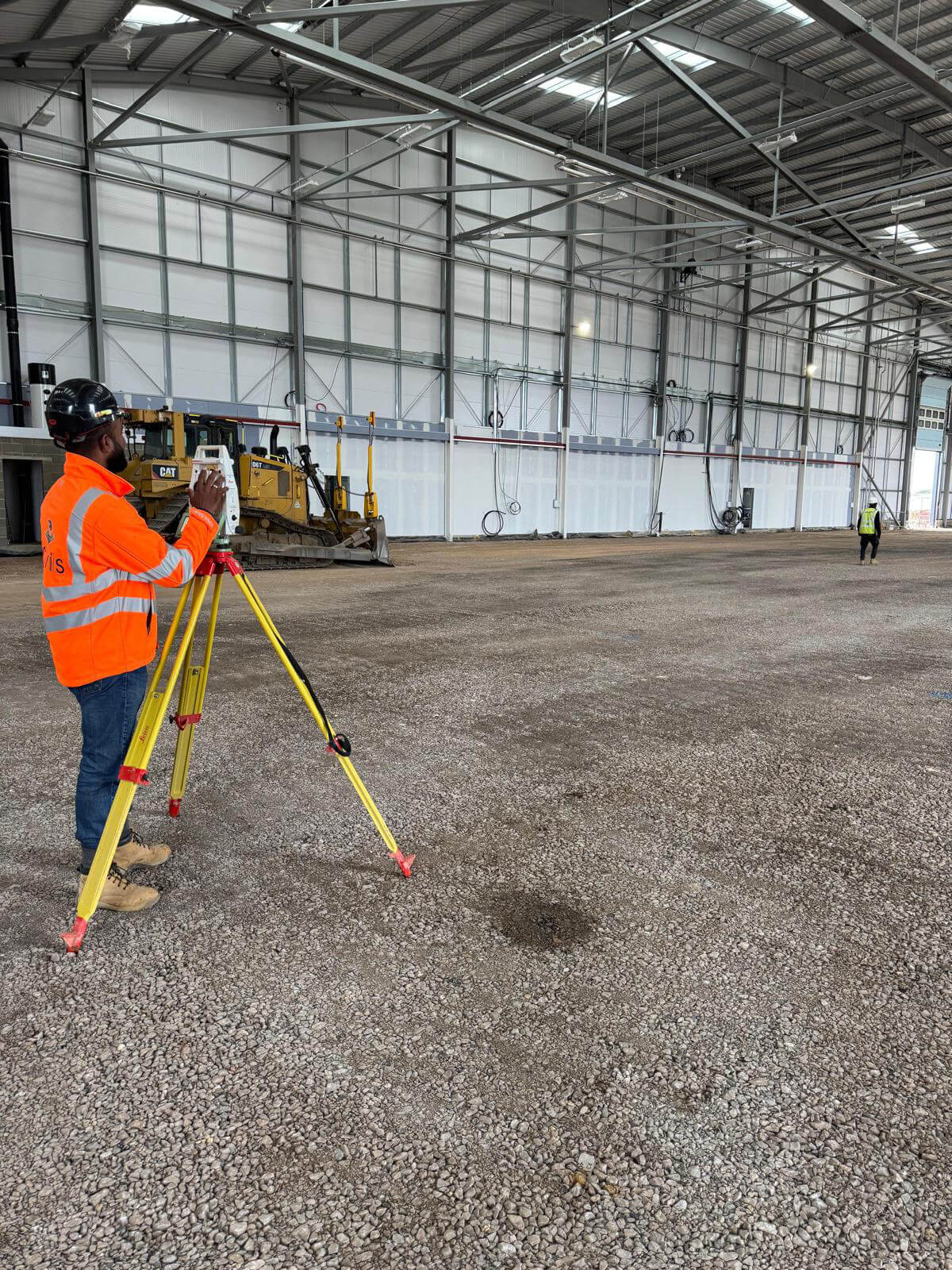
Every commercial development starts with understanding the land that will support it. Surveying establishes site boundaries, existing levels, access routes, and any physical constraints that may influence construction.
Ground investigations may also identify existing utilities, previous foundations, or changes in soil conditions that need to be considered before excavation begins. This information helps determine how the site should be prepared while allowing construction to progress in a planned sequence.
Starting with accurate site data reduces uncertainty throughout the remainder of the project.
Site Preparation Creates the Right Conditions
Once the site has been assessed, preparation work can begin.
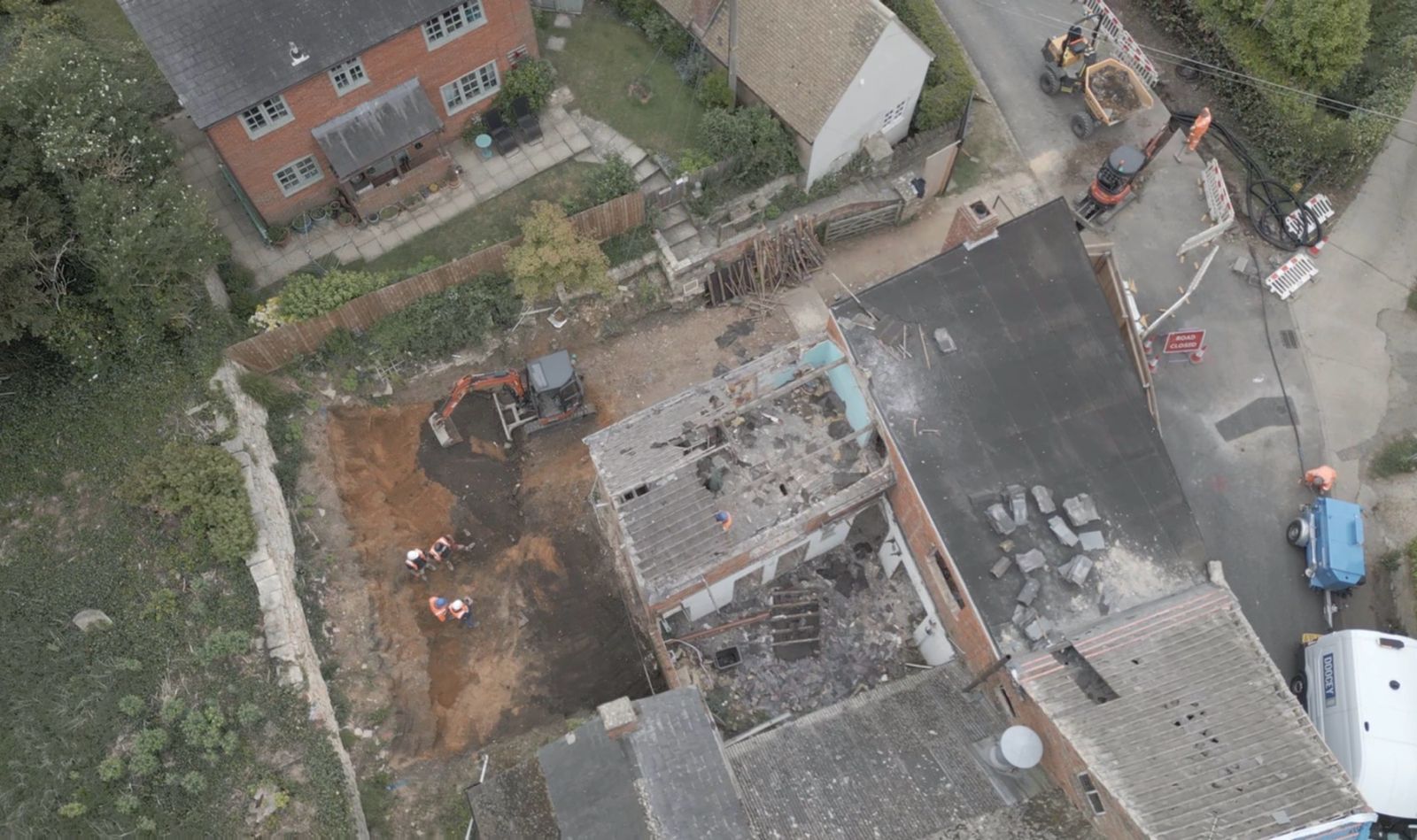
This often includes clearing vegetation, removing redundant structures, stripping topsoil, and establishing safe working areas for plant and machinery. Temporary access routes may also be created to allow equipment and deliveries to move efficiently around the site.
Although these activities take place before the main construction programme gathers pace, they are essential for creating a safe and organised environment where other trades can begin work.
Excavation and Earthmoving Follow
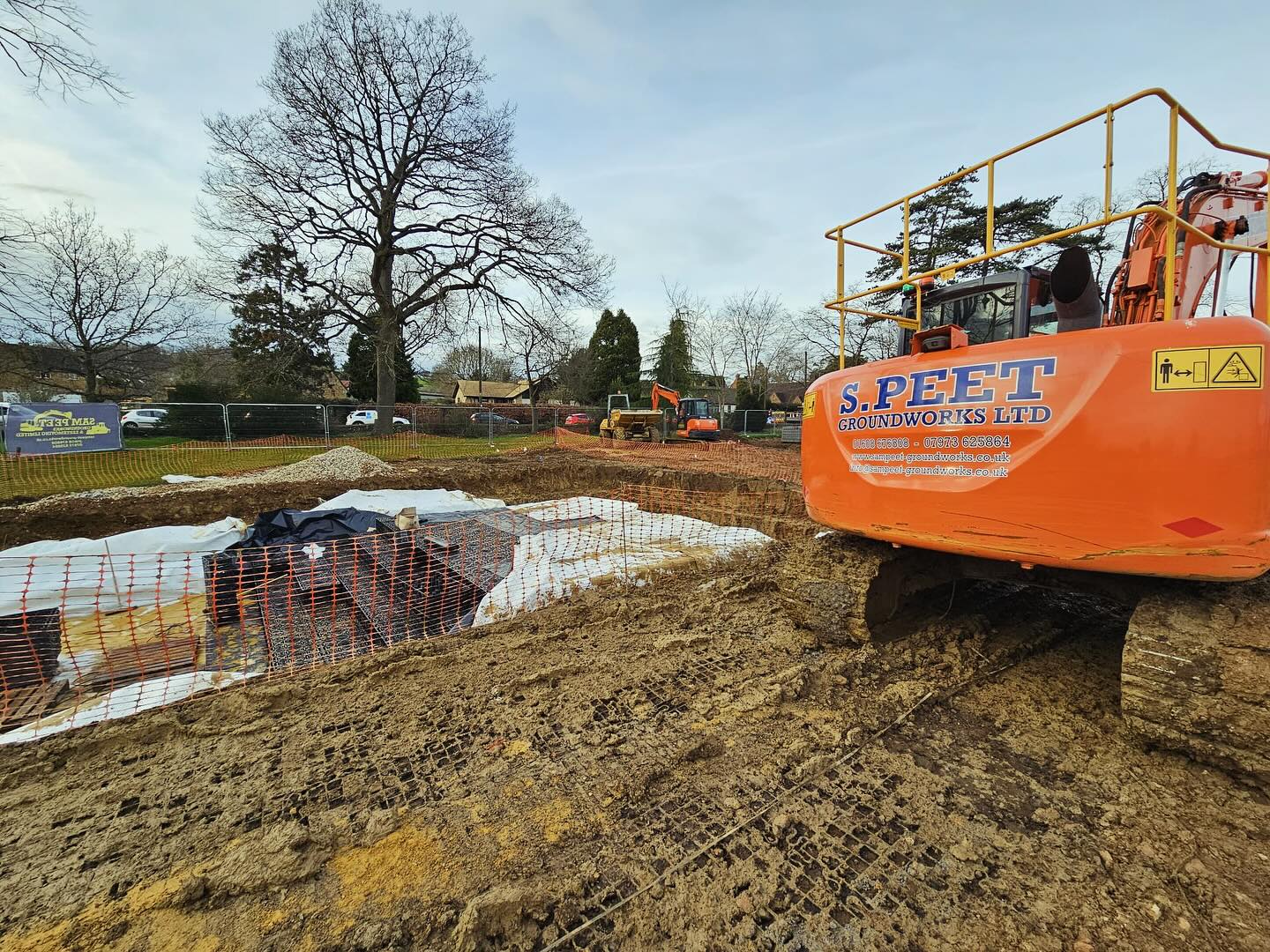
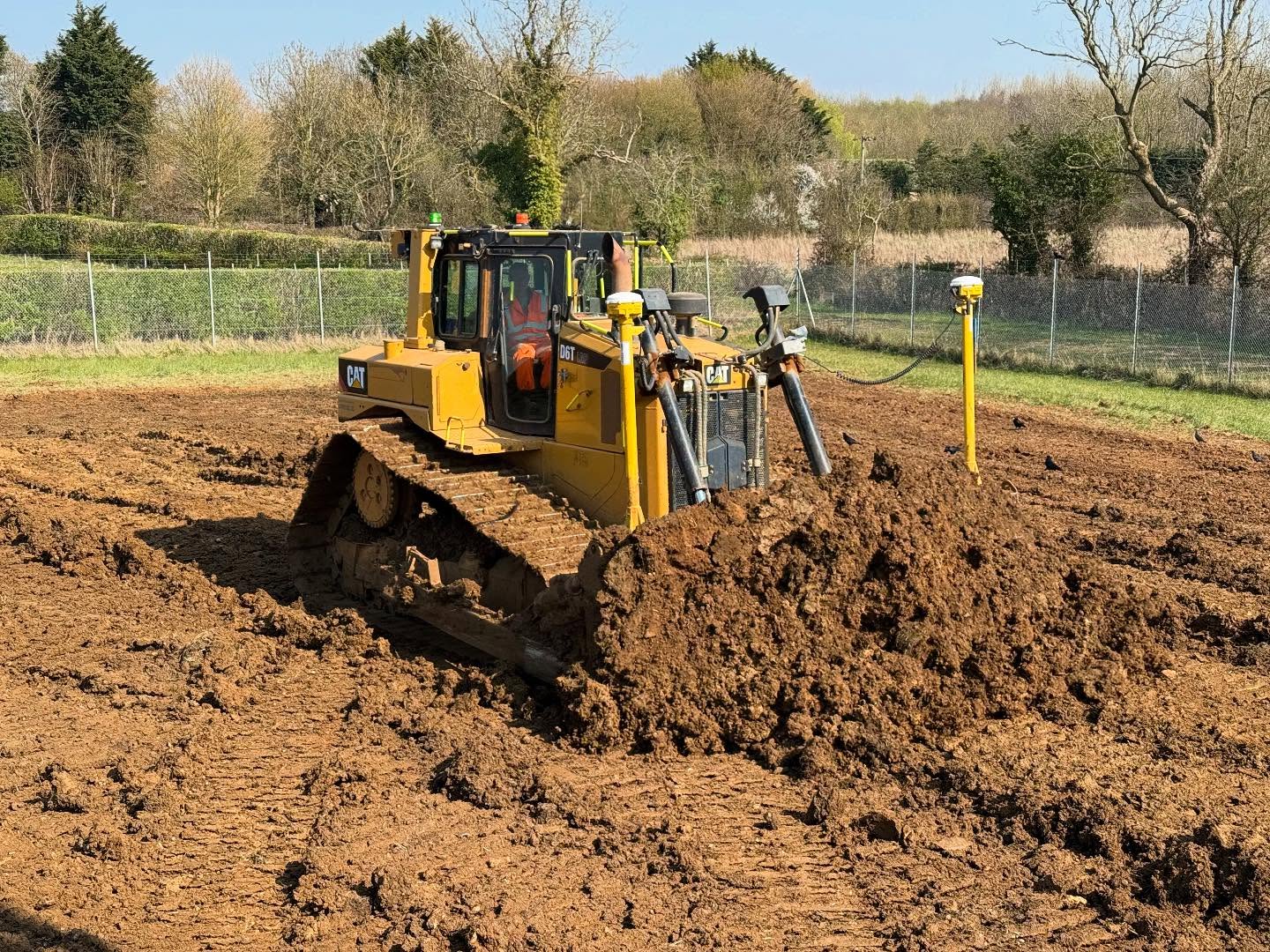
Excavation forms one of the largest elements of many commercial groundworks projects.
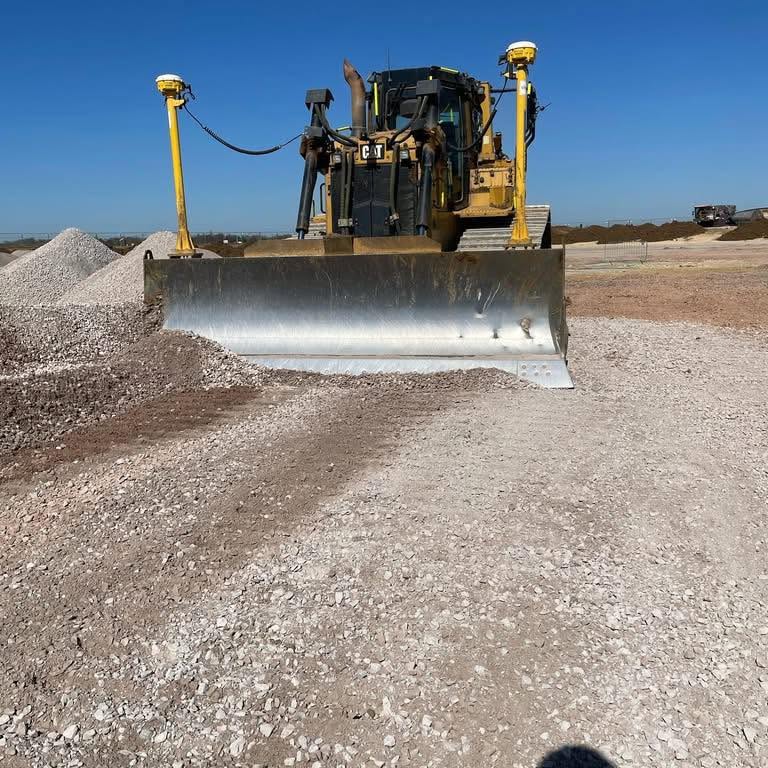
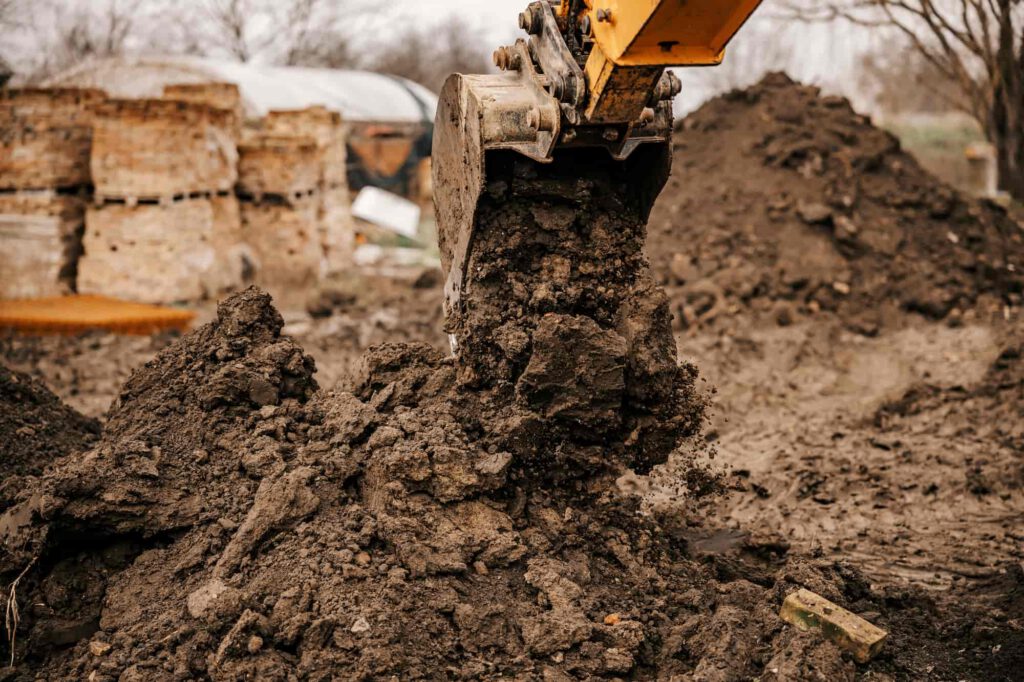
Earthmoving operations shape the site to match the approved design, creating suitable levels for buildings, roads, parking areas, and external infrastructure. Material may be redistributed across the development where appropriate, while surplus spoil is removed to keep the site clear and accessible.
The scale of excavation depends on the size and complexity of the project, but accuracy remains just as important as efficiency throughout this stage.
Foundations and Below-Ground Infrastructure
Once formation levels have been established, foundation work can begin.
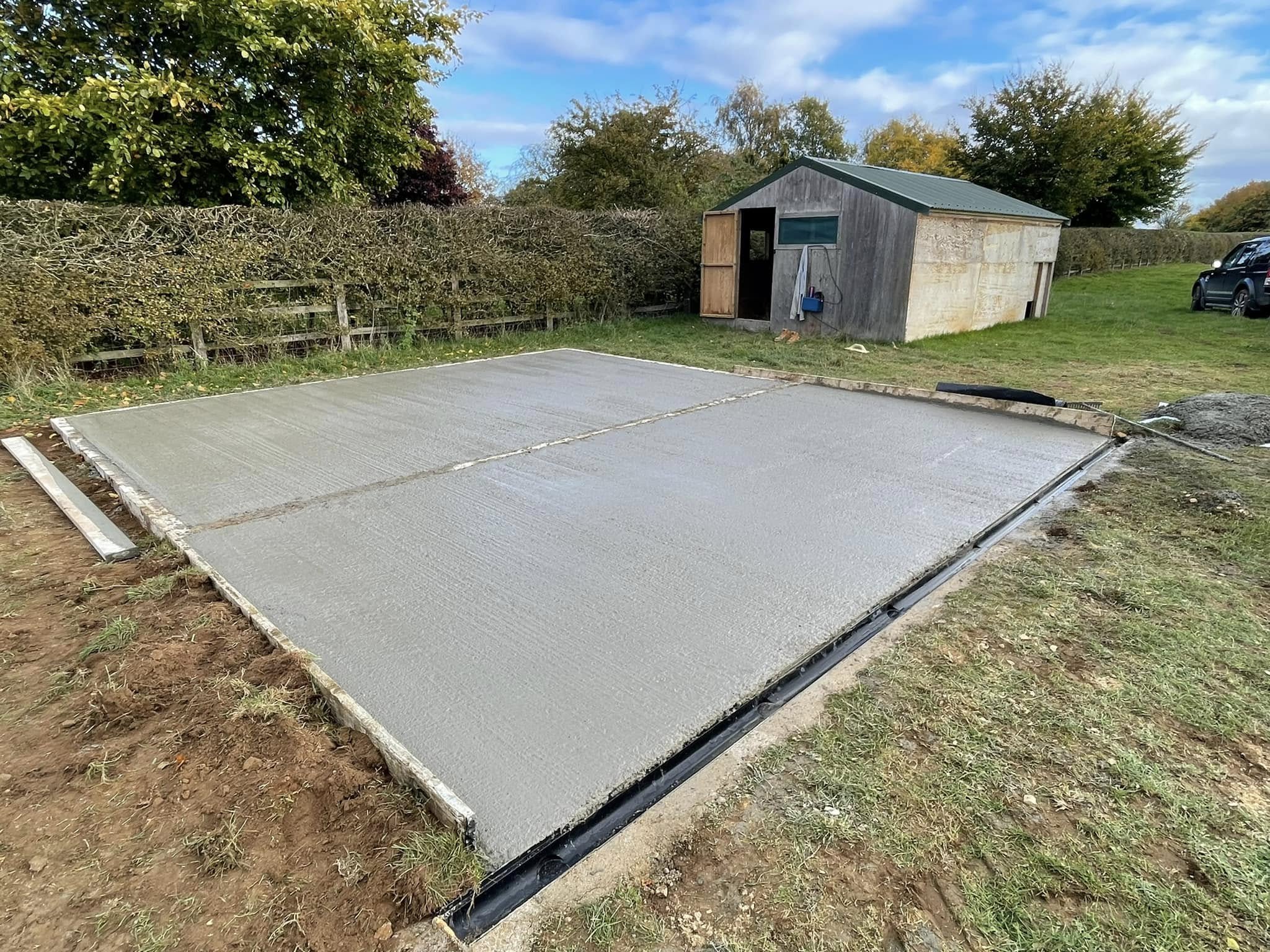
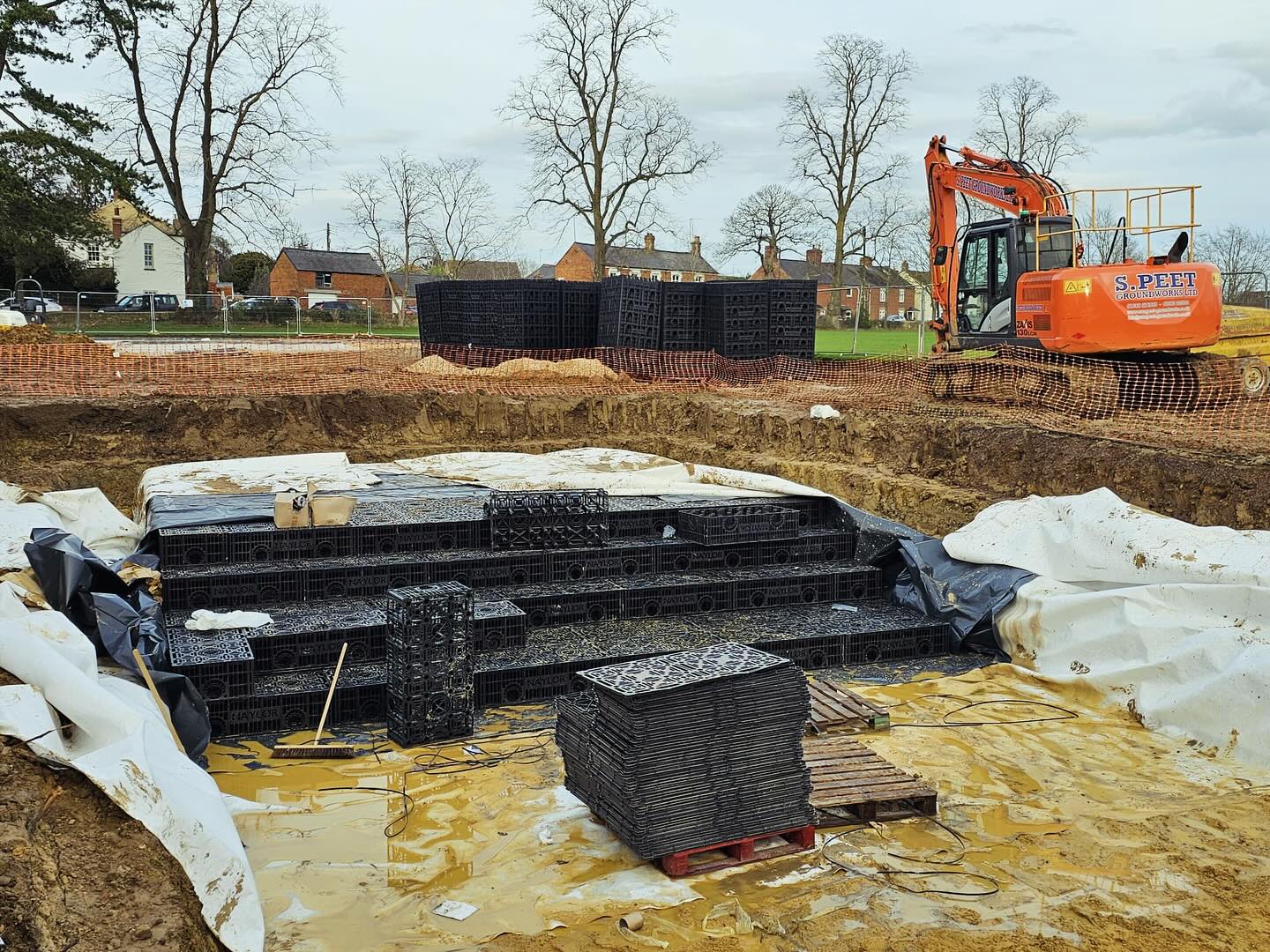
The type of foundations installed depends on the structural design, ground conditions, and intended use of the development. Reinforced concrete slabs, strip foundations, and pad foundations are all commonly used on commercial projects.
Drainage systems, utility trenches, water supplies, and service ducts are also installed during this phase, ensuring the infrastructure beneath the site is in place before construction progresses above ground.
Keeping Construction Moving
Commercial developments often involve several contractors working at the same time.
Good coordination between excavation, foundations, drainage, and utility installation helps minimise disruption while allowing each stage of construction to progress efficiently. Plant movements, deliveries, and material storage are carefully managed to maintain safe working conditions across the site.
This level of organisation helps reduce delays while supporting the overall construction programme.
Every Site Presents Different Challenges
No two commercial sites are identical, even when the developments appear similar.
Ground conditions, restricted access, existing services, and planning requirements can all influence how commercial groundworks are carried out. Brownfield sites may require additional excavation or demolition, while greenfield developments often introduce different drainage and earthmoving considerations.
Adapting to these conditions as work progresses helps maintain momentum while ensuring the finished groundwork meets the requirements of the project.
Looking Ahead to Construction
Once commercial groundworks have been completed, the site is ready for the next stage of development.
Buildings, roads, utilities, and external works all depend on the accuracy of the preparation completed below ground. While much of this work is no longer visible once the project is finished, it continues to support the performance and stability of the development for years to come.
Get in Touch
Planning a commercial groundworks project in Bicester starts with understanding what your site needs before construction begins. Sam Peet Groundworks provides commercial foundation and earthmoving services, and much more, from an experienced groundworker operating across Bicester and beyond. Call 07973 625864 or 07951 796657 today.