

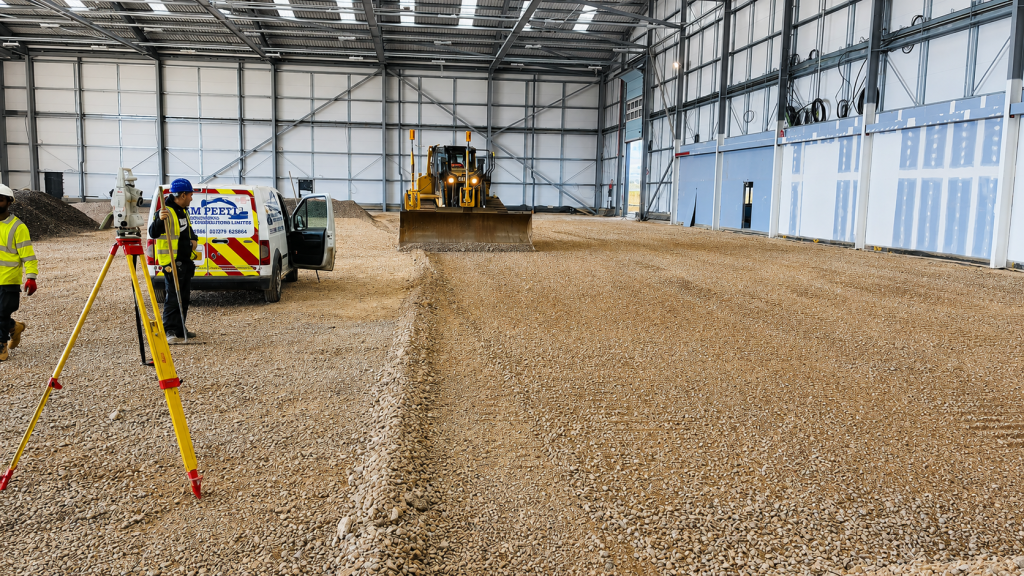
Site Preparation in Bicester
Every successful construction project in Bicester and the surrounding areas begins with thorough ground preparation, creating the right conditions for building work long before foundations are installed.
Site Clearance, Grubbing, and Demolition
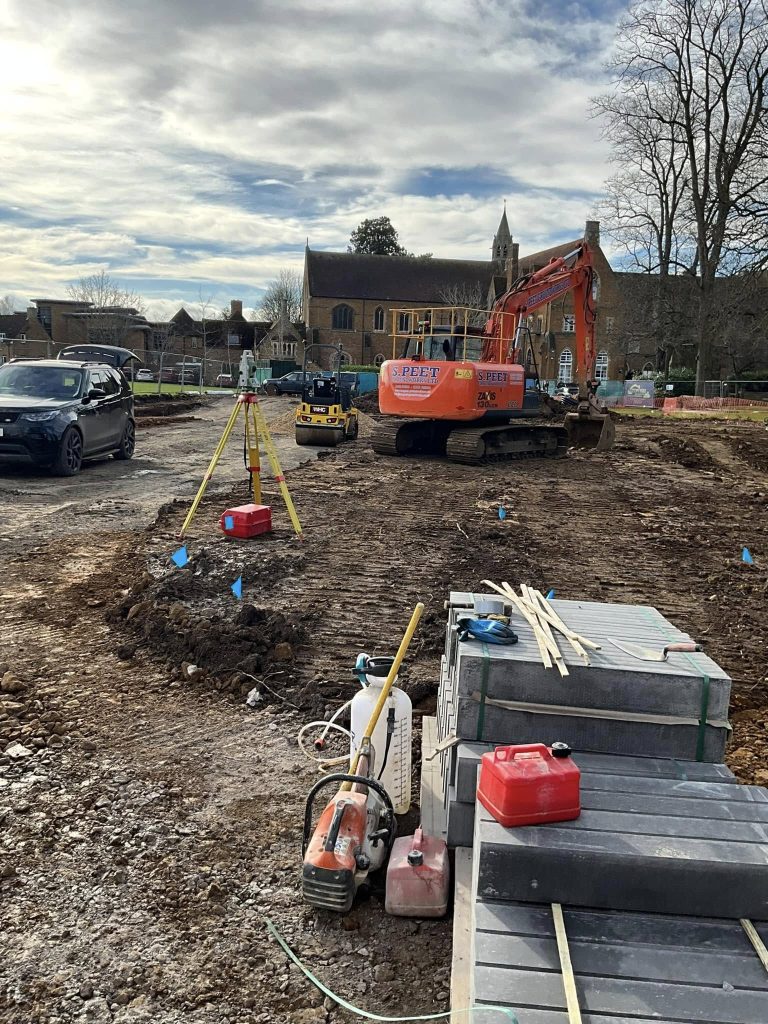
Before construction can begin, the site must be cleared of anything that could interfere with development. Site clearance commonly includes removing vegetation, trees, roots, stumps, rocks, and other obstructions that prevent safe access or excavation.
Where existing buildings, hardstanding, old foundations, or pavements are present, demolition may also form part of the preparation process. Removing these structures creates space for new development while allowing engineers to inspect existing ground conditions.
Site clearance often forms the first visible stage of construction, providing contractors with a clean, organised working environment that supports the next phase of development.
Excavation, Grading, and Utility Installation
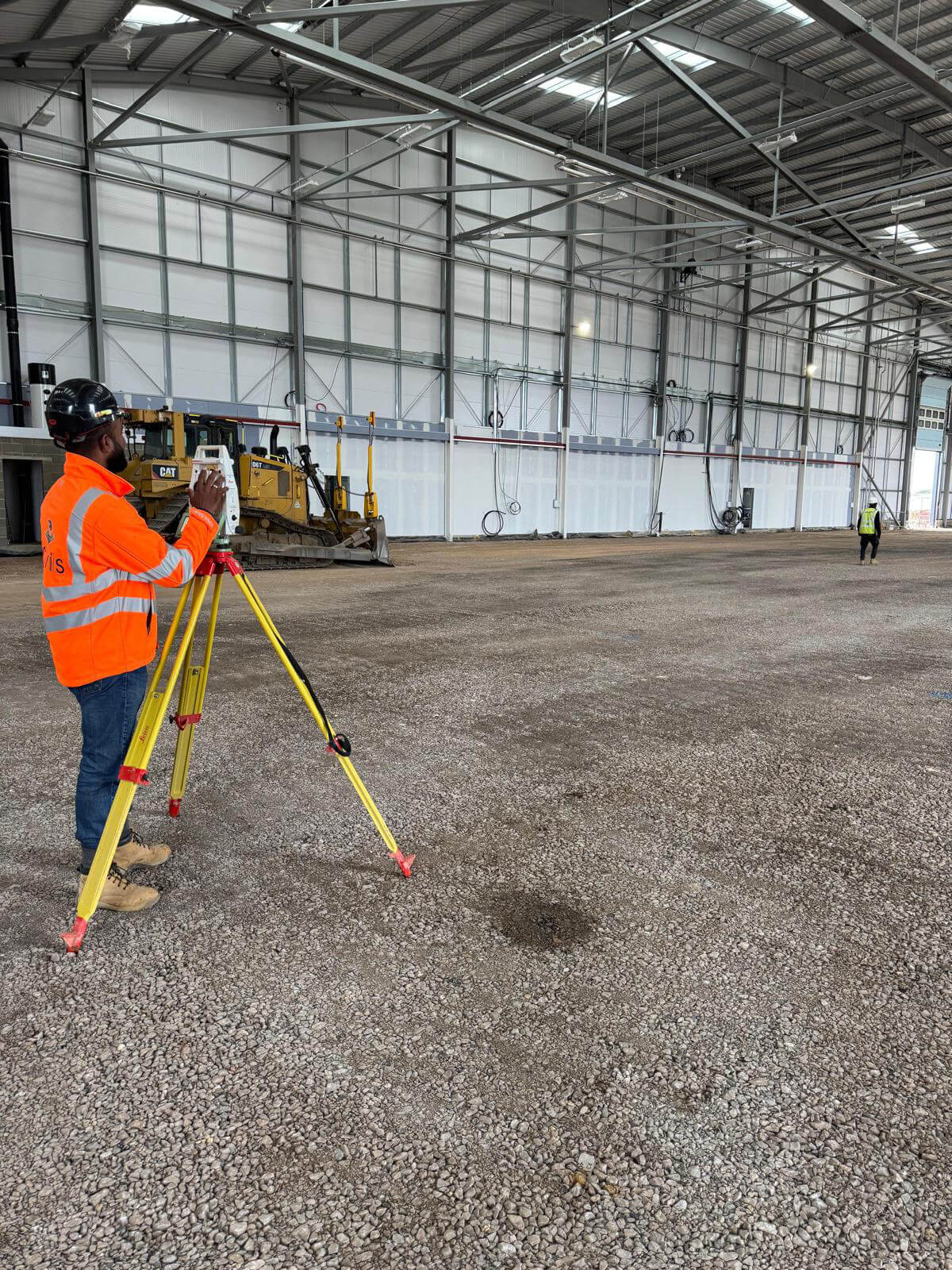
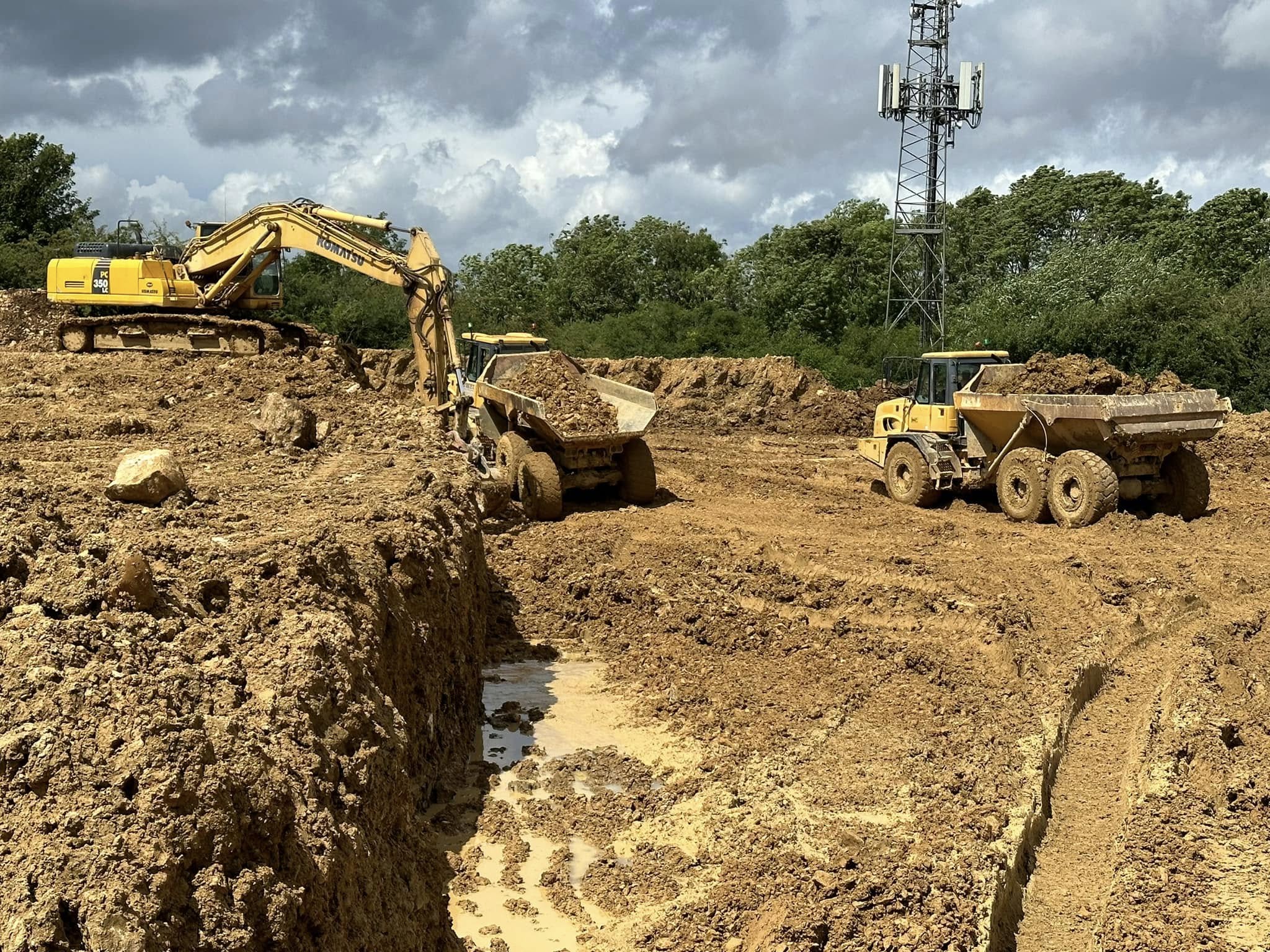
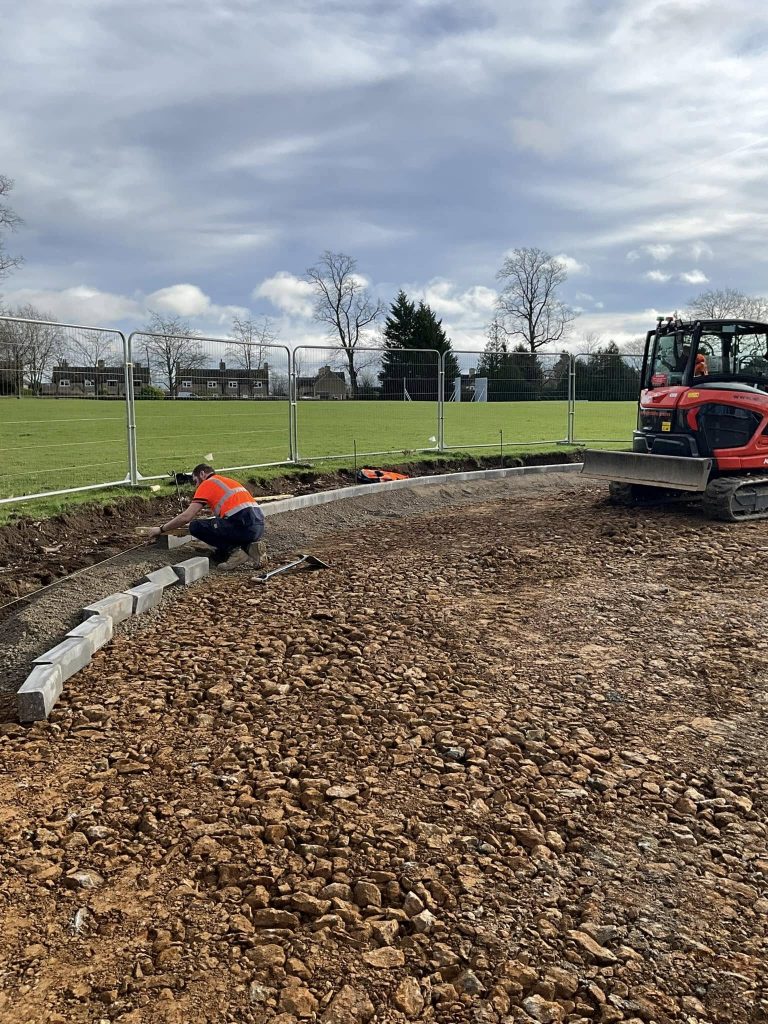
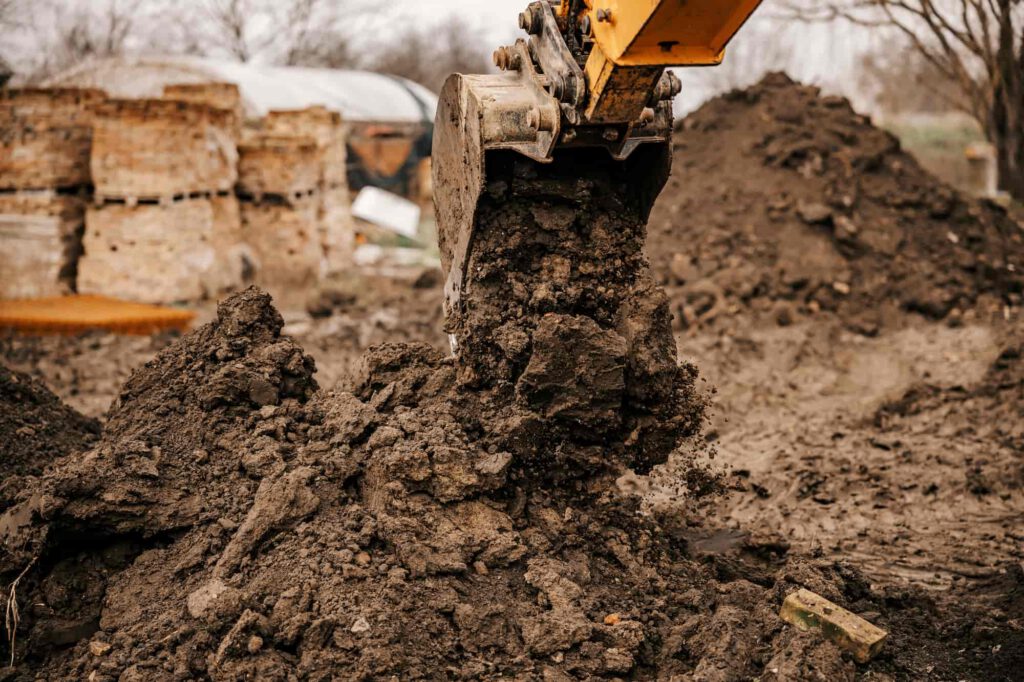
Once the site has been cleared, excavation begins to create the required formation levels for foundations, drainage, roads, and service routes. The excavation process is carefully planned to ensure work aligns with engineering drawings and construction specifications.
Grading is equally important, shaping the ground to encourage effective drainage while creating stable, level working areas. Correct grading helps manage surface water and reduces the likelihood of future settlement or erosion affecting completed developments.
Site preparation also includes excavating for underground utility installation. Trenches for water, electricity, communications, and drainage services must be accurately positioned before construction progresses, allowing essential infrastructure to be installed safely and efficiently.
Soil Testing and Ground Stability
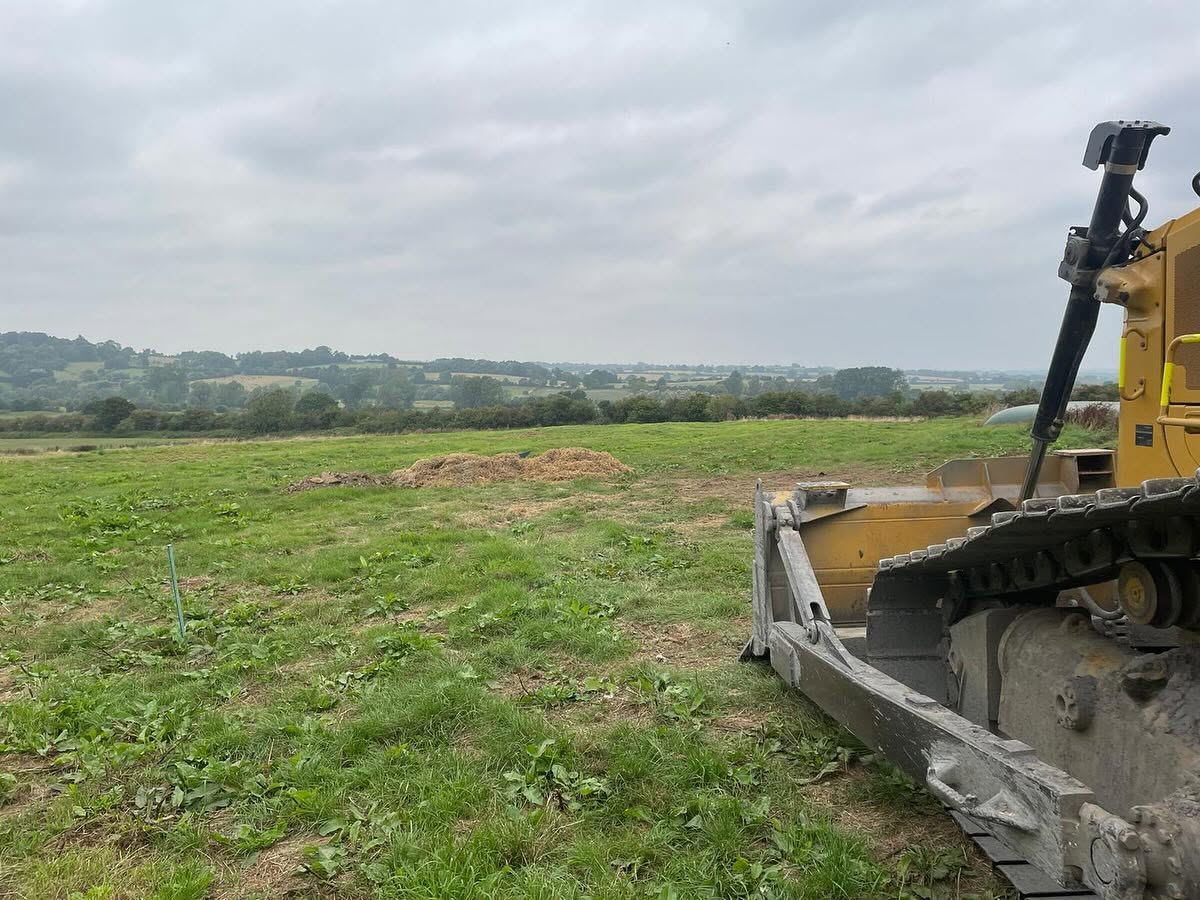
Not every site presents the same ground conditions. Soil testing helps determine whether the existing ground is capable of supporting the proposed development and identifies any areas requiring additional preparation.
Following assessment, soil compaction is carried out where necessary to improve stability and reduce the risk of future movement. This process forms an important part of site preparation, particularly on larger commercial developments or sites with previously disturbed ground.
Ground conditions identified during site planning often influence the construction programme, making early investigation an important part of successful project delivery.
Safety, Compliance, and Site Management
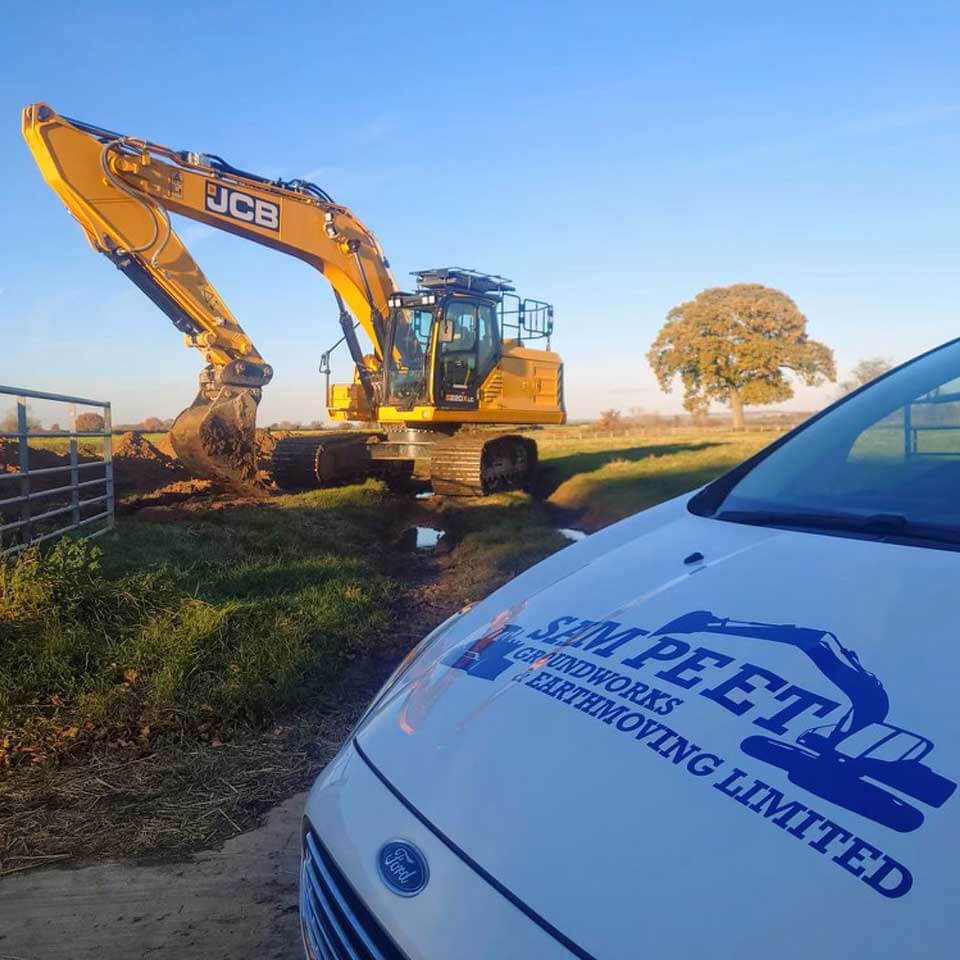
Construction sites operate within strict safety and regulatory requirements. Before excavation begins, underground utilities must be identified to reduce the risk of damaging existing services during digging operations.
Site preparation also includes establishing secure working areas, implementing appropriate safety measures, and ensuring protective equipment is used throughout construction activities. Compliance with local building regulations remains an essential part of every project, helping developments progress safely while meeting statutory requirements.
Maintaining organised working areas also improves efficiency, allowing contractors to move safely around the site as construction progresses.
Managing Common Site Preparation Challenges
Every site presents its own challenges, and experience plays an important role in responding to changing ground conditions.
Waterlogged ground and high water tables can delay construction if they are not identified and managed early. Appropriate drainage solutions and careful grading help control excess water before foundation work begins.
Unexpected underground obstructions, including buried concrete, redundant services, or historic foundations, can also affect construction programmes. Early investigation and flexible planning help minimise disruption while allowing work to continue safely.
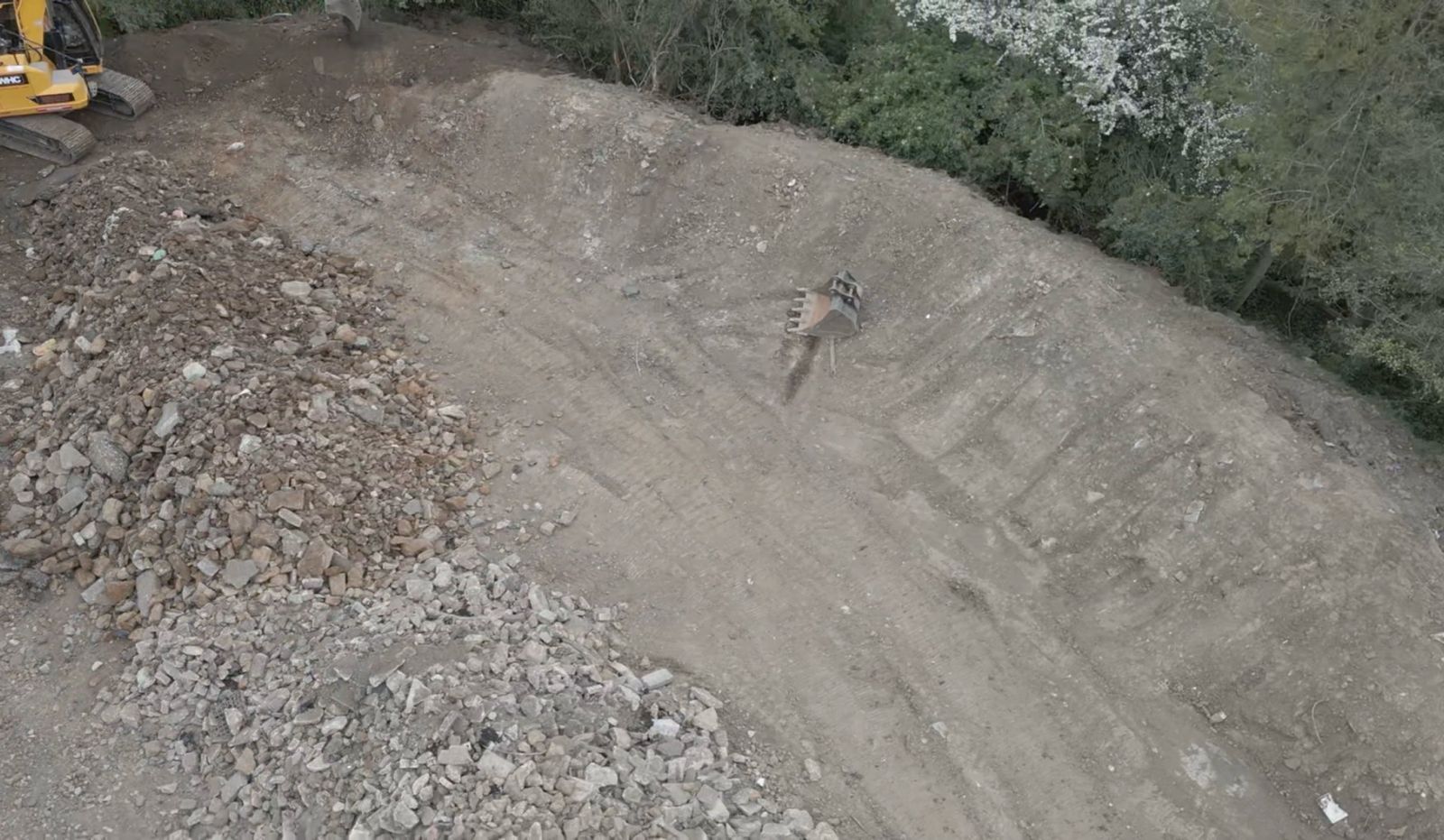
Managing soil erosion is another important consideration, particularly on exposed or sloping sites. Careful grading, controlled drainage, and considered site management reduce the impact of erosion throughout the construction process.
Supporting a Wide Range Of Clients
Our site preparation services support projects across a broad range of industries and sectors.
We regularly work alongside:
- Architects and developers
- Utility companies
- Local authorities
- Civil engineers
- Business owners
- The quarrying industry
Every project has different technical requirements, timescales, and site conditions, so preparation work is planned around the specific needs of the development rather than following a standard approach.
FAQs – Site Preparation
Site preparation typically includes surveying, site clearance, demolition, excavation, grading, soil testing, utility installation, and ground preparation before construction begins.
Site preparation helps create stable ground conditions, improves drainage, identifies potential issues early, and allows construction work to progress safely and efficiently.
Site clearance focuses on removing vegetation, debris, structures, and obstacles, while site preparation covers the wider process of preparing the land for construction, including excavation, grading, and soil testing.
Soil testing determines the bearing capacity and condition of the ground, helping engineers specify suitable foundation designs and reducing the risk of future settlement.
Contact Us
If you need an experienced groundworker providing professional site preparation solutions in Oxford, Kidlington, Bloxham, Bicester, Witney, Banbury, Carterton, Chipping Norton, Moreton-in-Marsh, Stow-on-the-Wold, Bourton-on-the-Water, or any of the surrounding Cotswolds areas, contact Sam Peet Groundworks on 07973 625864 or 07951 796657.