

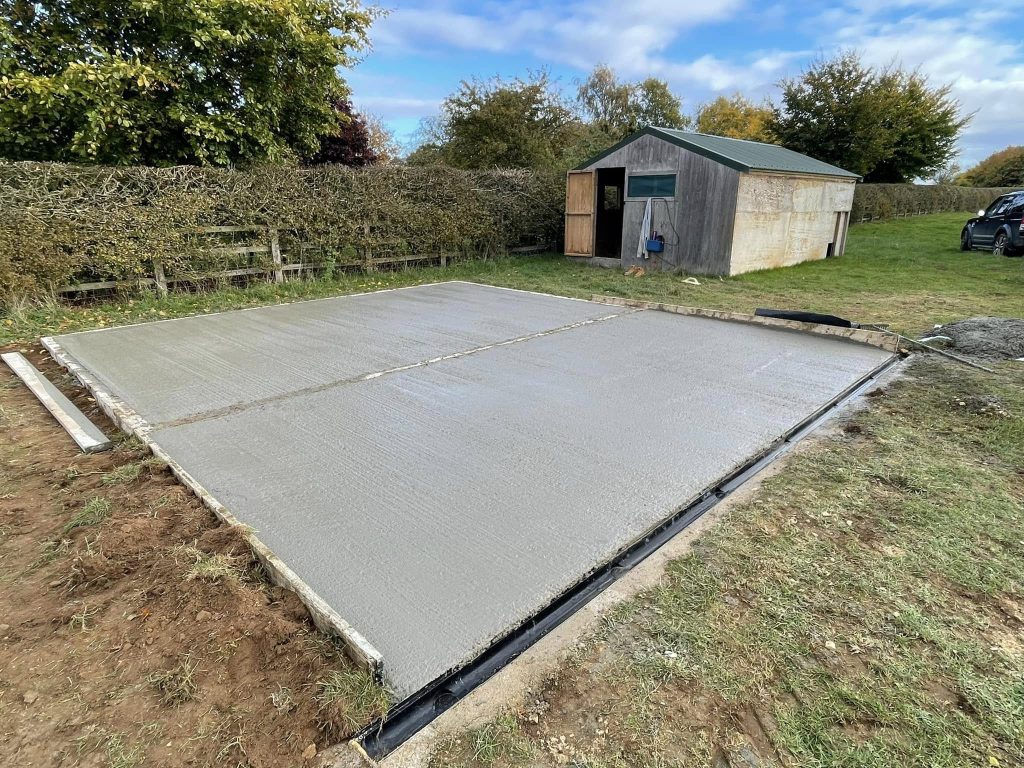
Foundations in Witney
Strong foundations determine how every structure performs over time, influencing stability and load distribution across domestic and commercial projects throughout Witney and beyond.
Domestic Projects, Extensions and Residential Builds
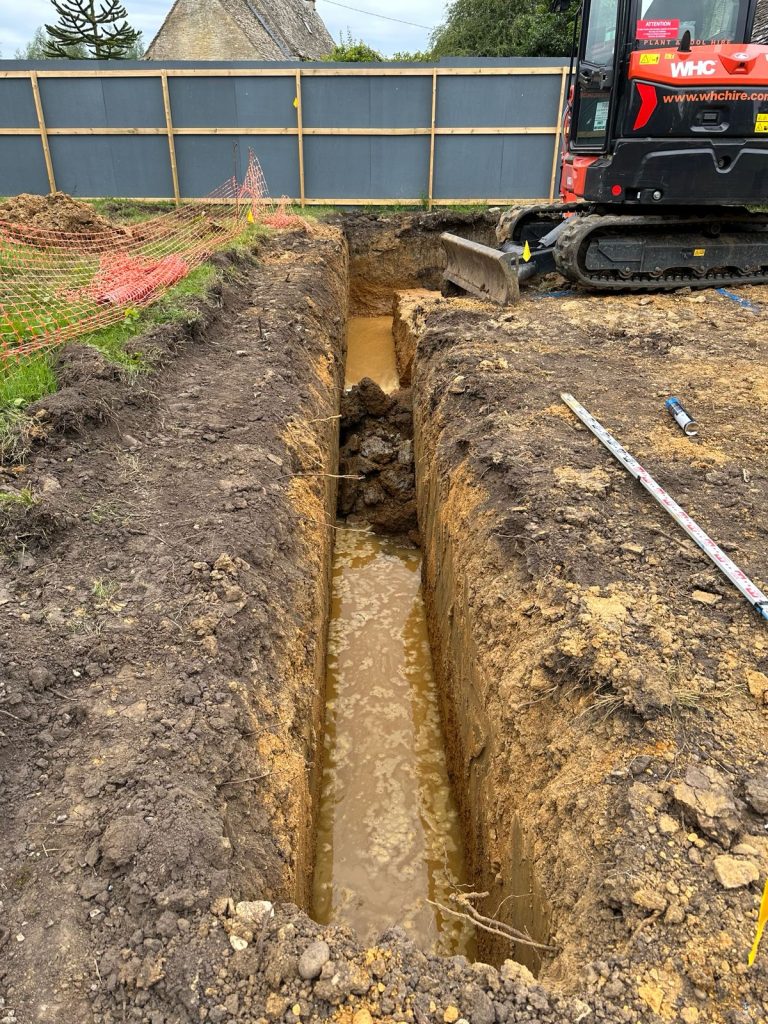
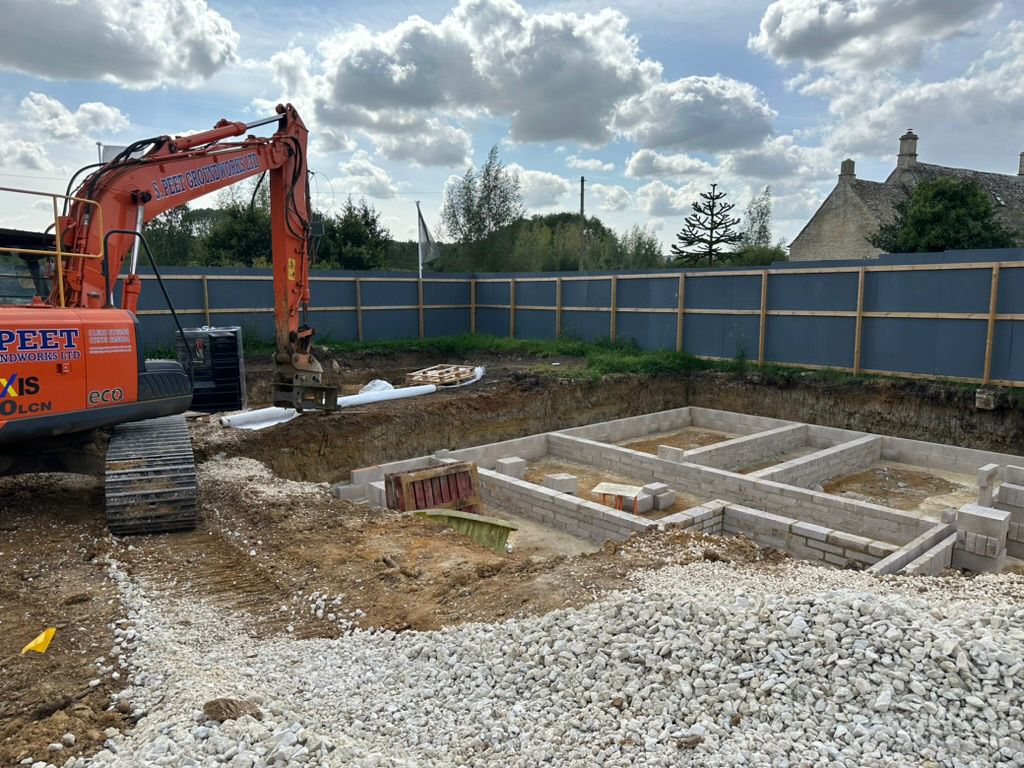
Residential foundation services cover a wide range of projects, from single storey extensions to full property builds. Ground conditions vary significantly across Oxford and surrounding areas, so each installation is assessed individually before work begins.
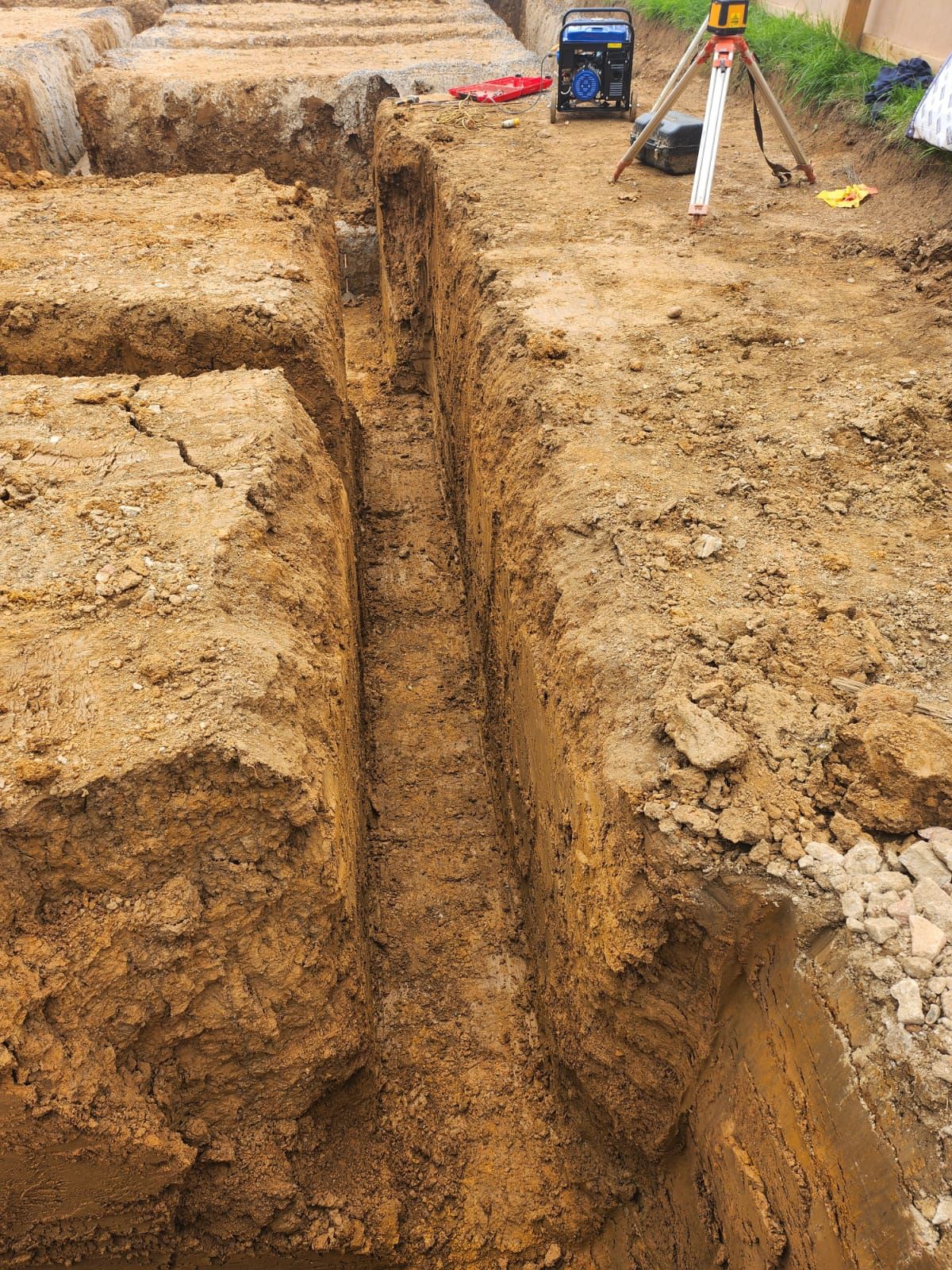
Single storey extensions typically require strip foundations or trench fill systems, depending on load and existing structure. Double storey extensions demand deeper analysis of foundation installation requirements to ensure the added weight is properly supported.
Garden rooms, garden offices, and outbuildings also rely on correctly formed foundation services to prevent movement over time. Even smaller structures such as garage bases require accurate setting out and depth control to ensure stability.
Foundation works in residential settings often involve working around existing services, access limitations, and neighbouring structures, all of which influence the approach taken on site.
Commercial and Industrial Foundation Works
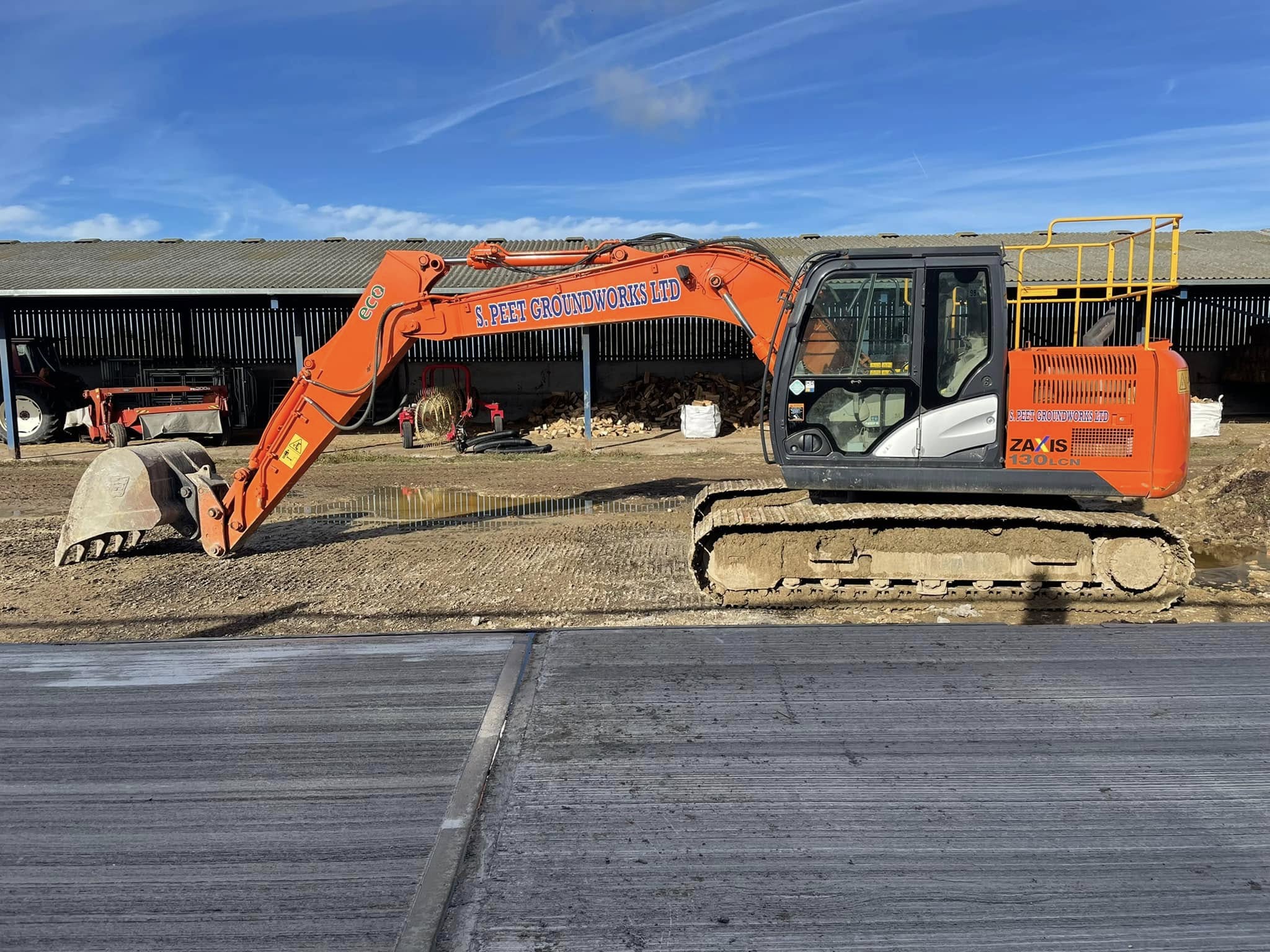
Larger-scale developments require more complex foundation systems designed to handle higher structural loads and long-term use. Commercial foundation services often include reinforced concrete slabs, deep strip systems, and engineered bases for structural frameworks.
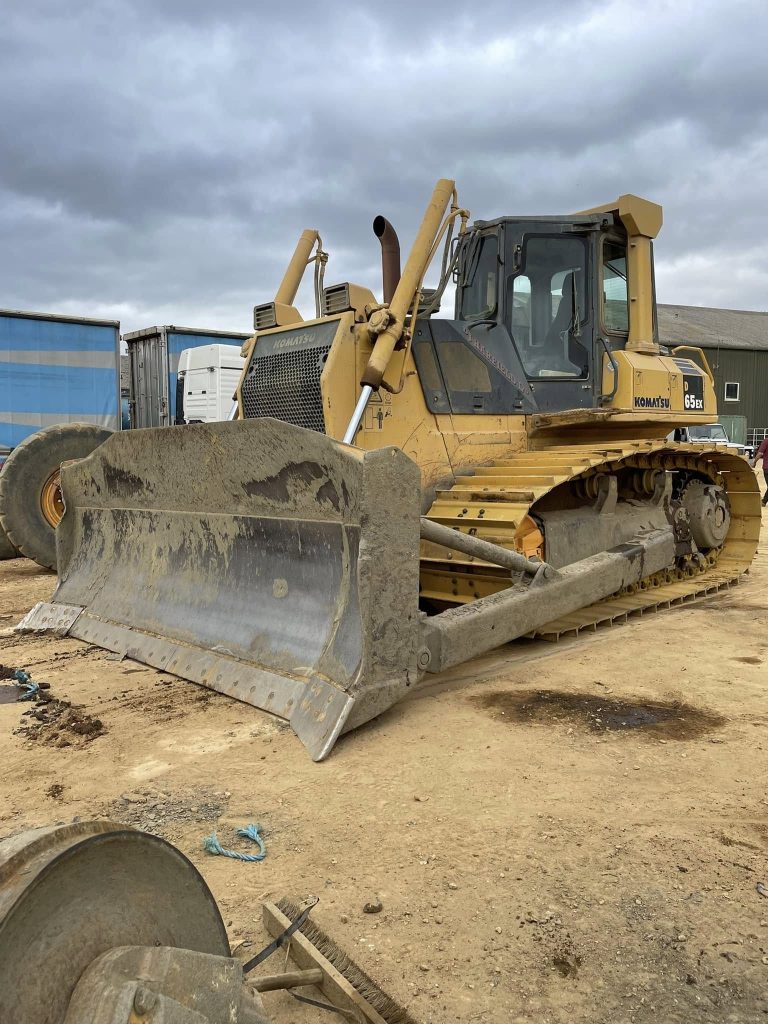
Industrial projects may involve extensive ground preparation before foundation installation begins, particularly where heavy plant or machinery is expected. In these cases, ground conditions are assessed carefully to determine the most suitable approach.
Reinforced concrete slabs are commonly used in commercial builds to support warehouses, workshops, and distribution centres. These slabs distribute loads evenly across prepared ground, reducing the risk of settlement or cracking under pressure.
Foundations For External Structures and Specialist Projects
Foundation works are not limited to buildings alone. External structures also require stable bases to ensure long-term performance and safety.
Driveway foundations are prepared to support vehicle load and surface materials, while bases for sheds, garden rooms, and outbuildings require level, compacted ground to prevent movement.
Specialist foundation installation is also carried out for hot tubs, swimming pools, and similar installations where water load and ground pressure must be carefully managed. Each project requires accurate depth, compaction, and levelling to suit the intended structure.
Foundation services in these cases often involve tighter tolerances due to the sensitivity of the structures being supported.
Ground Preparation and Site Conditions
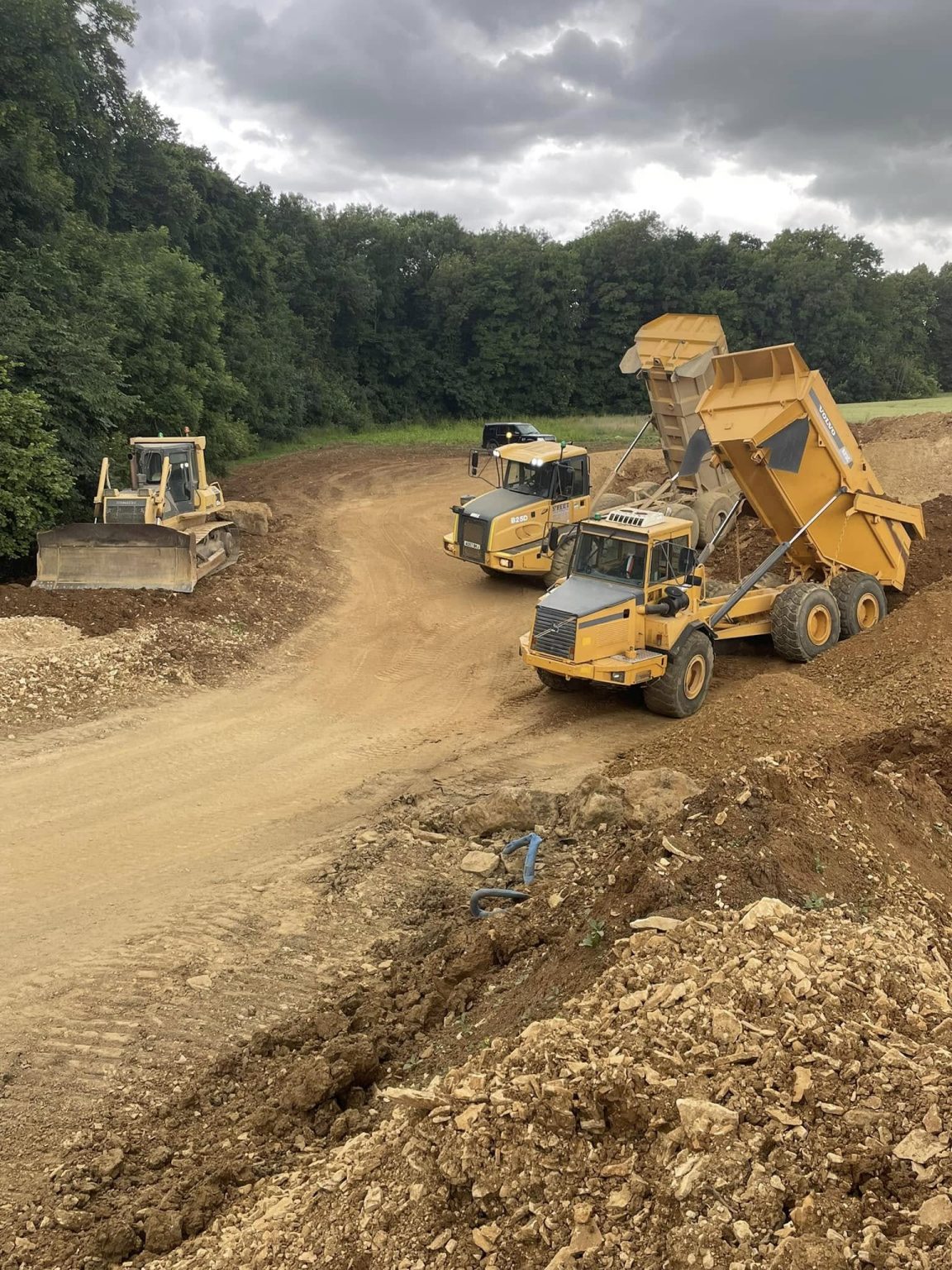
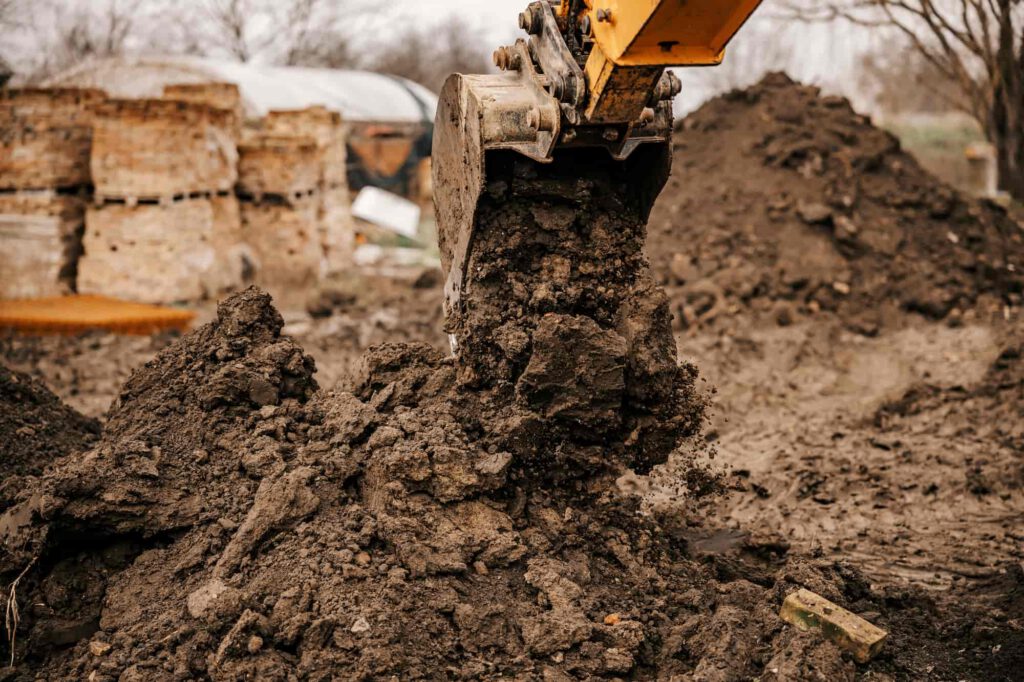
Before foundation works begin, ground conditions must be properly assessed and prepared. This includes excavation, soil removal, and setting out formation levels to ensure the base is suitable for construction.
A groundworker plays a key role in this stage, ensuring excavation aligns with structural drawings and that the formation is suitable for the chosen foundation system. Poor preparation at this stage can lead to long-term movement or structural issues.
Foundation installation relies heavily on consistent ground conditions, which is why careful preparation is essential across all project types, from small domestic builds to large-scale commercial works.
FAQs – Foundations
Common foundation types include strip foundations, trench fill foundations, pad foundations, and raft foundations, each selected based on ground conditions and structural load requirements.
Depth depends on soil type, building size, and design requirements. Structural engineers specify depth to ensure safe load distribution and stability.
Yes, foundation works are commonly carried out for single storey extensions, double storey extensions, garden rooms, and garden offices.
Yes, reinforced concrete slabs are widely used in commercial and industrial foundation services due to their strength and ability to distribute heavy loads.
Get in Touch
If you need an experienced groundworker for reliable foundations in Oxford, Kidlington, Bloxham, Bicester, Witney, Banbury, Carterton, Chipping Norton, Moreton-in-Marsh, Stow-on-the-Wold, Bourton-on-the-Water, or any of the surrounding Cotswolds areas, speak to the team at Sam Peet Groundworks. Call 07973 625864 or 07951 796657 to discuss your requirements.