


Earthmoving in Bloxham
Earthmoving plays a key role in preparing land for construction, helping ensure ground levels, stability, and excavation work are correctly managed before building begins.
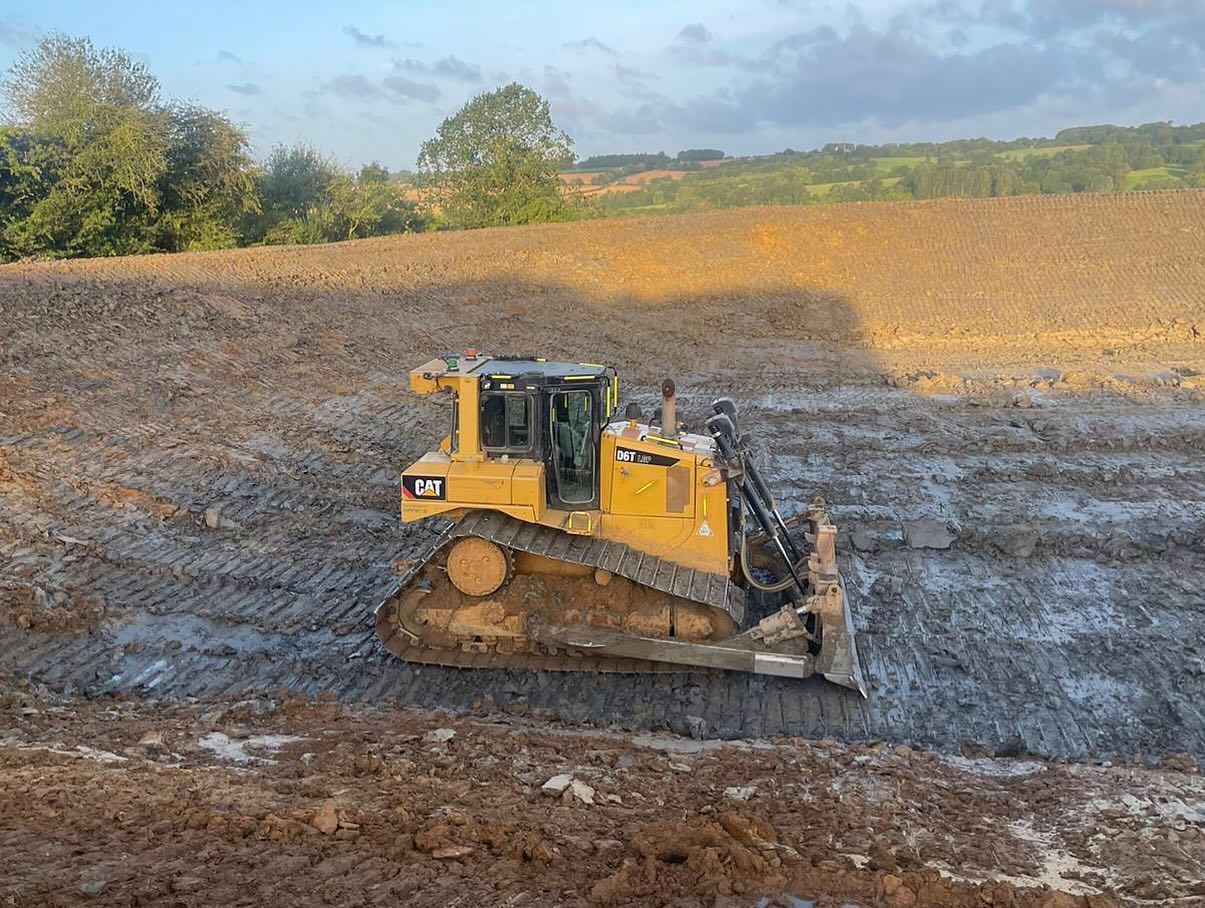
– Sam Peet Groundworks –
When is Earthmoving Needed For New Builds And Extensions?
In many construction projects, earthmoving is required before any foundations, drainage, or structural work can take place. In Bloxham, this often applies to both residential extensions and new-build developments, where ground conditions and site layout determine how the land needs to be shaped. The process is rarely just about moving soil; it involves careful planning, controlled excavation, and coordination with wider groundworks to ensure the site is suitable for construction.
When Earthmoving Becomes Necessary
Earthmoving is typically required when existing ground levels do not match the proposed design of a project. This might involve lowering sections of land for foundations, raising levels to improve drainage, or reshaping areas to accommodate access routes and building footprints.
On residential sites in Bloxham, earthmoving is often used for extensions, garden rooms, and new driveways. On larger plots, it can involve more significant excavation work to prepare land for housing or commercial development.
The decision to carry out earthmoving usually follows site assessment and surveying, which helps identify how much material needs to be moved or regraded.
Preparing Ground for Foundations
One of the main purposes of earthmoving is to create suitable formation levels for foundation installation.
Ground conditions can vary significantly even within a single site. Some areas may require excavation to reach stable bearing ground, while others may need imported material to achieve the correct height or compaction. These adjustments help ensure that foundations perform correctly once construction begins.
A groundworker will typically carry out this stage alongside setting out information, ensuring that excavation aligns with structural drawings and site plans.
Supporting Residential and Commercial Projects
Earthmoving in Bloxham is used across a wide range of projects, from small domestic builds to larger commercial groundworks.
Residential work may include preparing land for single-storey extensions, garages, or self-build homes. Commercial projects often involve more extensive site preparation, where multiple building plots, service routes, and access roads need to be formed.
Although the scale differs, the underlying process remains similar: shaping the ground so that construction can proceed safely and efficiently.
Drainage and Site Levels
Earthmoving is closely linked to drainage design, as ground levels influence how water moves across a site.
Correct grading helps direct surface water away from buildings and prevents pooling in areas that could affect construction or long-term performance. In some cases, earthmoving is used specifically to improve drainage conditions before foundations or external works are installed.
This stage is often coordinated with wider site preparation works to ensure levels, excavation, and drainage systems all work together.
Managing Material On Site
During earthmoving, material may be reused, redistributed, or removed depending on its condition and suitability.
Topsoil is often stripped and stored for later use in landscaping, while subsoil may be moved to adjust levels elsewhere on site. Where material cannot be reused, it is removed using appropriate machinery such as grab lorries or dumpers.
Efficient material handling helps keep the site organised and reduces unnecessary disruption during construction.
Why Timing Matters
Earthmoving is most effective when it is carried out at the right stage of a project. If completed too early without proper planning, ground conditions may change before construction begins. If delayed, it can hold up foundations, drainage, and other critical stages of work.
Careful coordination ensures earthmoving fits into the wider construction programme without causing delays or rework.
Get in Touch
If you’re planning a project requiring earthmoving in Bloxham, Sam Peet Groundworks provides support with foundations, commercial groundworks, and full site preparation from an experienced ground worker. Contact our team today on 07973 625864 or 07951 796657.