


Commercial Groundworks in Bourton-on-the-Water
Commercial developments rely on carefully coordinated groundwork, ensuring every stage below ground is completed before buildings, roads, and infrastructure begin to take shape.
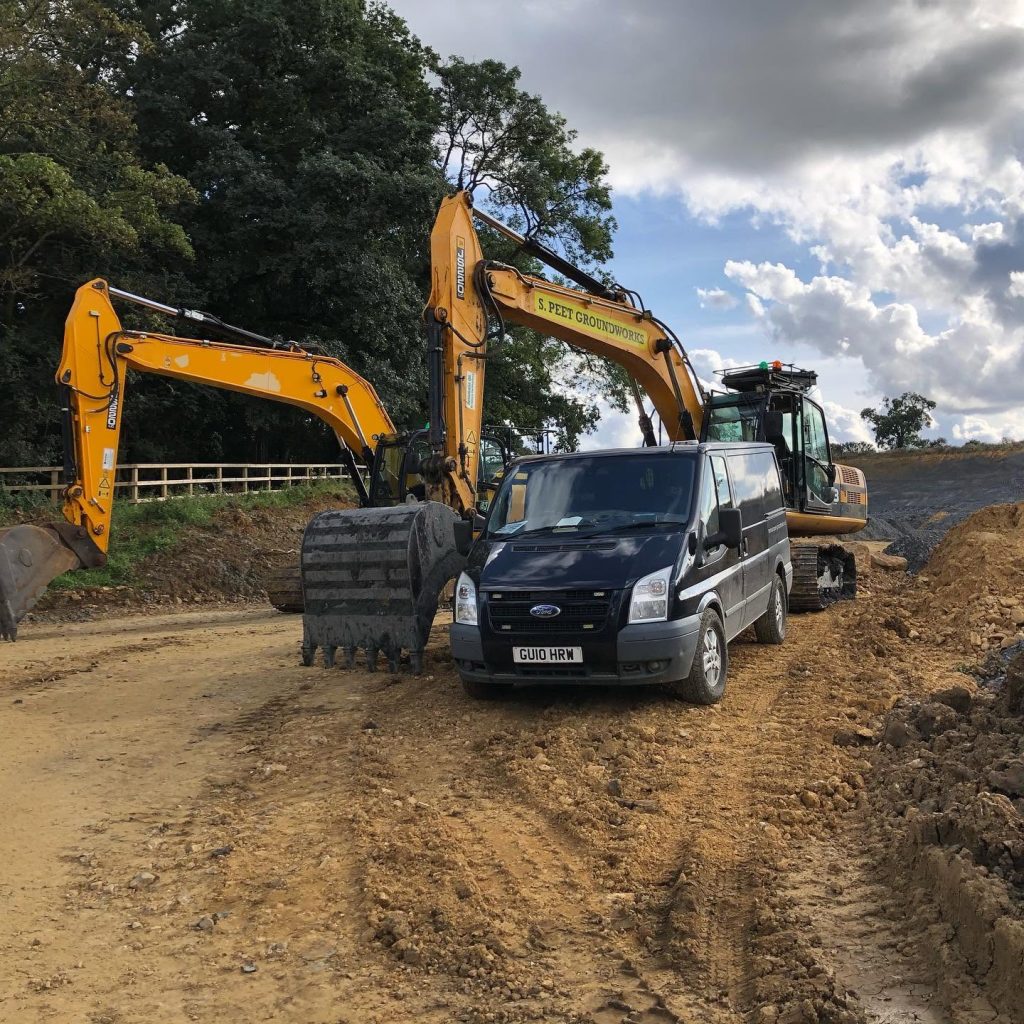
– Sam Peet Groundworks –
What Exactly Do Commercial Groundworks Companies Do?
Commercial construction sites are often busy environments, with several trades working to carefully planned programmes. Before visible structures begin to appear, a significant amount of work takes place below ground to prepare the site for development. Commercial groundworks bring together excavation, earthmoving, drainage, foundations, and site preparation, creating the conditions needed for construction to progress safely and efficiently. Understanding these activities provides a clearer picture of everything happening during the earliest stages of a commercial project in Bourton-on-the-Water.
The First Stage Is Usually Preparing the Site
Before construction gains momentum, the site must first be made suitable for development. Existing vegetation, old structures, hardstanding, and unsuitable material are removed to create safe working areas and establish clear access across the site.
Survey information is used to set out buildings, roads, and service routes before excavation begins. This early planning helps ensure every stage of the project follows the approved design while allowing contractors to work efficiently alongside one another.
Although this work often receives little attention once construction begins, it creates the platform for everything that follows.
Earthmoving Shapes the Development
Once the site has been cleared, earthmoving begins to establish the required ground levels across the development.
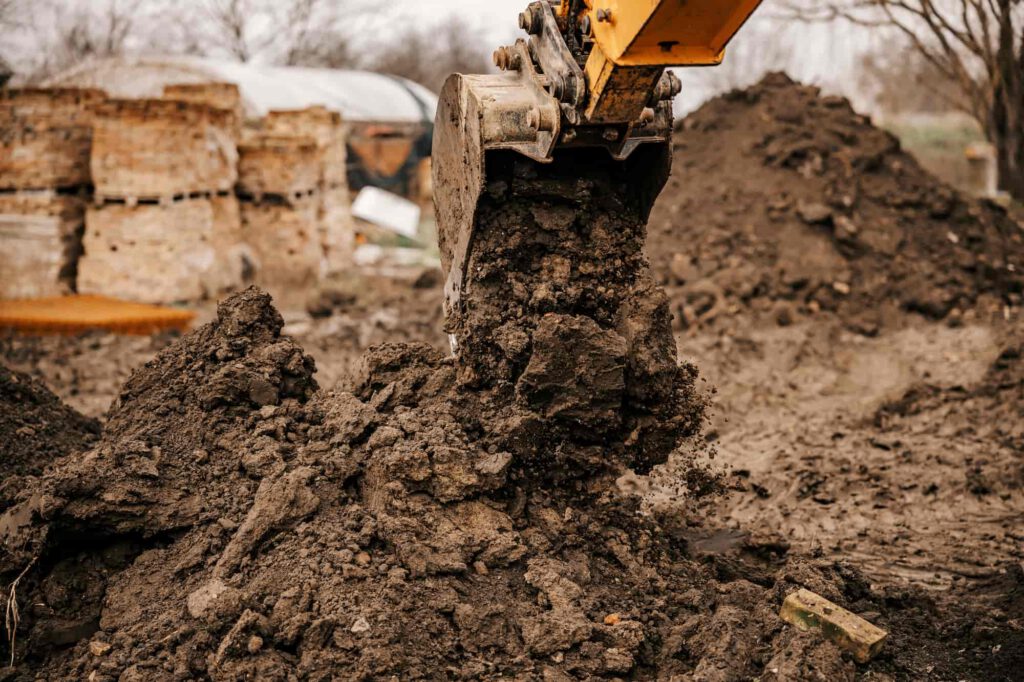
Material may be excavated, redistributed, or removed depending on the design of the site. On larger commercial groundworks projects, achieving the correct formation levels is essential for roads, building plots, drainage systems, and external areas.
Rather than simply removing soil, earthmoving focuses on shaping the land so that future construction can progress safely while supporting the long-term performance of the completed development.
Foundations Follow Careful Ground Preparation
With the site prepared, attention turns towards the installation of foundations.
Excavation is carried out in accordance with structural drawings, ensuring the depth, width, and position of every foundation meets engineering requirements. Ground conditions identified during earlier earthmoving operations often influence how this stage progresses, particularly where changes in soil conditions become apparent.
Commercial developments frequently include reinforced concrete slabs, strip foundations, retaining structures, and service corridors, all of which require careful coordination before concrete is placed.
Drainage and Underground Infrastructure
Much of the infrastructure on a commercial site remains hidden once construction is complete.
Drainage systems, sewer connections, utility trenches, electrical ducts, and water supplies are installed before buildings restrict access across the site. Careful sequencing allows these services to be positioned efficiently while reducing the need for future excavation.
Installing below-ground infrastructure at the right stage also helps different contractors work together without unnecessary delays as the development progresses.
Keeping Materials and Machinery Moving
Commercial sites depend on good organisation as much as technical expertise.
Excavators, dumpers, grab lorries, compactors, and delivery vehicles all play a role in moving materials safely around the site. Excavated soil may be reused where suitable, while surplus material is removed to keep working areas organised and accessible.
Maintaining clear access routes and coordinating machinery allows different phases of commercial groundworks to progress without disrupting other parts of the development.
Every Commercial Site Presents Different Challenges
Although the overall sequence remains broadly similar, no two commercial developments are identical.
Brownfield sites may require additional demolition before work begins, while greenfield developments often present different drainage or ground-level considerations. Existing underground services, neighbouring buildings, environmental requirements, and changing ground conditions can all influence how commercial groundworks are planned.
Responding to these challenges early helps projects remain on programme while reducing the likelihood of costly changes later.
Building the Platform for Construction
Most of the work completed during commercial groundworks will never be visible once the development has finished. Even so, every road, building, drainage system, and service connection depends on these early stages being completed accurately.
Preparing the site properly allows construction to move forward with confidence, creating stable ground conditions that support the development throughout its lifespan.
Get in Touch
For those requiring commercial groundworks services in Bourton-on-the-Water or the surrounding area, Sam Peet Groundworks provides support with earthmoving, foundations, and every stage of below-ground construction. Speak with the team today on 07973 625864 or 07951 796657.