


Drainage in Carterton
Well-planned drainage protects buildings, infrastructure, and surrounding land by directing water safely away from development and helping maintain stable ground throughout the life of a project.
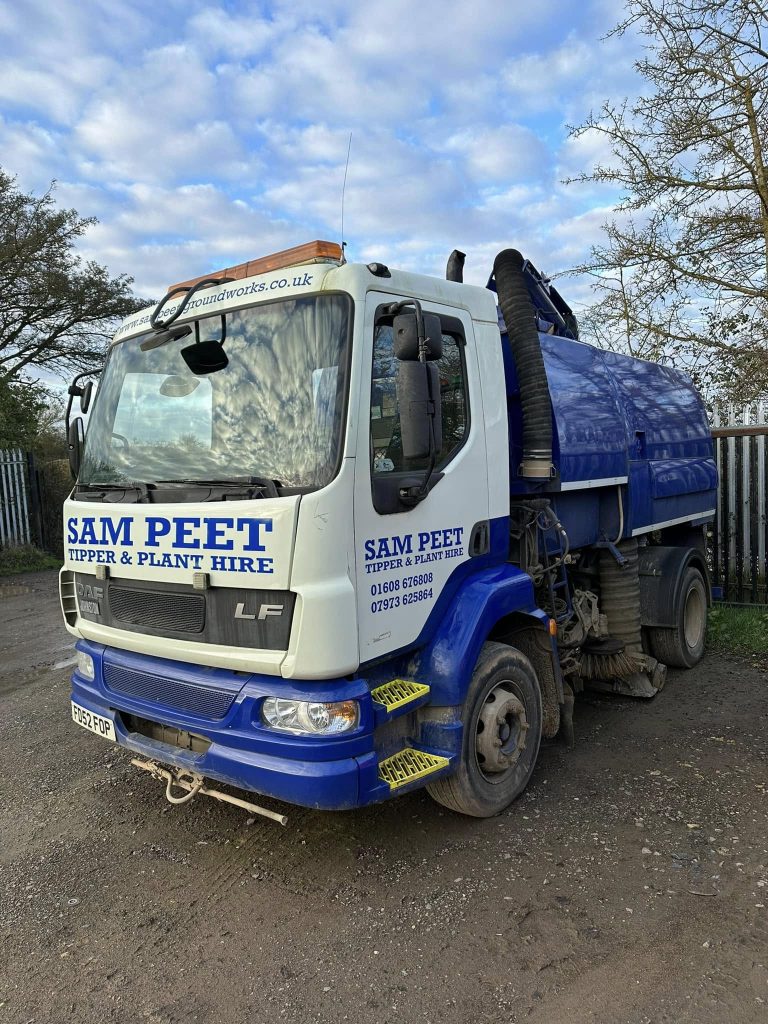
– Sam Peet Groundworks –
Why Proper Drainage Matters For Residential And Commercial Sites
Water is one of the biggest factors affecting the success of any construction project. Without effective drainage, even well-built developments can experience standing water, erosion, or unnecessary pressure on foundations over time. Whether the project involves a new home, an agricultural conversion, or a commercial development, installing the right drainage system from the outset helps support both the construction process and the completed site. Understanding why drainage matters allows property owners in Carterton to make informed decisions before work begins.
Every Development Needs a Drainage Strategy
Drainage is far more than simply installing underground pipes. A well-designed system considers how surface water and wastewater will move across the site while protecting buildings and surrounding land.
During the planning stage, contractors assess existing ground levels, natural water flow, and proposed building layouts to determine the most effective drainage routes. This helps prevent future issues while ensuring the system integrates with the wider development.
Considering drainage at an early stage also reduces the need for alterations once construction is underway.
Trenching Forms the Backbone of Installation
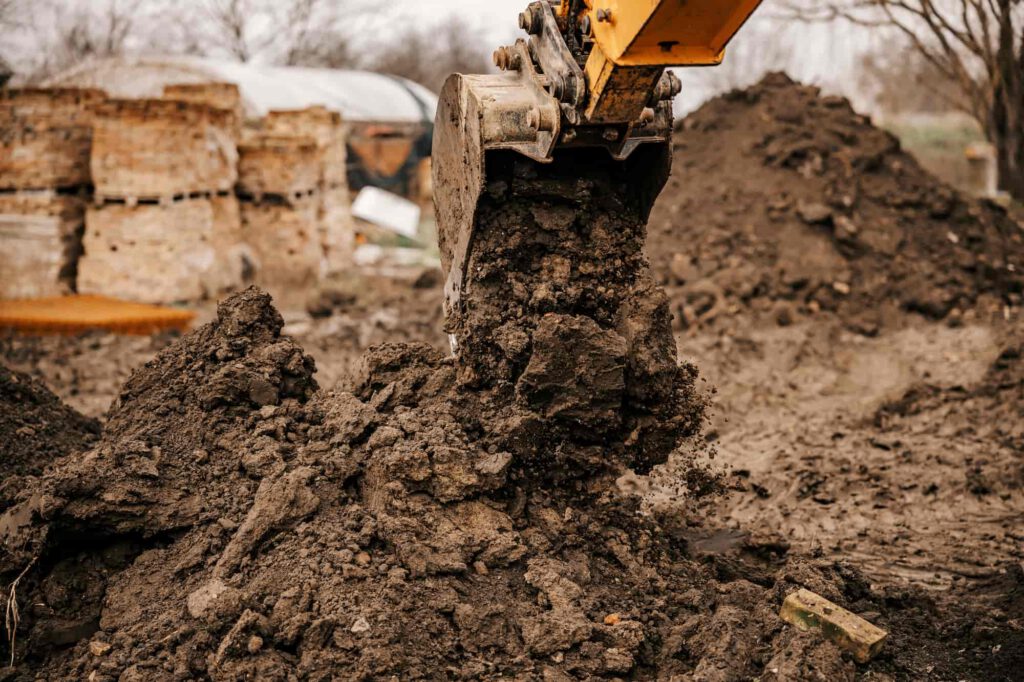
Most drainage systems begin with carefully excavated trenches.
These excavations provide space for foul water pipes, surface water drainage, utility services, and associated infrastructure. The depth and alignment of each trench must be accurately controlled to ensure water flows efficiently through the completed system.
Alongside drainage, the same excavation work often accommodates water supplies, electrical cables, and other underground utilities, making careful planning essential before installation begins.
Residential and Commercial Projects Have Different Requirements
Although the purpose of drainage remains consistent, the scale and complexity vary considerably between developments.
Residential projects often include drainage for new-build homes, extensions, driveways, or the conversion of agricultural buildings into domestic properties. Commercial developments may require larger drainage networks capable of serving warehouses, industrial units, offices, or mixed-use sites.
Each project is designed around the expected demand, the available infrastructure, and the conditions found beneath the ground.
Managing Surface Water Effectively
Surface water should always be directed away from buildings and areas of regular use.
Poorly managed runoff can lead to standing water, saturated ground, and gradual erosion, all of which may affect access or place additional pressure on surrounding structures. During site preparation, finished levels are carefully planned so that water naturally drains towards the appropriate collection points.
This stage often works alongside wider site preparation activities, ensuring drainage and ground levels complement one another.
Drainage Supports Future Construction
Drainage is usually installed before large sections of above-ground construction begin.
Completing this work early provides unrestricted access for excavation while allowing foundations, service routes, and external works to be coordinated more efficiently. It also reduces the likelihood of reopening completed areas later in the project.
On larger developments, drainage installation often progresses alongside other civil engineering works, helping maintain the overall construction programme.
Good Planning Helps Prevent Costly Problems
Many drainage issues become apparent only after a development has been completed. Incorrect pipe gradients, insufficient capacity, or poorly positioned inspection chambers can all create avoidable maintenance problems in the future.
Taking time to assess the site properly, coordinate underground services, and install drainage accurately helps reduce the likelihood of remedial work once the property is occupied.
Early planning remains one of the most effective ways of protecting both the development and the investment behind it.
Looking Beyond the Pipes
Although drainage is hidden beneath the finished surface, its role extends well beyond carrying water away.
A properly designed system contributes to stable ground conditions, supports foundations, protects surrounding infrastructure, and allows developments to perform as intended throughout their lifespan. It is one of the few elements of construction that quietly continues working every day long after the project has been completed.
Get in Touch
Sam Peet Groundworks undertakes site preparation, including installing drainage systems for residential and commercial developments across Carterton and beyond. Speak with the team on 07973 625864 or 07951 796657.