


Earthmoving in Kidlington
Every successful development starts with the ground beneath it. Earthmoving prepares sites for construction by creating safe, stable conditions before foundations, drainage, and infrastructure are installed.
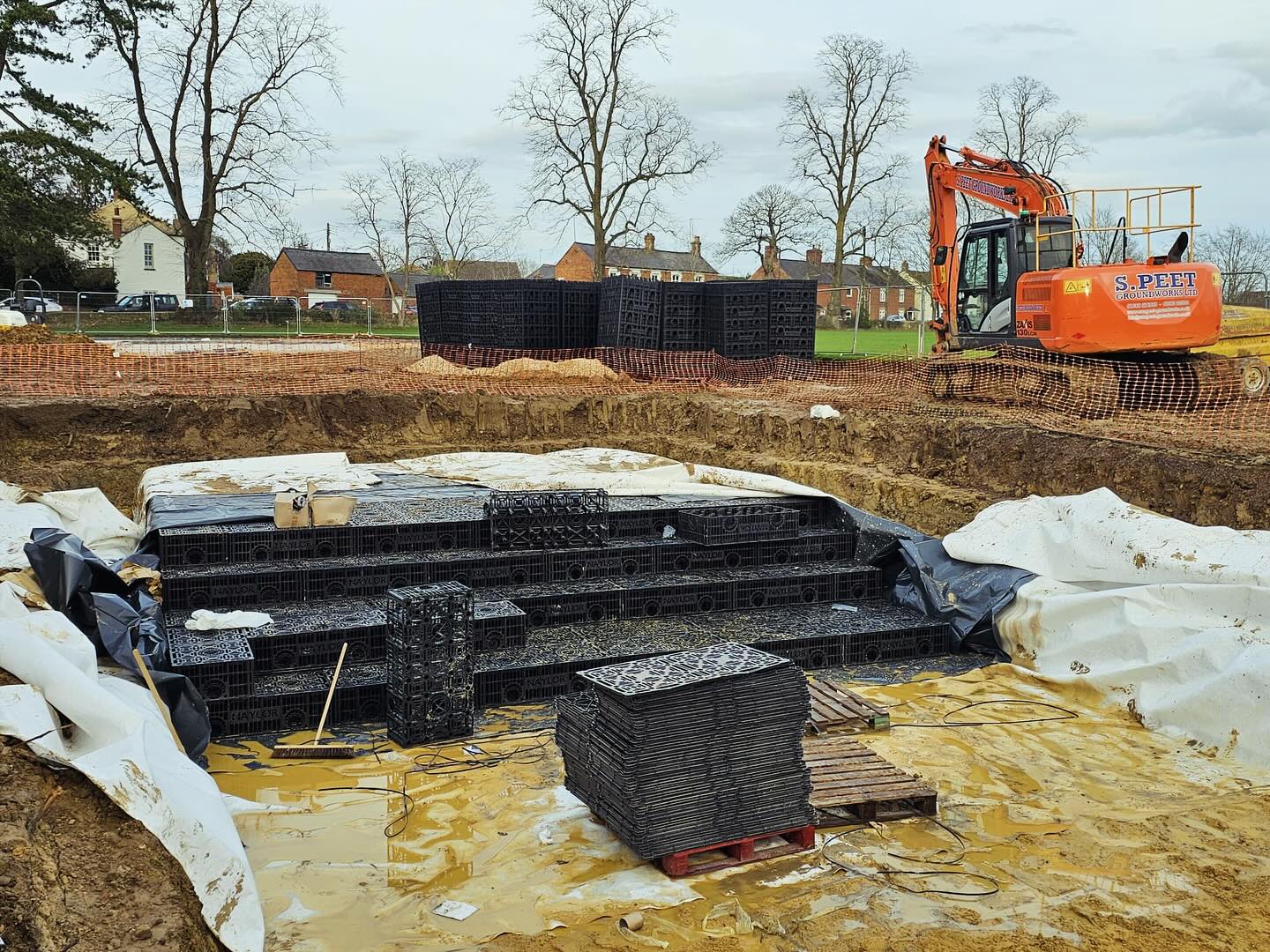
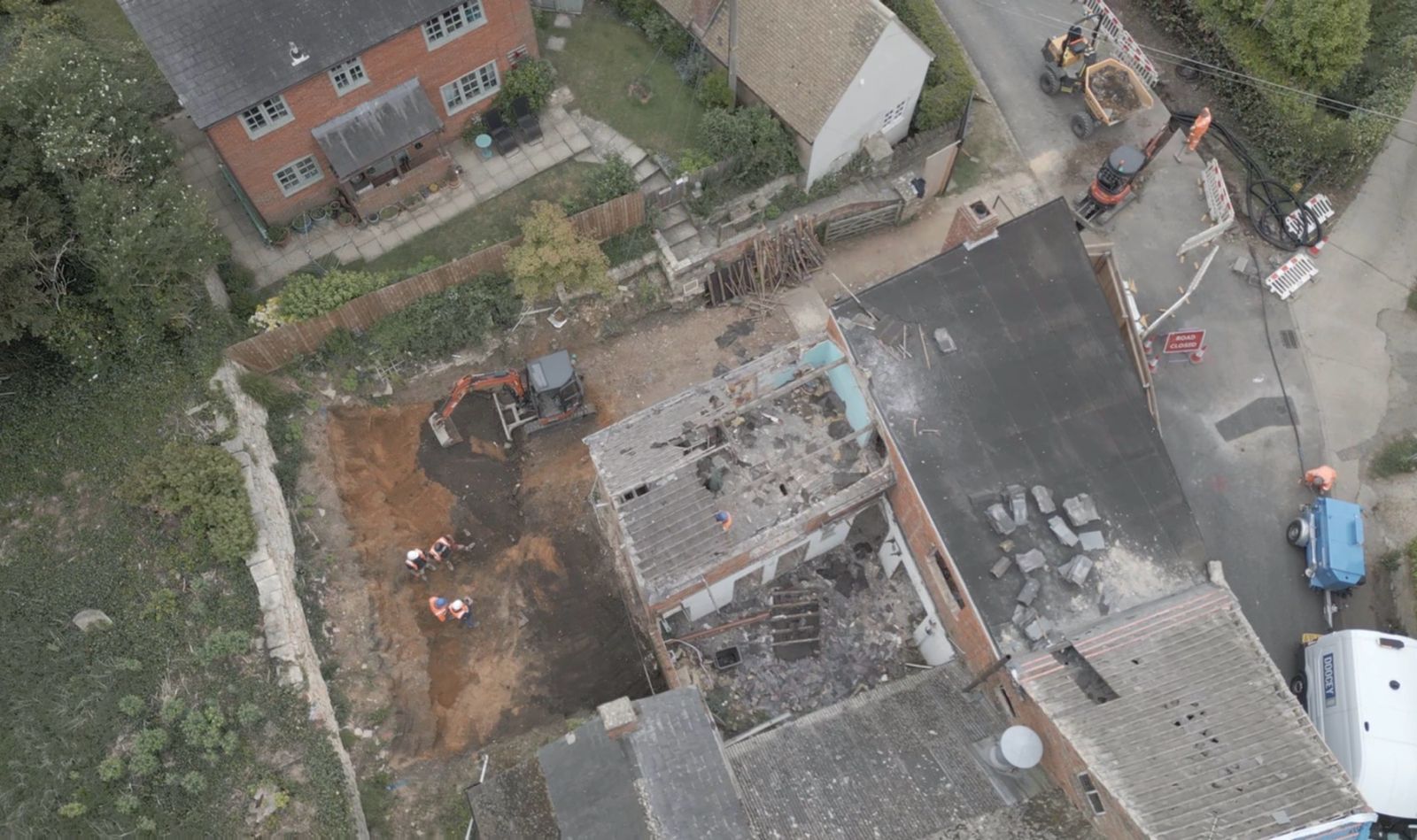
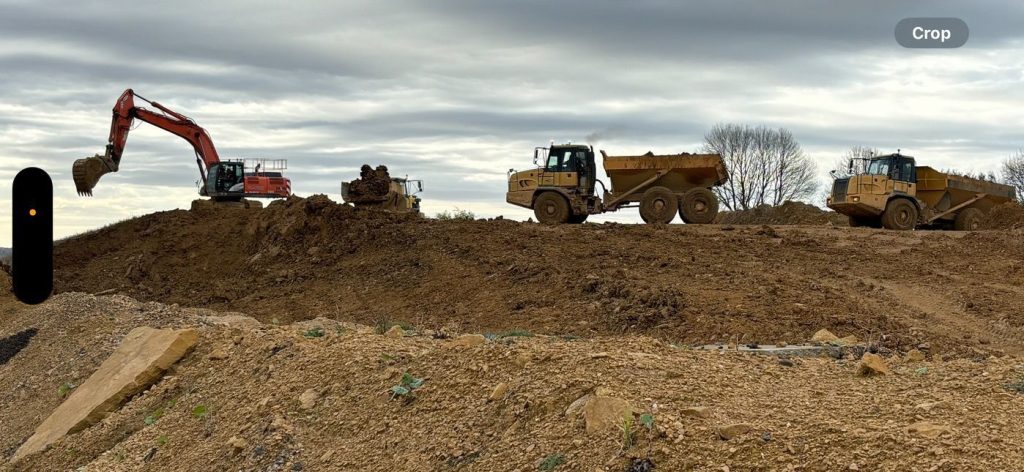
– Sam Peet Groundworks –
How Earthmoving Supports Housing And Commercial Developments
As housing developments expand and commercial sites continue to evolve, earthmoving remains one of the first and most important stages of construction. It involves much more than excavation, helping shape the land, manage materials, and prepare sites for everything that follows. Here are some of the key ways earthmoving supports residential and commercial projects throughout Kidlington.
Creating a Build-Ready Site
Construction can’t begin until the land is suitable for development.
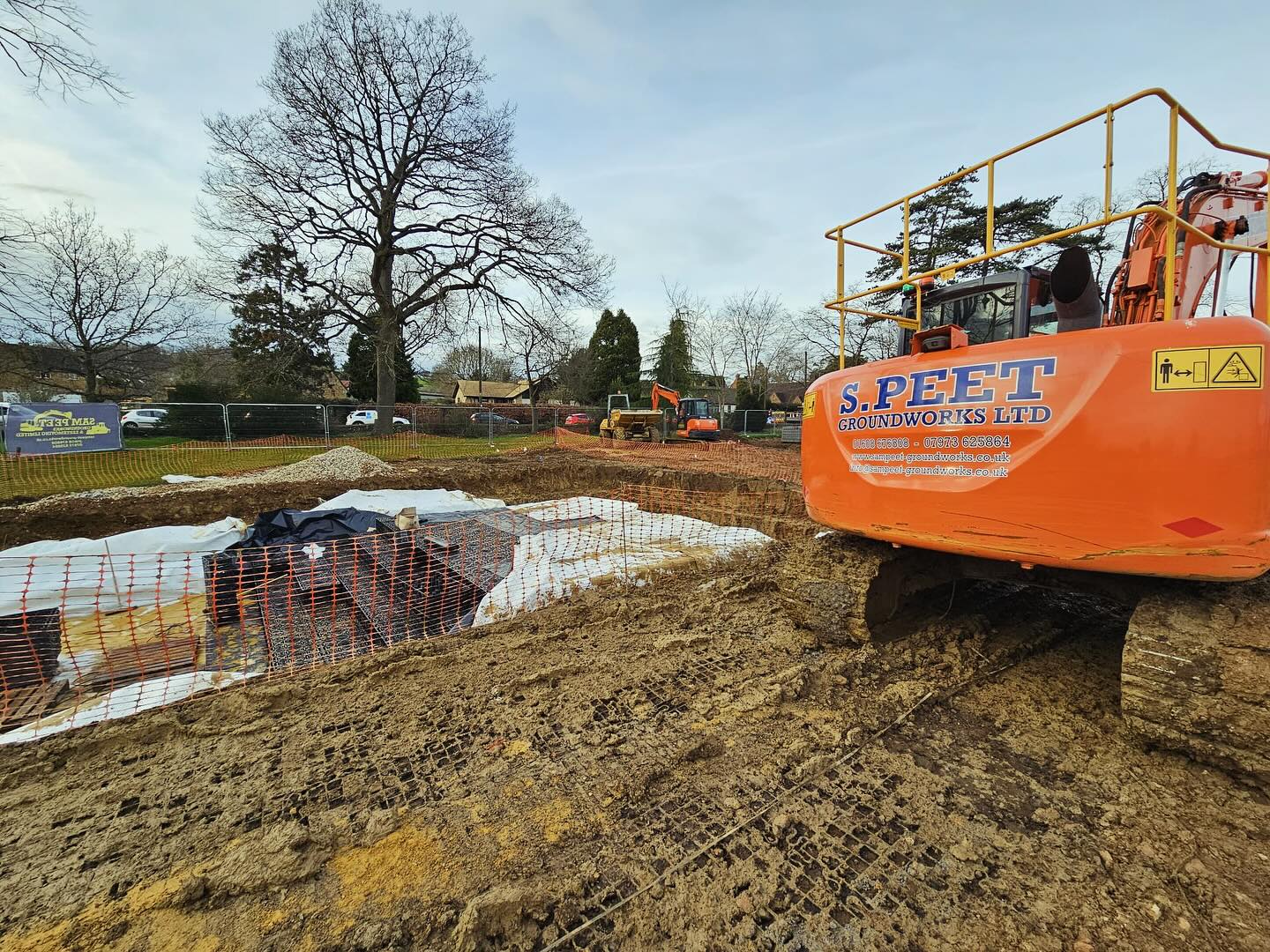
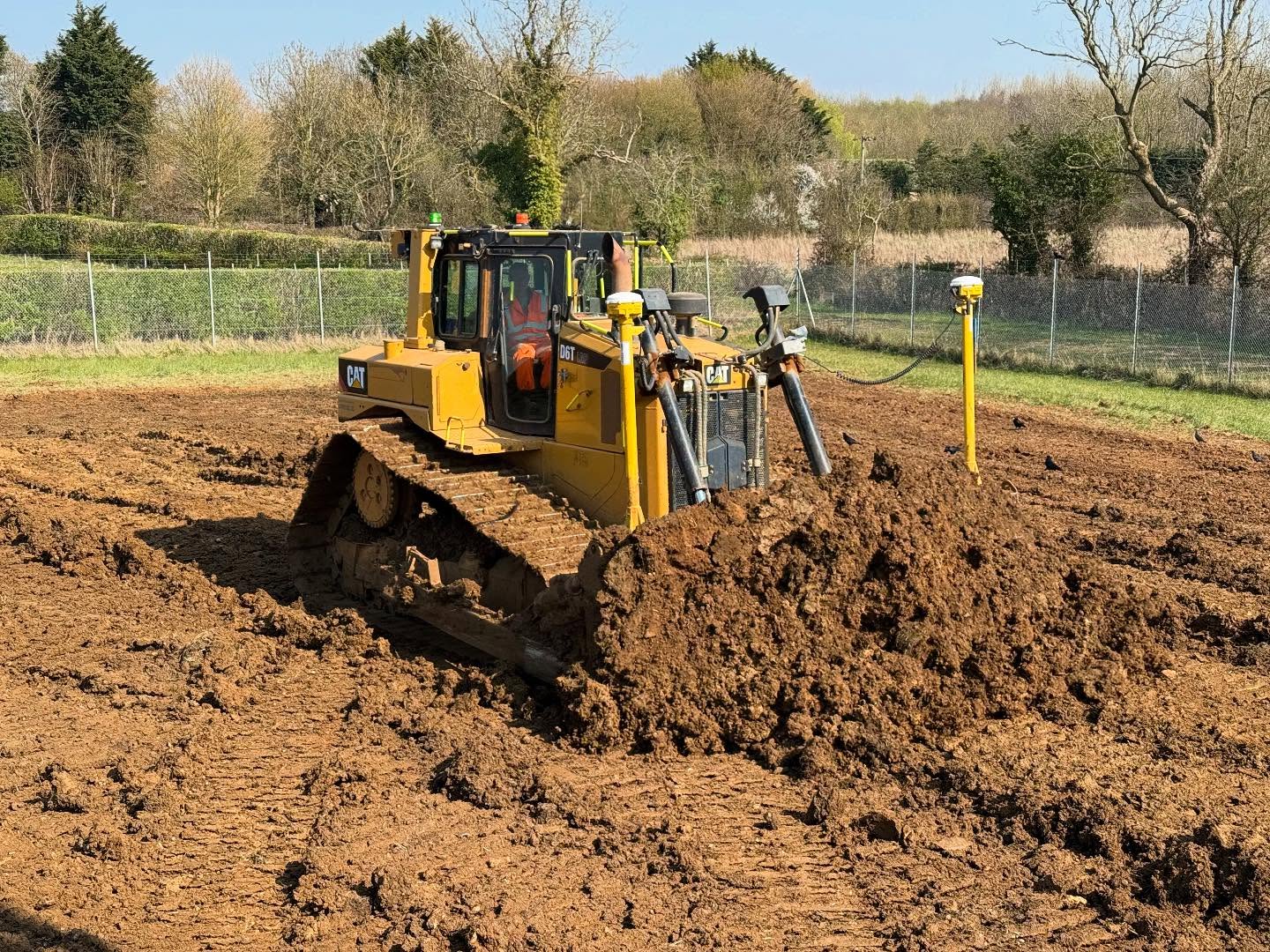
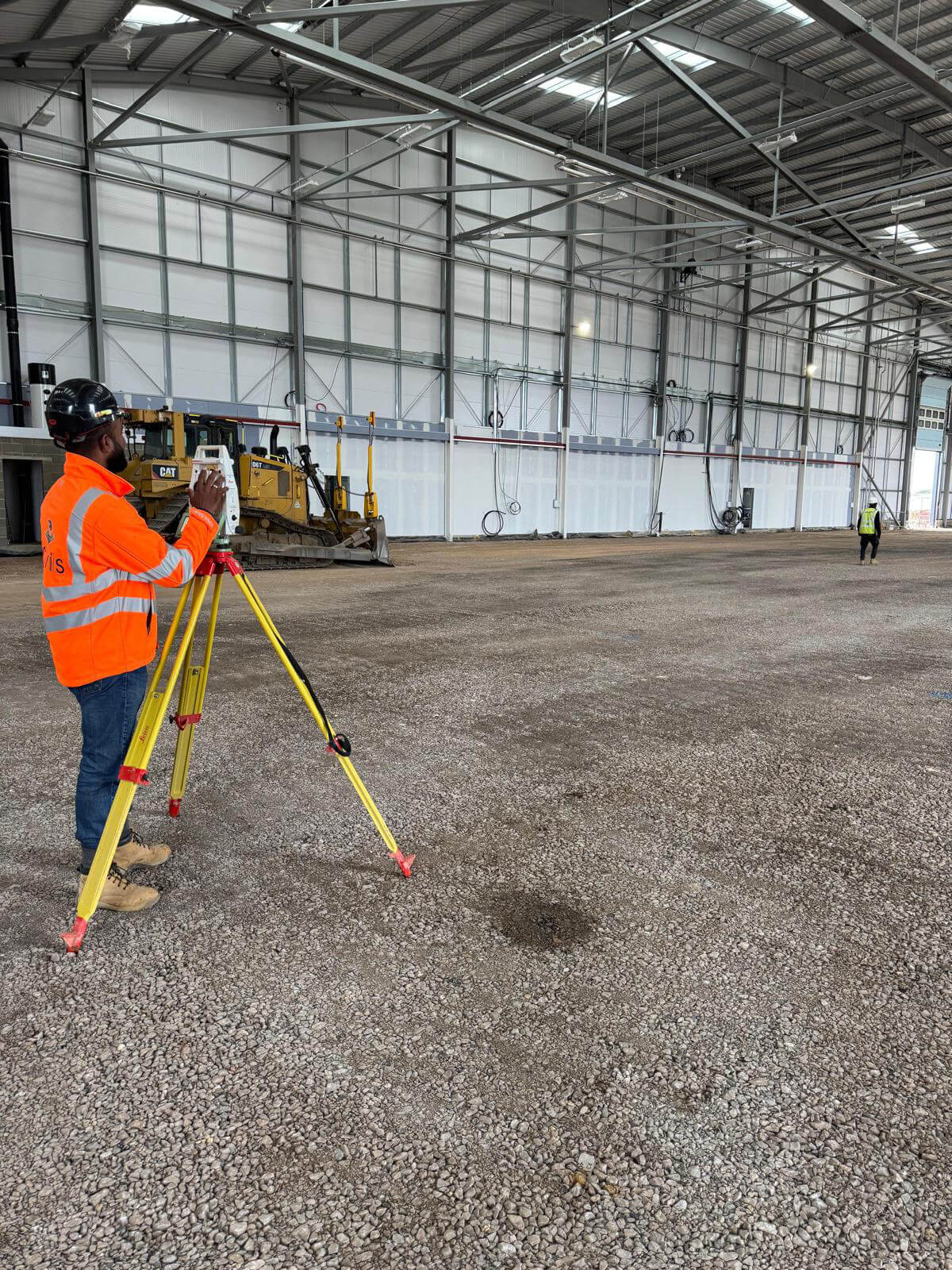
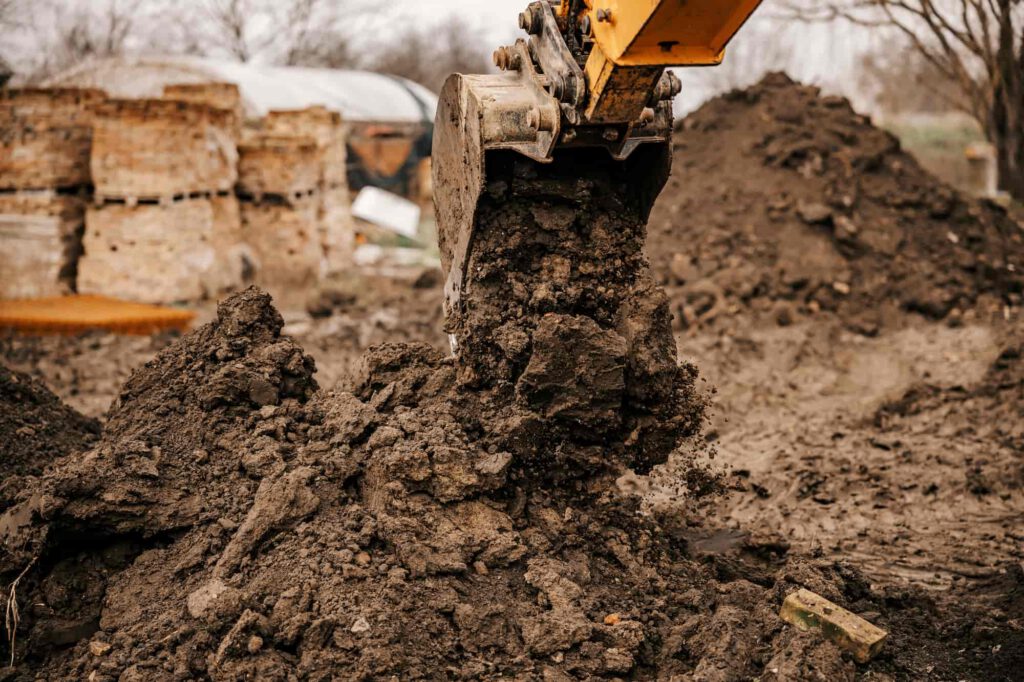
Earthmoving removes unsuitable material, establishes safe working areas, and creates the formation levels required for future construction. This often includes stripping topsoil, clearing obstructions, and reshaping uneven ground so the site matches the approved design.
Completing these tasks early gives every contractor working on the project a reliable starting point.
Preparing Land for New Housing
New housing developments rely on carefully planned groundworks before any homes begin to appear.
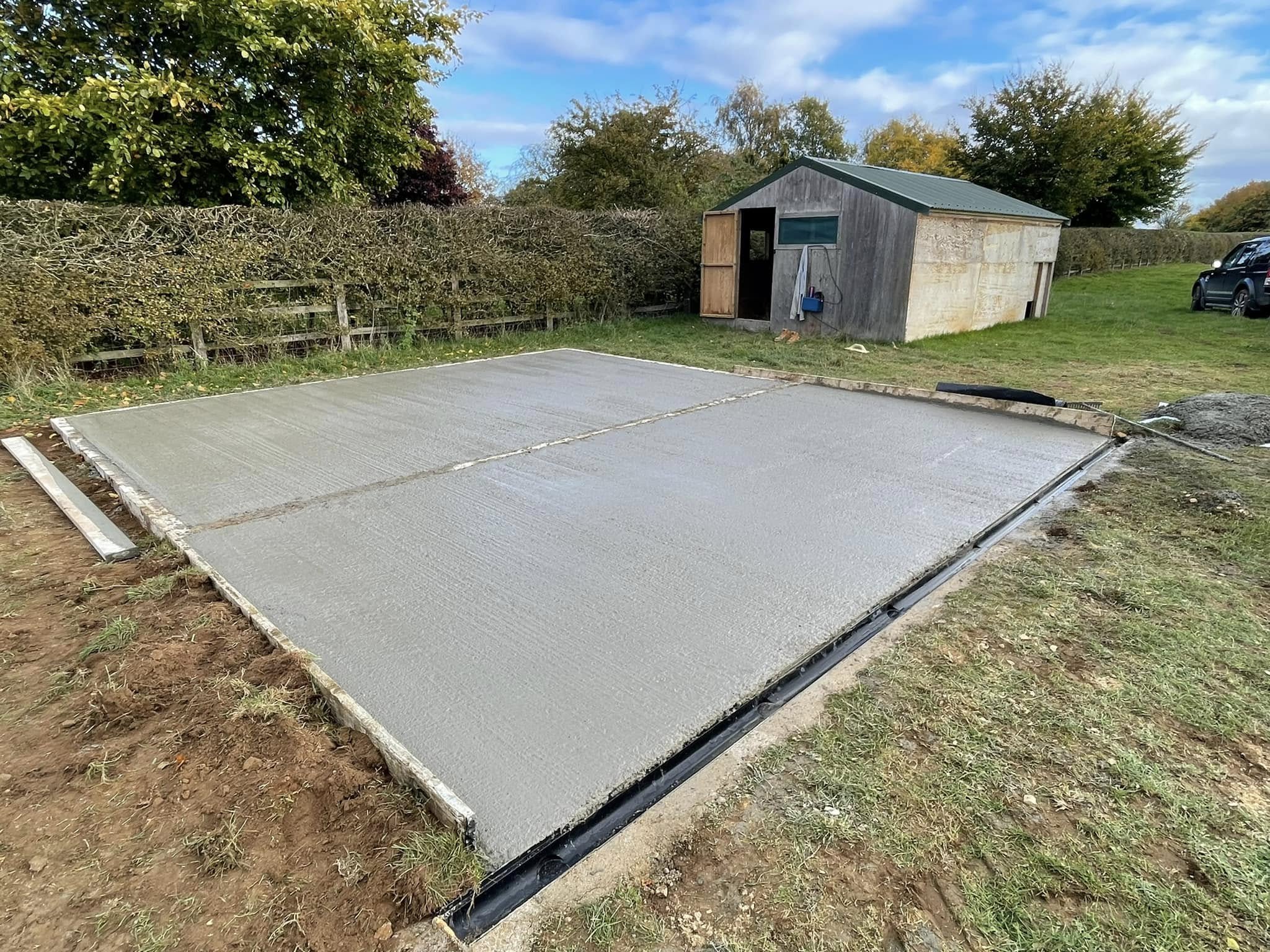
Earthmoving helps create level building plots, prepares access roads, and supports the installation of drainage and underground utilities. Even smaller residential projects, such as self-build homes or extensions, often require excavation to establish suitable ground conditions before foundations can be installed.
Without this preparation, later stages of construction become far more difficult to manage.
Supporting Commercial Construction
Commercial developments often involve larger areas of excavation and more complex site layouts.
Business parks, industrial buildings, retail premises, and mixed-use developments all depend on earthmoving to create stable ground for buildings, parking areas, service routes, and external infrastructure.
Commercial projects also require careful coordination between earthmoving, site preparation, and drainage so that multiple activities can progress efficiently across the site.
Improving Drainage Across the Development
Earthmoving plays an important role in controlling how water moves around a site.
By adjusting levels and creating suitable gradients, contractors can encourage surface water to flow towards planned drainage systems rather than collecting around buildings or access routes.
This work is often carried out alongside wider site preparation, ensuring drainage infrastructure performs effectively once construction has been completed.
Making Space for Underground Services
Modern developments require extensive infrastructure below ground.
Excavation allows trenches to be formed for water supplies, electricity, telecommunications, foul drainage, and surface water systems before permanent structures restrict access.
Installing these services during the earthmoving phase helps reduce disruption while allowing different contractors to work in a logical sequence.
Managing Materials Efficiently
Not every load of excavated soil leaves the site.
Suitable material is often reused to build up levels elsewhere, reducing waste while helping shape the finished development. Unsuitable spoil is removed using appropriate plant and transport, keeping working areas organised and safe.
Efficient material management also helps reduce unnecessary vehicle movements throughout the project.
Helping Projects Stay on Programme
One of the biggest advantages of well-planned earthmoving is the effect it has on the rest of the construction programme.
When excavation, grading, drainage, and site preparation are completed in the correct order, foundations and structural works can begin with fewer interruptions. Good planning during these early stages often prevents delays that would otherwise affect every trade working on the development.
Earthmoving Supports Every Stage That Follows
Although much of the work is hidden once construction is complete, earthmoving has a lasting influence on the finished development. Stable ground, accurate levels, and carefully planned excavation all contribute to buildings that perform as intended for years to come.
Get in Touch
If you’re considering a residential or commercial development requiring earthmoving in Kidlington or in any of the surrounding towns and villages, speaking with an experienced groundworker early in the planning process can help identify the work your site is likely to need. Sam Peet Groundworks undertakes site preparation, drainage installation, and a range of earthmoving projects. Call 07973 625864 or 07951 796657 today.