


Site Preparation in Moreton-in-Marsh
Careful site preparation creates the conditions for successful construction, helping developments progress with accurate planning, stable ground, and the infrastructure needed before building work gets underway.
– Sam Peet Groundworks –
The Key Stages of Site Preparation in Construction Projects
Construction rarely begins with foundations or brickwork. Before any structure can be built, the site must be assessed, prepared, and organised to support the work ahead. Site preparation brings together a series of essential tasks that help reduce delays, improve safety, and create suitable ground conditions for residential and commercial developments. Understanding these stages gives property owners and developers a clearer picture of what happens before construction properly begins in Moreton-in-Marsh.
Every Project Starts With Understanding the Site
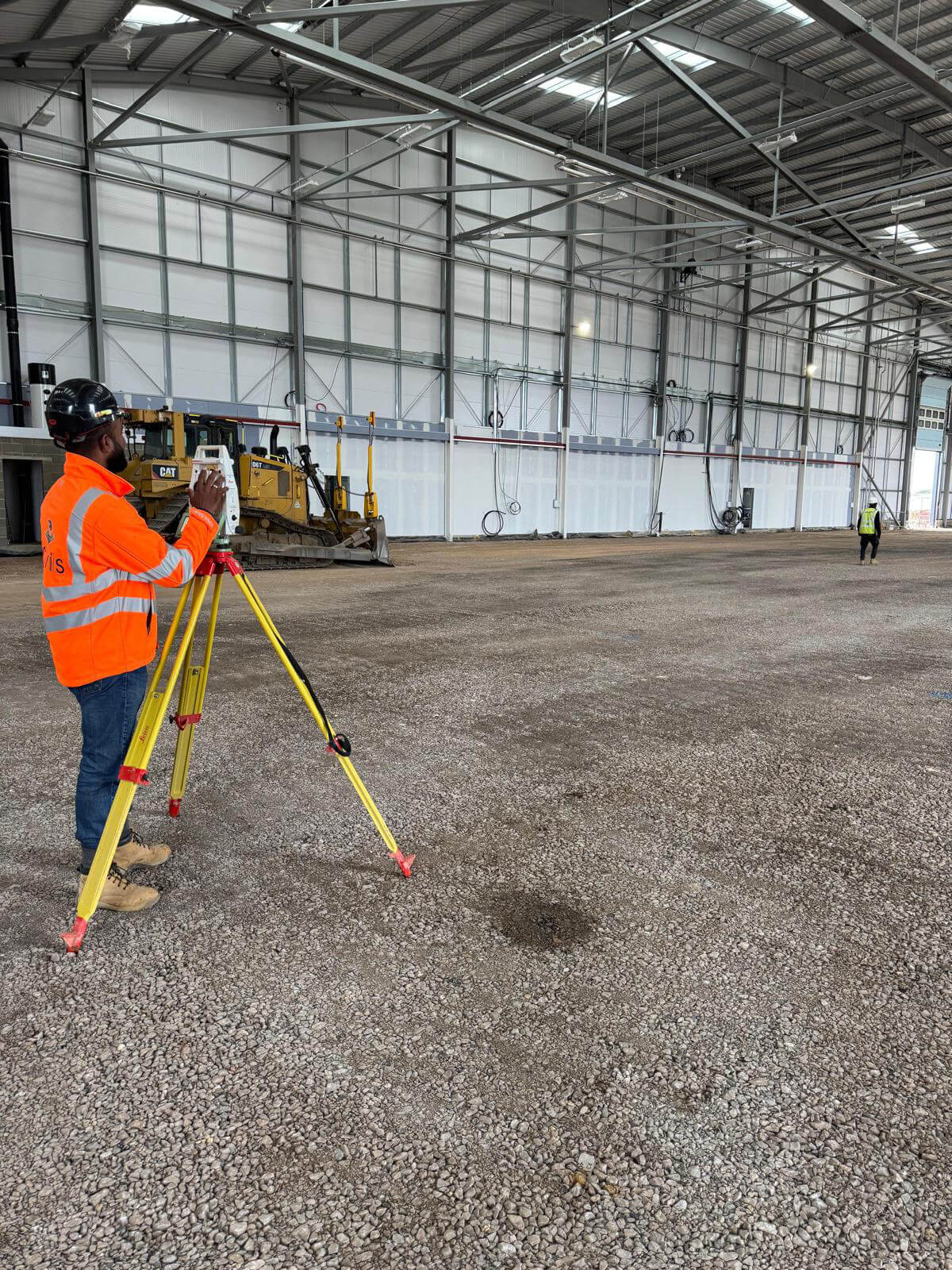
Before machinery arrives, the site needs to be properly assessed. Surveying establishes property boundaries, existing ground levels, access points, and any physical features that could influence construction.
These early investigations also help identify potential challenges, including changes in elevation, mature trees, underground services, or existing structures that may need to be removed. Good planning at this stage allows site preparation to progress in a logical order rather than reacting to problems once work has started.
Accurate information collected during surveying forms the basis for excavation, drainage, and foundation layouts later in the project.
Site Clearance Creates Space to Build
Once planning has been completed, attention turns to preparing the land itself. Site clearance usually involves removing vegetation, roots, old fencing, hardstanding, debris, and any obstacles that prevent construction from progressing.
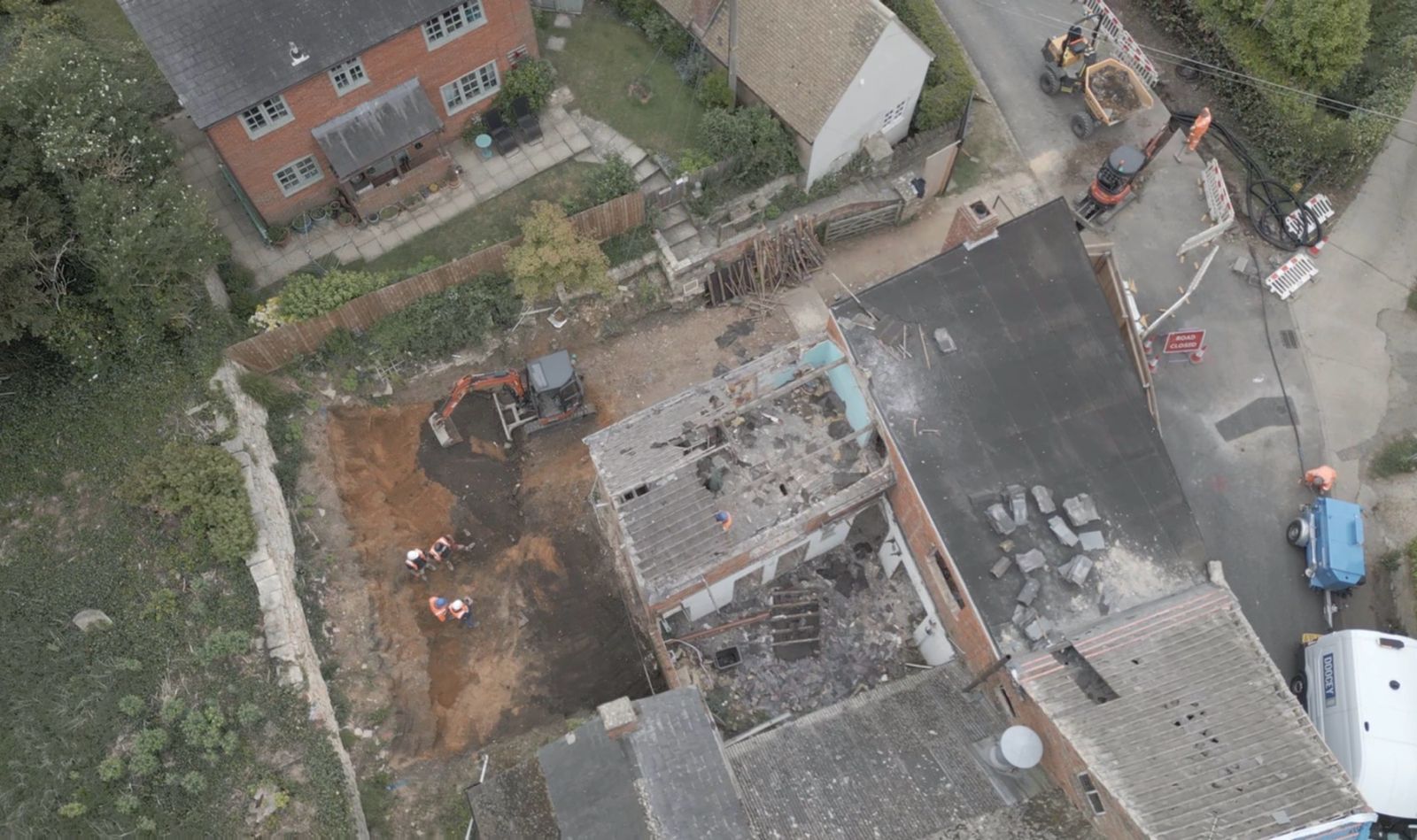
Some developments also require demolition before the ground can be prepared. Existing garages, outbuildings, agricultural structures, or older foundations may need to be removed to make way for new construction.
Completing demolition alongside site clearance helps establish a clean working environment while allowing contractors to inspect the ground beneath existing structures before excavation begins.
Preparing Ground Levels for Construction
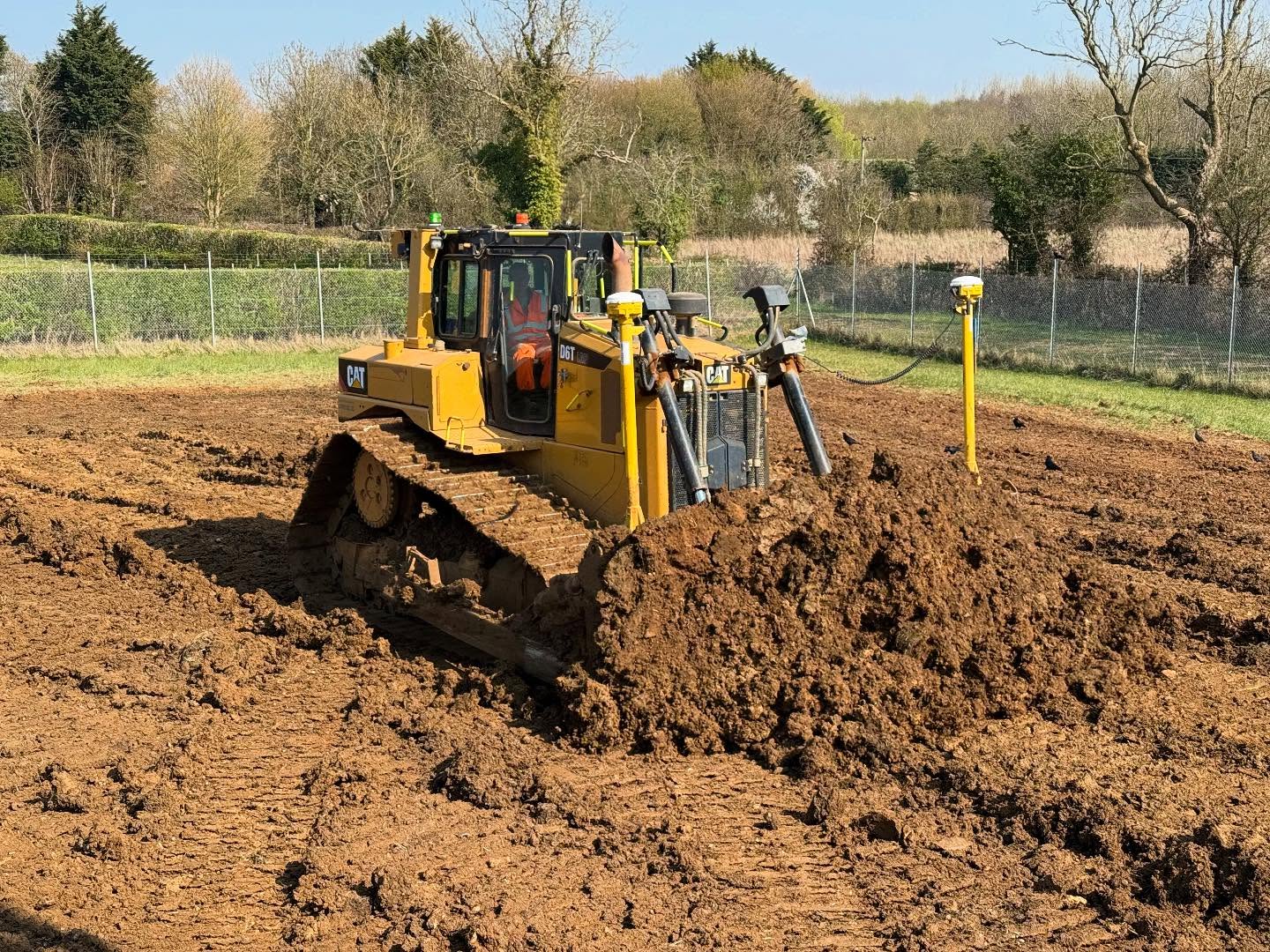
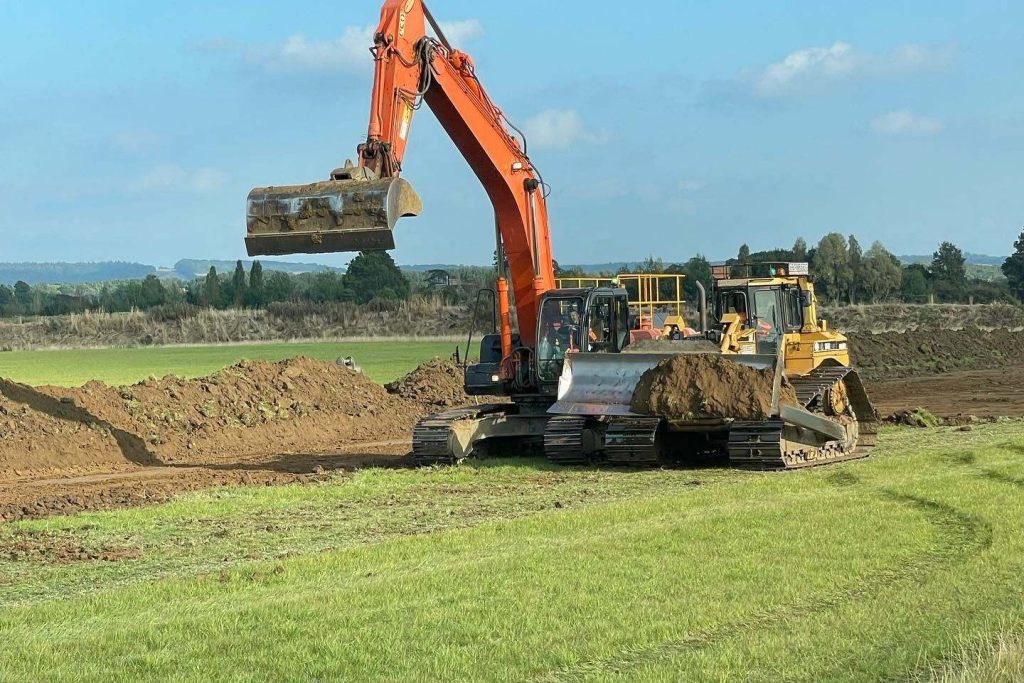
Excavation and grading shape the site to suit the proposed development. Ground levels are adjusted to create stable working areas while ensuring water can drain effectively across the completed site.
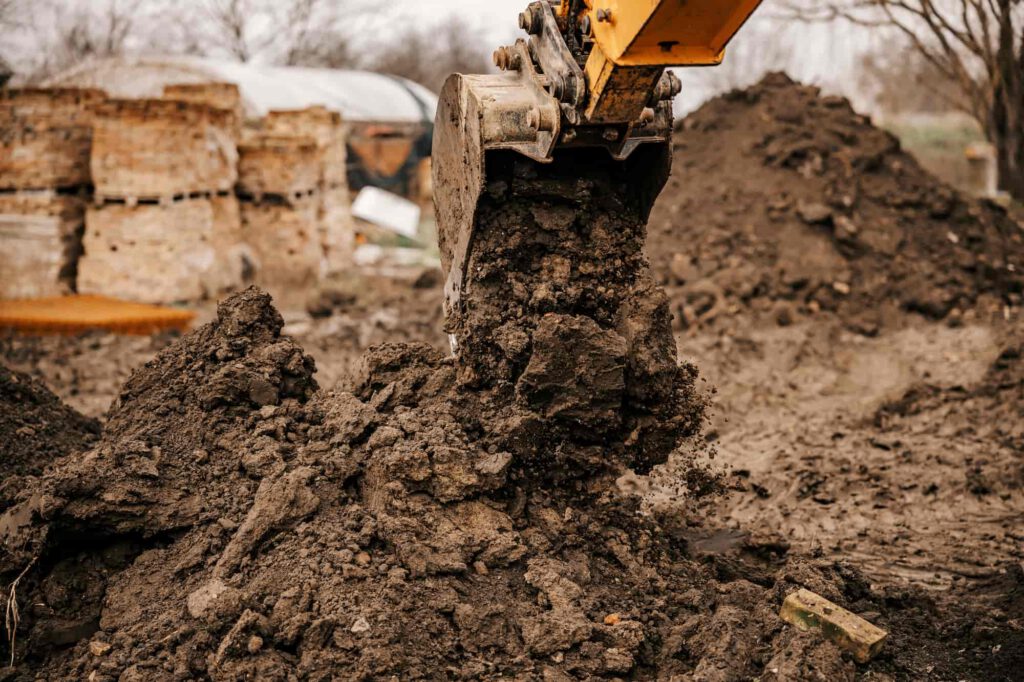
Grading also helps prepare formation levels for foundations, access roads, driveways, and external landscaping. Depending on the project, excavated material may be reused elsewhere on site or removed using suitable plant and transport.
Although much of this work disappears beneath the finished development, it provides the platform on which every later stage depends.
Drainage and Underground Services
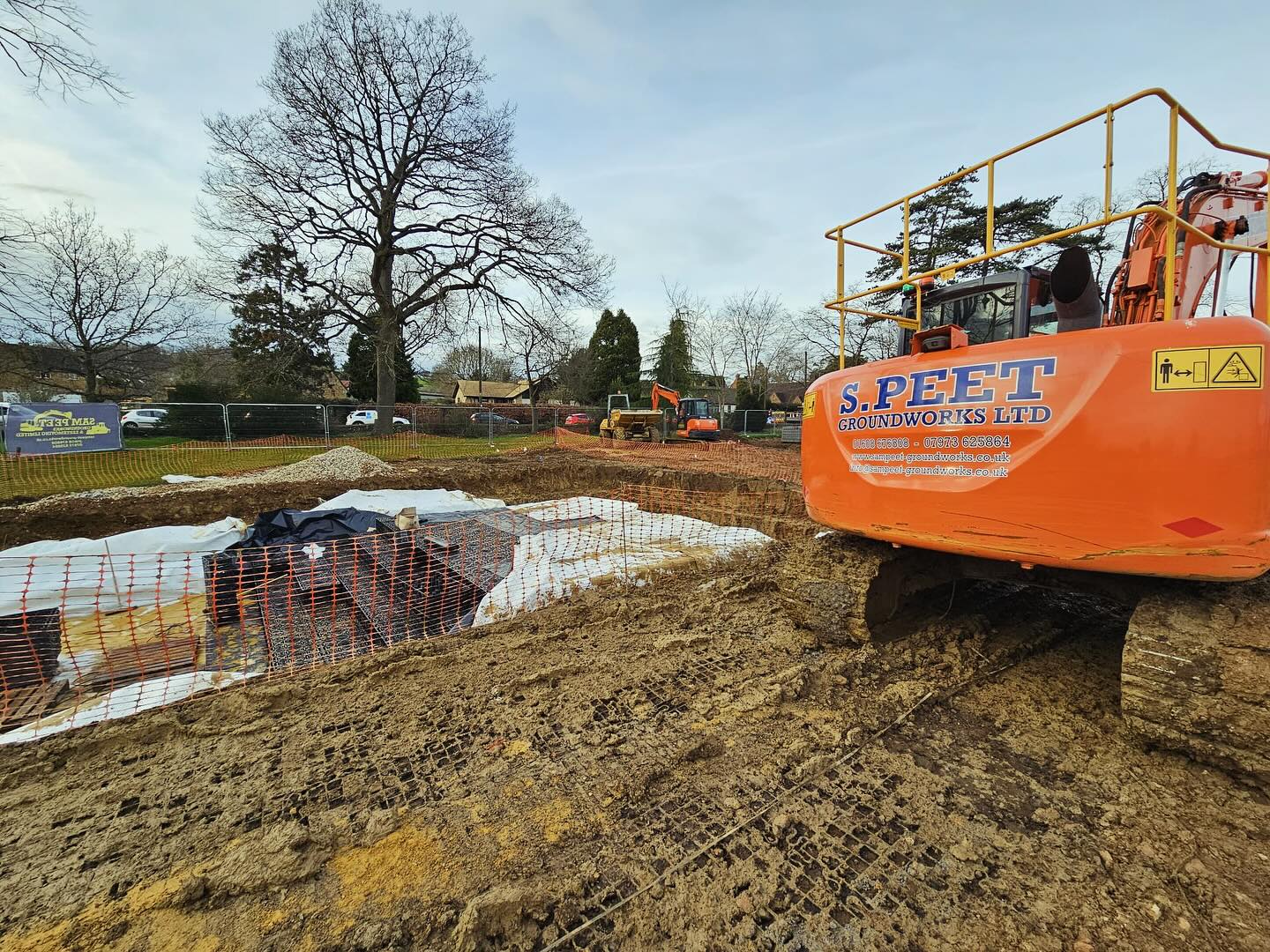
Installing drainage and underground utilities becomes far more straightforward before buildings occupy the site. Trenches can be excavated safely, pipework positioned accurately, and service routes coordinated without disrupting completed construction.
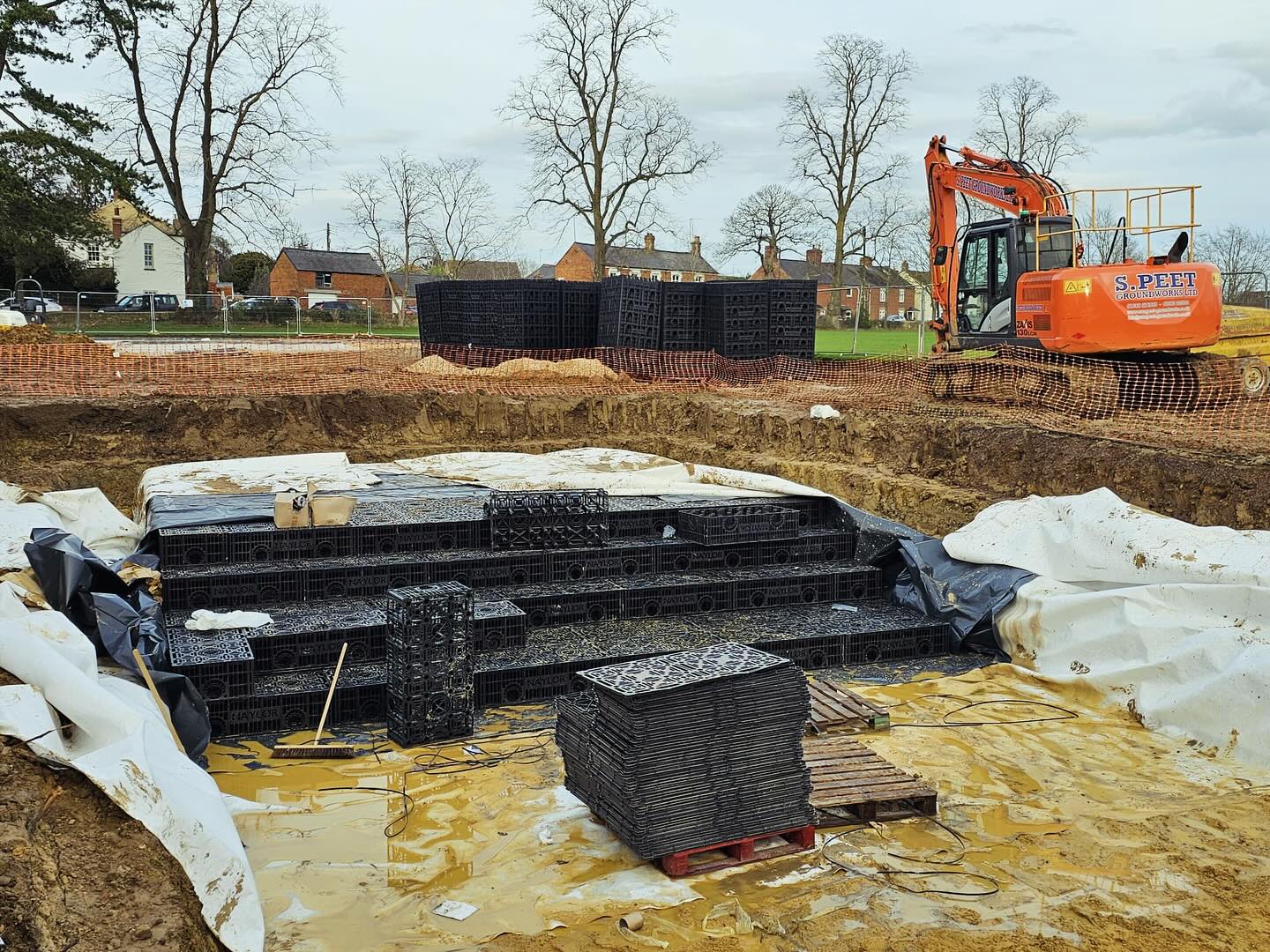
Drainage forms a particularly important part of site preparation, helping manage both surface water and wastewater before the development becomes operational. Electrical cables, water supplies, telecommunications, and other underground services are also installed during this phase to ensure infrastructure is in place before above-ground construction progresses.
Careful coordination between drainage and excavation helps avoid unnecessary reworking later in the programme.
Testing the Ground Before Building Begins
Not every site provides the same conditions for construction. Soil testing helps determine how the ground will perform under structural loads while identifying any areas that require additional preparation.
Where necessary, the ground is compacted to improve stability and reduce the likelihood of future settlement. This stage becomes particularly important where previous development, made ground, or naturally softer soils are present.
Understanding the condition of the ground before construction begins allows suitable foundation solutions to be selected with greater confidence.
Responding to Challenges on Site
Even well-planned developments can encounter unexpected conditions once work begins. Waterlogged ground, high water tables, buried foundations, or redundant underground services are all issues that may only become apparent during excavation.
Responding quickly to these findings helps minimise delays while ensuring the site remains suitable for construction. Effective site preparation allows contractors to adapt without losing sight of the wider construction programme.
Managing soil erosion and maintaining safe working areas also become ongoing priorities, particularly during periods of wet weather or on sloping sites.
Why Thorough Preparation Pays Off
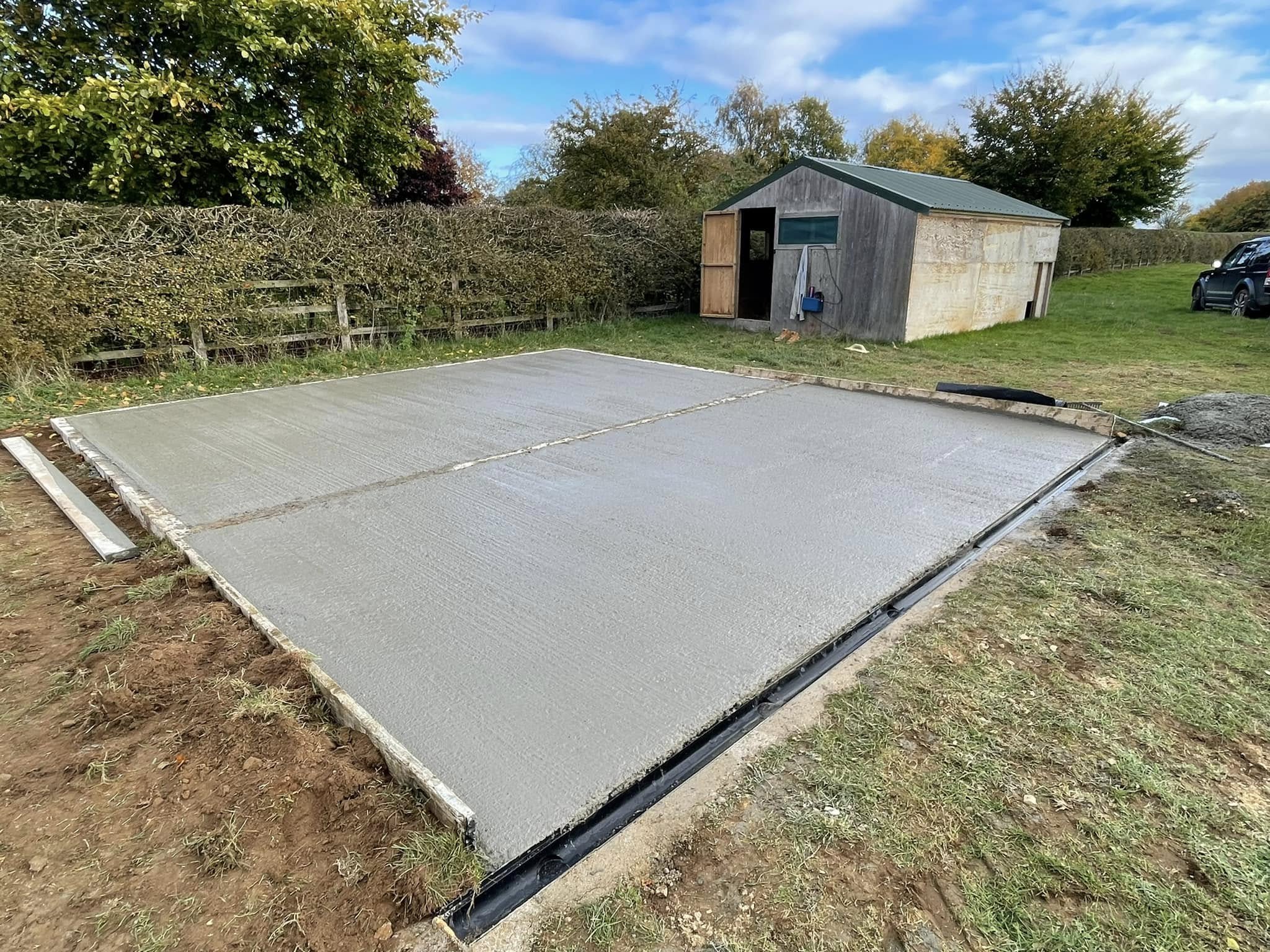
Good construction starts long before concrete is poured. Time invested in site preparation often leads to smoother project delivery, better coordination between trades, and fewer unexpected interruptions as work progresses.
While much of this activity takes place below ground or before visible construction begins, it has a lasting influence on the stability, drainage, and overall success of the finished development. Preparing the site properly creates the confidence to move into the next stage of construction with the right foundations already in place.
Get in Touch
Contact your local groundwork on 07973 625864 or 07951 796657 today, if you’re planning a project involving site preparation, drainage or demolition. Serving Moreton-in-Marsh and the surrounding areas, we’re on hand to help things run as they should.