


Earthmoving in Oxford
Well-planned earthmoving creates the foundation for successful construction, helping residential and commercial developments begin with stable ground, accurate levels, and carefully managed excavation before building work starts.
– Sam Peet Groundworks –
What Earthmoving in Oxford Typically Involves On Residential and Commercial Sites
Construction projects rarely begin with visible structures. Instead, they start with preparing the land to suit the development being planned. Earthmoving plays a central role in this process, allowing sites to be excavated, levelled, and shaped before foundations are installed or construction begins. For anyone planning a project in Oxford, understanding what earthmoving involves can help explain why this early stage has such an influence on everything that follows.
Before Construction Begins
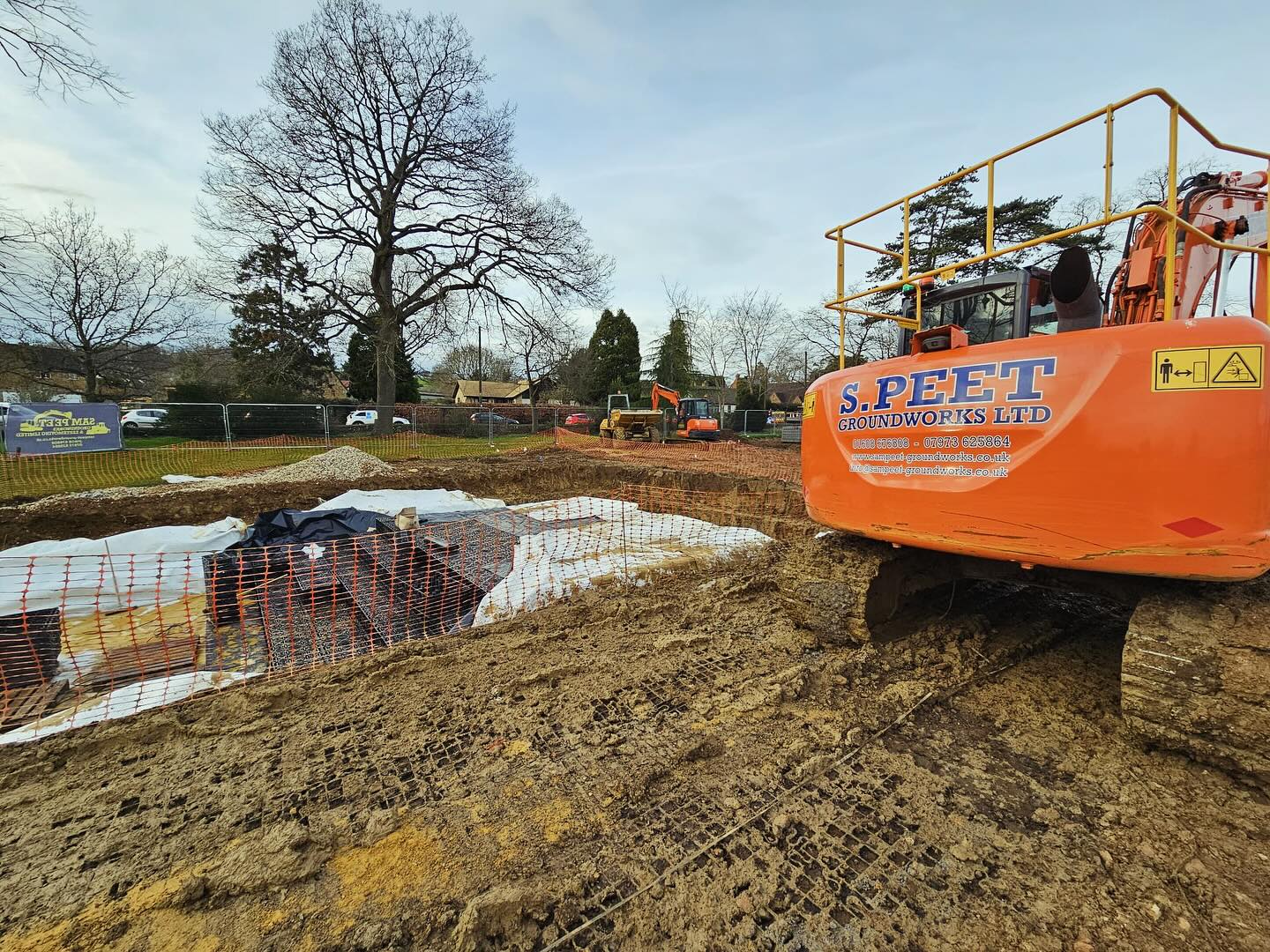
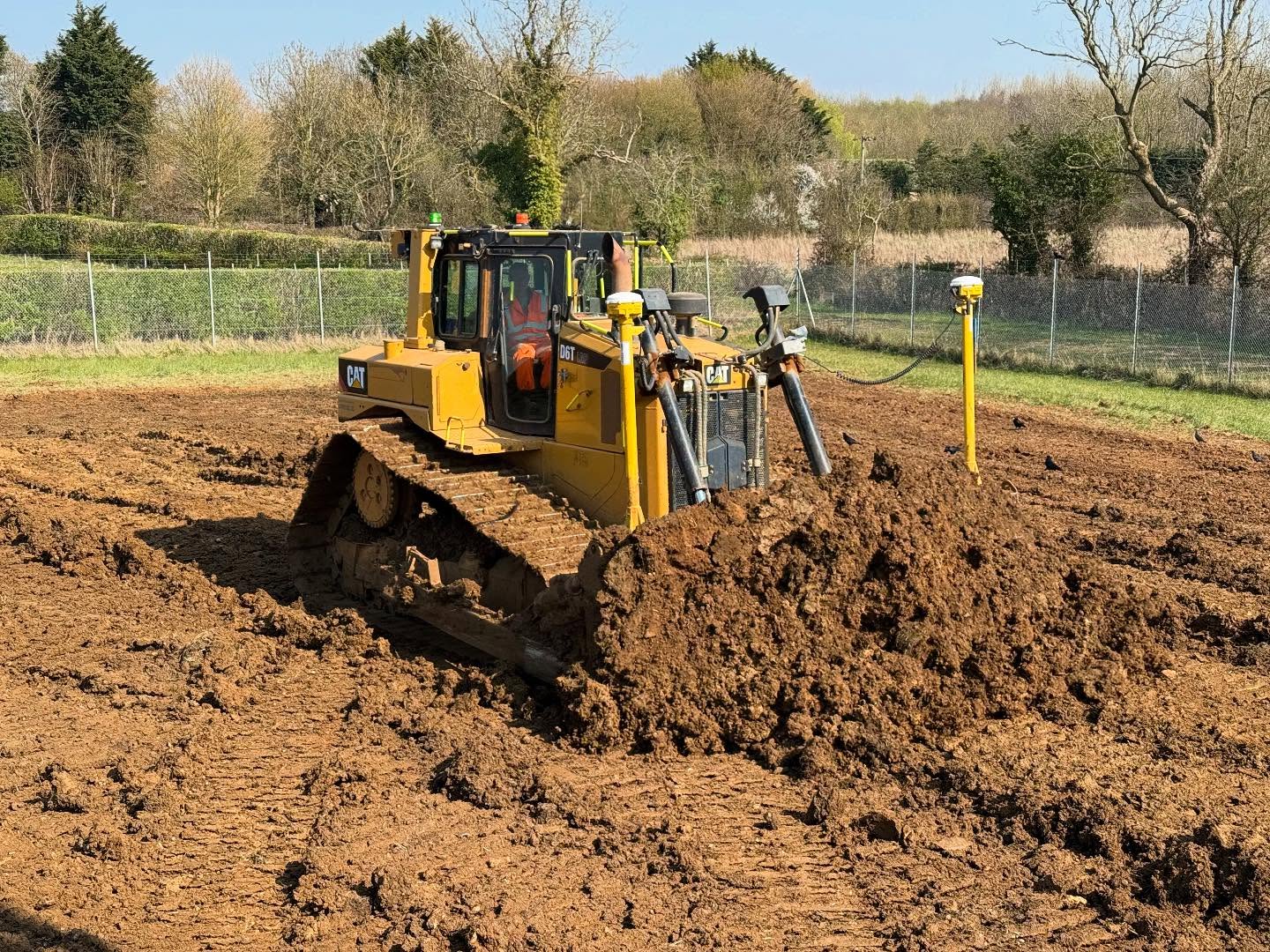
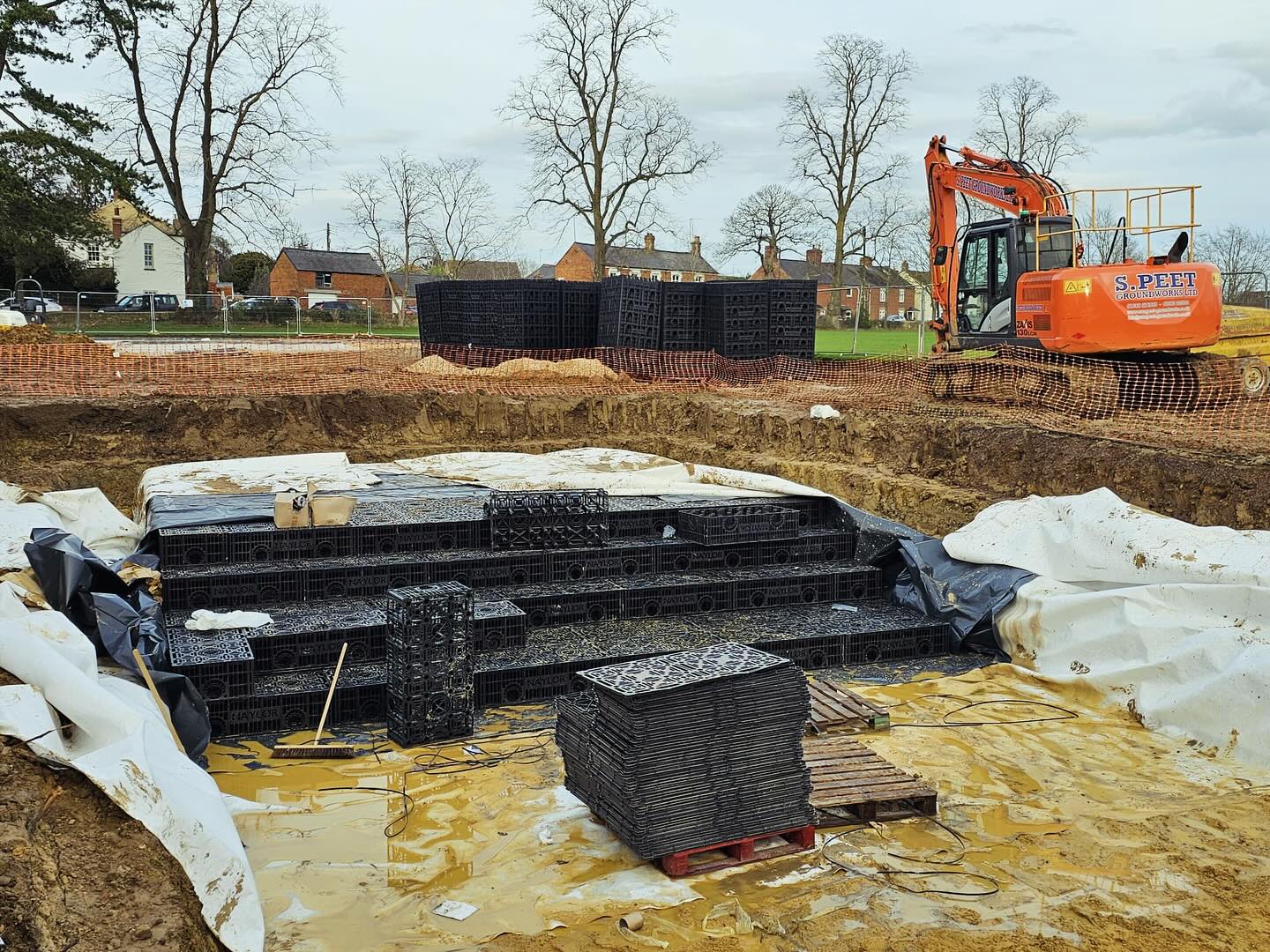
Earthmoving covers a wide range of activities that prepare land for construction. While excavation is often the first task that comes to mind, the process can also involve removing unsuitable material, redistributing soil, creating formation levels, and shaping the site to accommodate buildings, roads, or drainage systems.
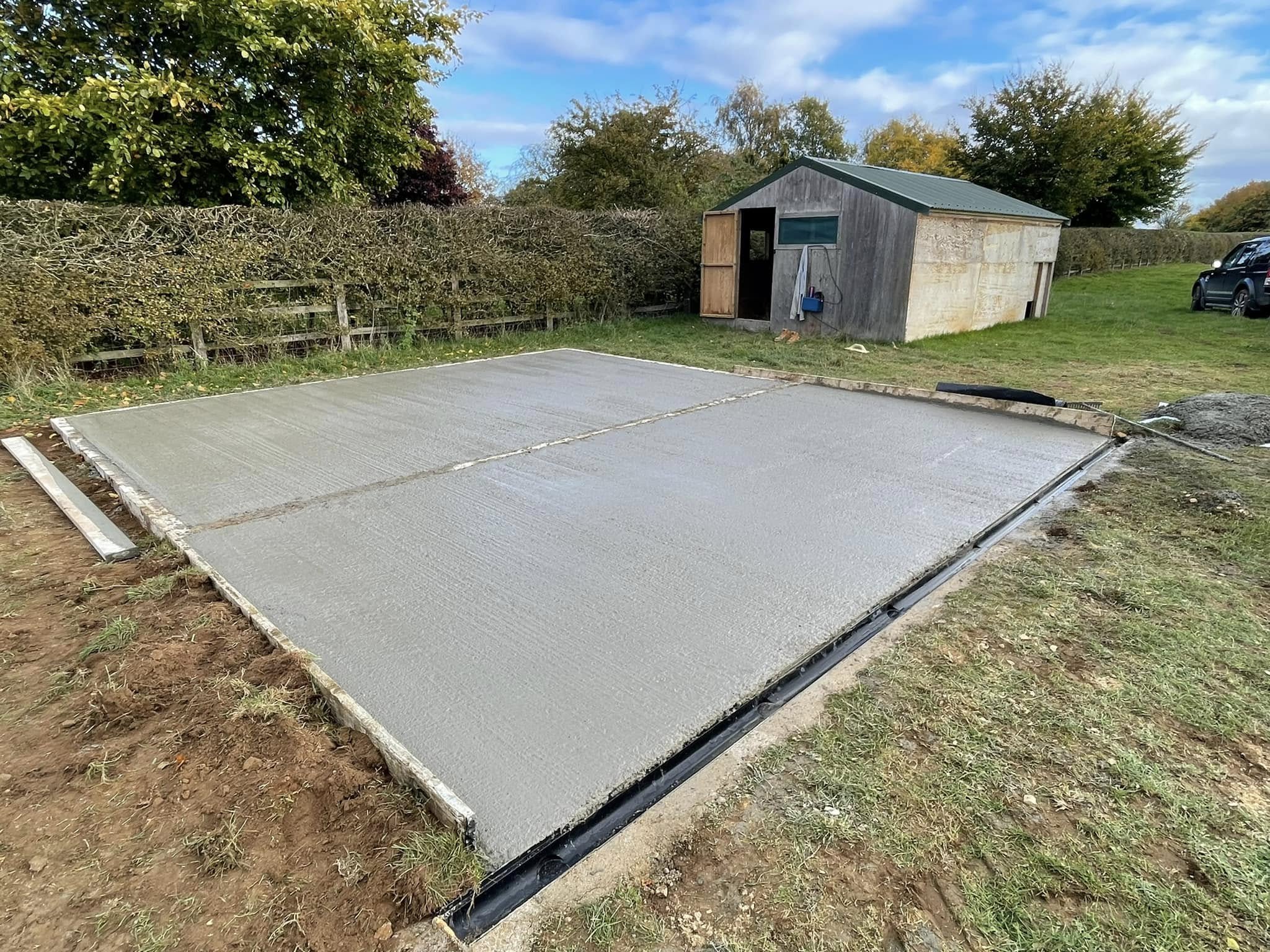
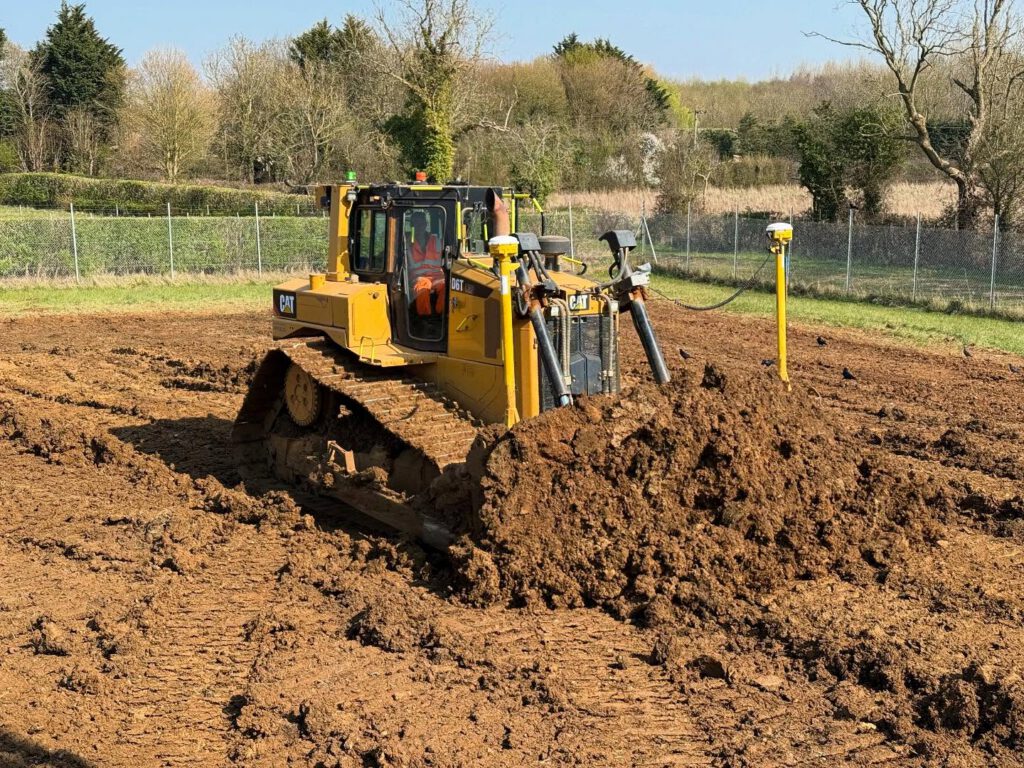
On residential developments, earthmoving may involve preparing land for a new home, extension, driveway, or outbuilding. Commercial projects often require larger-scale excavation, bulk material movement, and extensive site levelling before construction can progress.
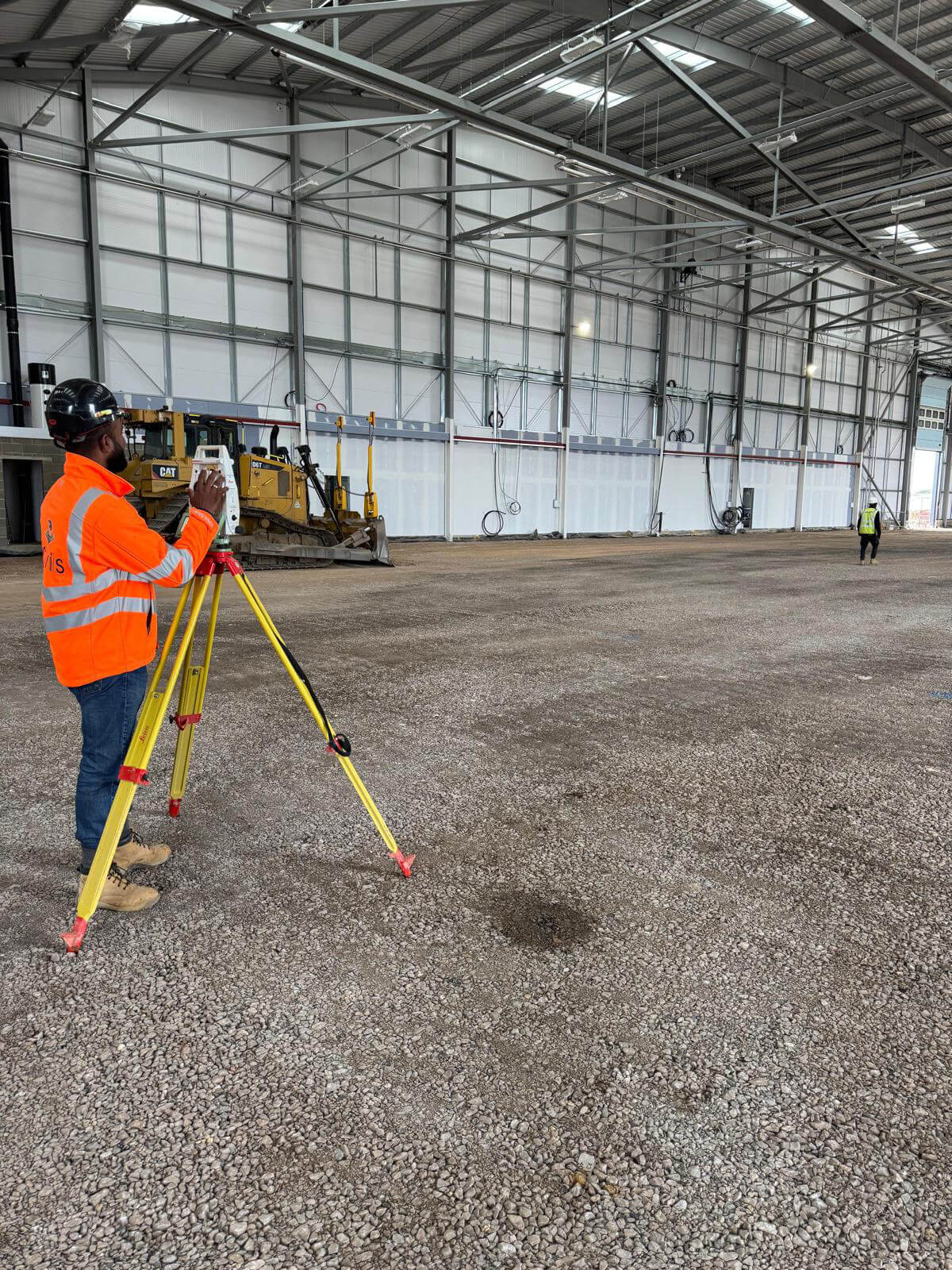
A groundworker will usually carry out these operations alongside survey information and engineering drawings, ensuring the finished ground levels match the proposed design and create suitable conditions for the next phase of the project.
Why Ground Conditions Influence Every Project
No two construction sites present exactly the same conditions. Soil type, previous land use, existing structures, and natural changes in ground level all influence how earthmoving is approached.
Ground conditions determine how much excavation is required, where material can be reused, and what preparation is needed before foundations are installed. Clay soils, made ground, or areas with poor drainage often require additional attention to create stable working conditions.
Unexpected findings beneath the surface are not uncommon. Existing foundations, buried services, old drainage systems, or areas of unsuitable fill can all affect how work progresses once excavation begins. Identifying these conditions early helps construction continue with fewer interruptions.
Earthmoving for Residential Developments
Residential projects often involve more than simply digging foundations. Earthmoving creates the levels needed for extensions, self-build homes, garages, garden rooms, and landscaping while ensuring the site is ready for construction.
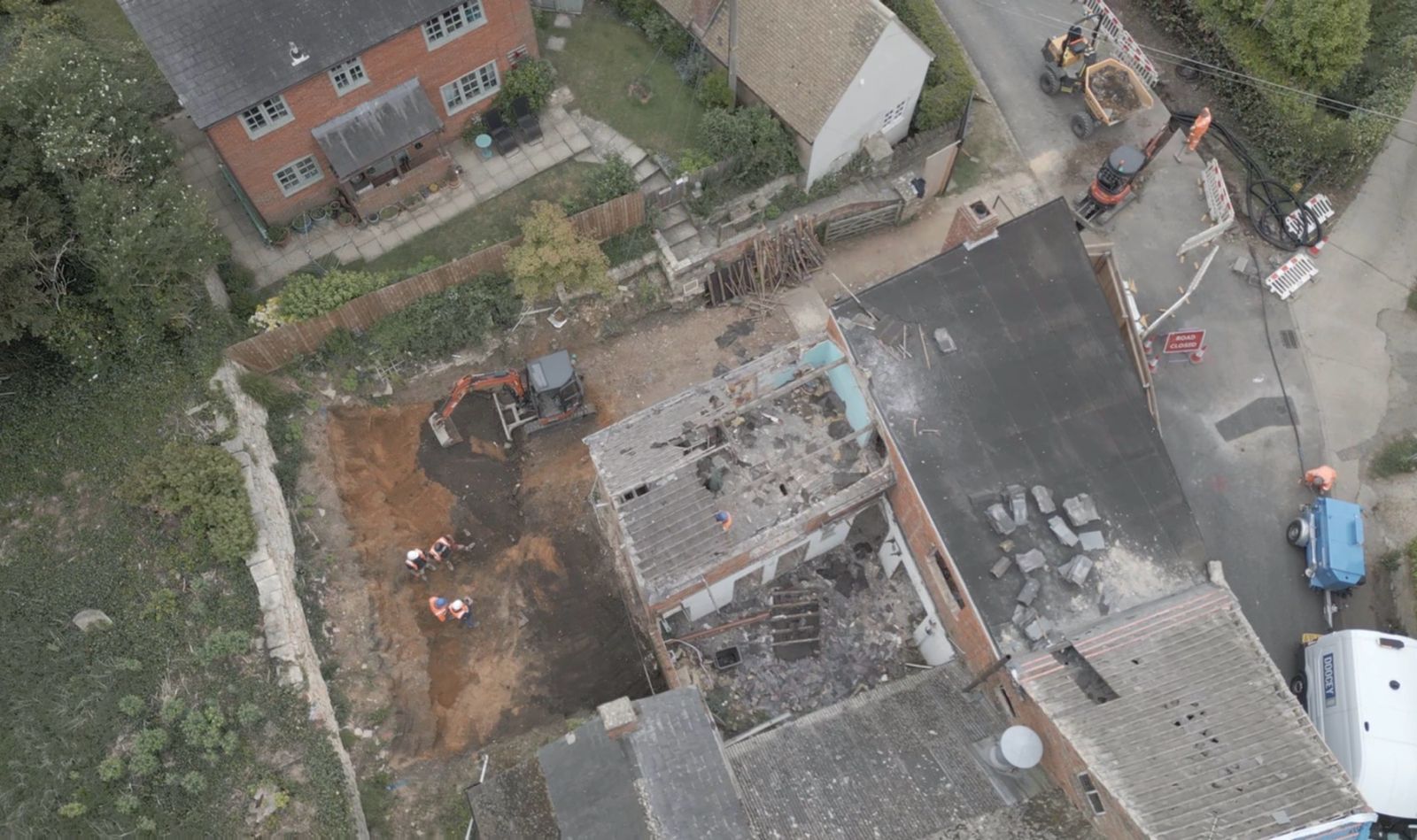
Access can sometimes become one of the biggest considerations, particularly on established properties where neighbouring buildings, boundary walls, or limited working space influence machinery selection. Smaller excavators may be required on one project, while open sites allow larger equipment to complete work more efficiently.
Once excavation has been completed, the prepared ground provides the basis for foundation installation, helping structural elements sit on accurately formed and properly compacted ground.
Supporting Commercial Groundworks
Earthmoving forms an essential part of commercial groundworks, particularly on developments where several phases of construction are taking place simultaneously.
Before contractors can begin structural work, the site often needs to be cleared, excavated, graded, and prepared for roads, service routes, drainage infrastructure, and building platforms. Larger developments may also involve moving significant quantities of material around the site to achieve the required formation levels without unnecessary waste.
Careful sequencing becomes particularly important on commercial sites. Earthmoving activities are often coordinated alongside drainage installation, utility works, and foundation preparation to keep the overall construction programme moving efficiently.
Preparing the Site for Foundations
One of the primary objectives of earthmoving is creating suitable ground for foundations. Accurate excavation ensures foundations are installed at the correct depth while maintaining the dimensions specified within engineering designs.
Formation levels must be carefully checked before foundation works begin, particularly where ground conditions vary across the site. In some cases, additional excavation or imported material may be required to create stable bearing ground capable of supporting the proposed structure.
This stage also provides an opportunity to establish finished site levels, allowing future drainage, external works, and access routes to integrate with the development as construction progresses.
Machinery, Planning, and Site Management
Successful earthmoving relies on more than operating heavy machinery. Planning plays an equally important role in ensuring material is moved efficiently and work progresses safely.
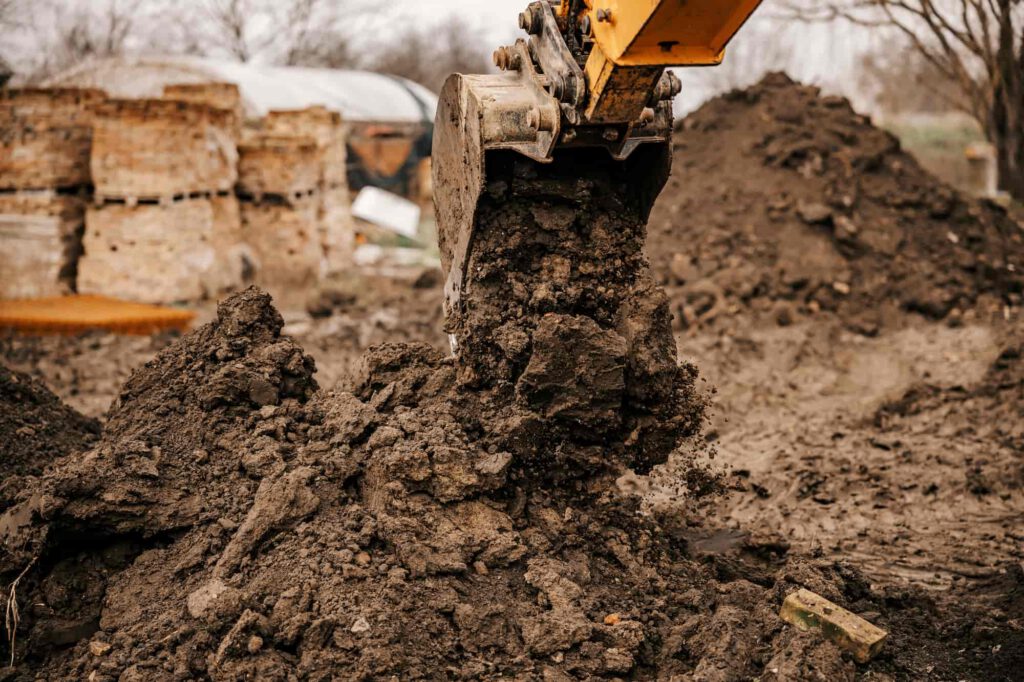
Excavators, dumpers, grab lorries, and compacting equipment are selected according to the size of the project, site access, and the volume of material being handled. Managing spoil, maintaining safe working areas, and coordinating deliveries all contribute to keeping construction on schedule.
Environmental considerations also form part of modern earthmoving operations. Reusing suitable excavated material where practical can reduce waste removal while helping projects operate more efficiently.
Why Early Preparation Benefits the Entire Project
Many construction delays can be traced back to issues discovered during the earliest stages of development. Taking time to understand ground conditions, establish accurate levels, and complete earthmoving correctly helps reduce the likelihood of unexpected problems later.
Although much of this work disappears beneath the finished development, its influence remains throughout the lifespan of the building. Proper preparation supports foundations, drainage systems, external surfaces, and every stage of construction that follows.
Understanding the purpose of earthmoving allows property owners and developers to appreciate why this stage is considered one of the most important parts of any successful construction project.
Get in Touch
If you’re planning a project requiring earthmoving in Oxford, Sam Peet Groundworks provides practical support for residential and commercial groundworks, helping prepare sites for foundations and future construction. Call your local groundworker on 07973 625864 or 07951 796657 today to get started.