

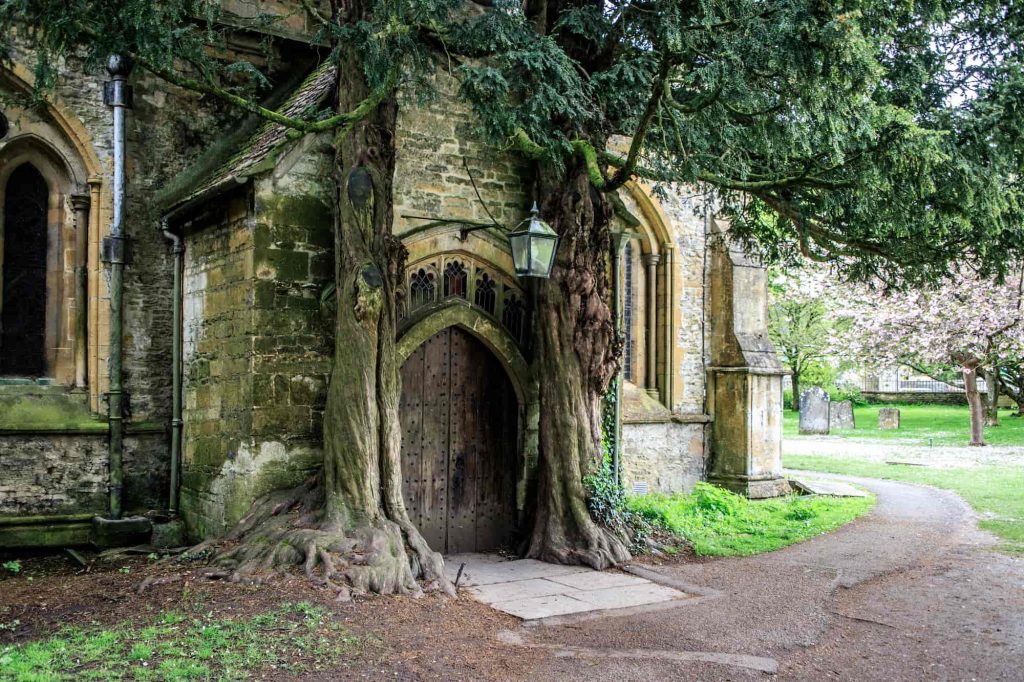
Drainage in Stow-on-the-Wold
Well-designed drainage systems protect buildings, roads, and surrounding land by managing surface water and wastewater before they become long-term construction or maintenance problems.
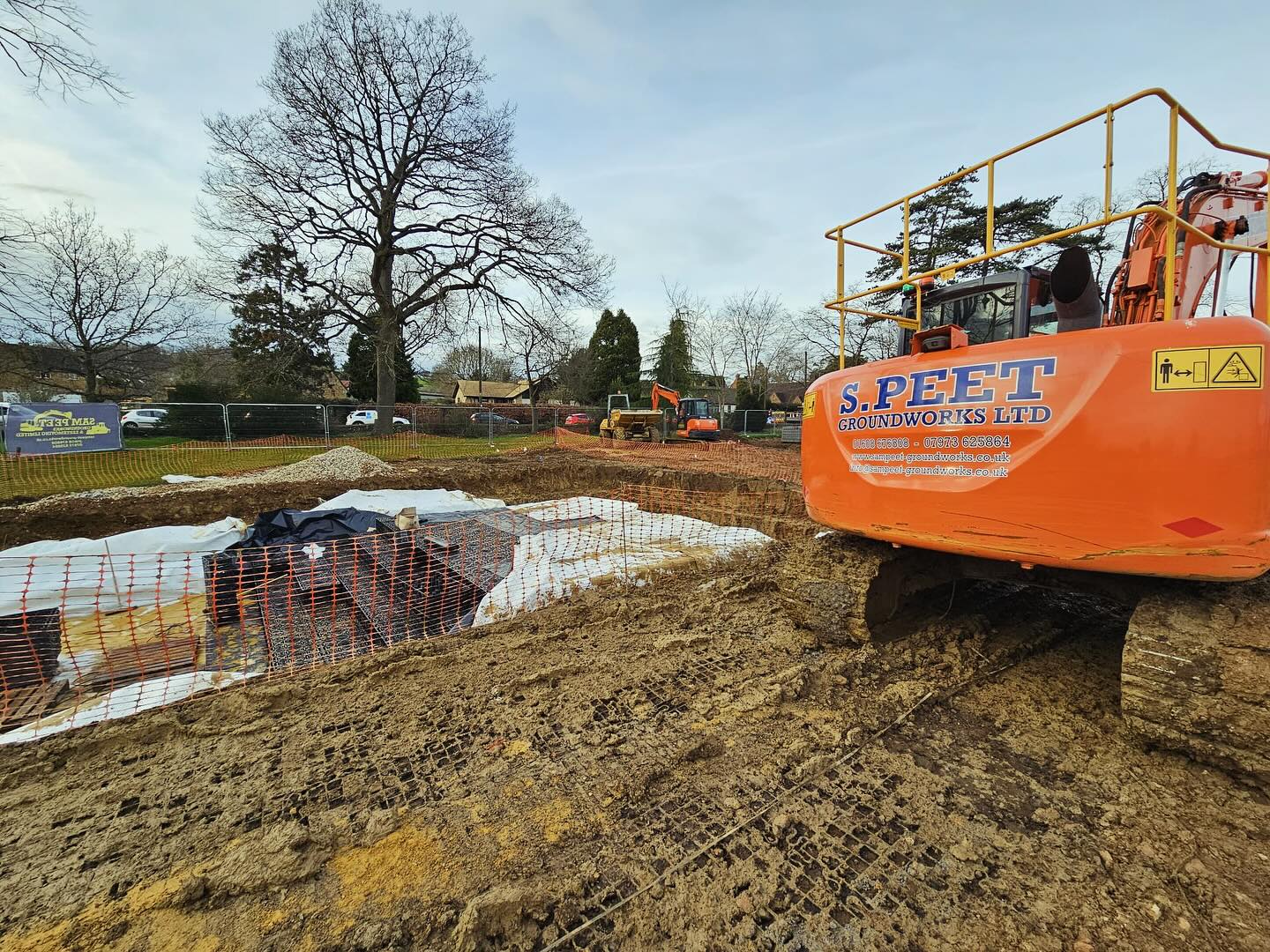
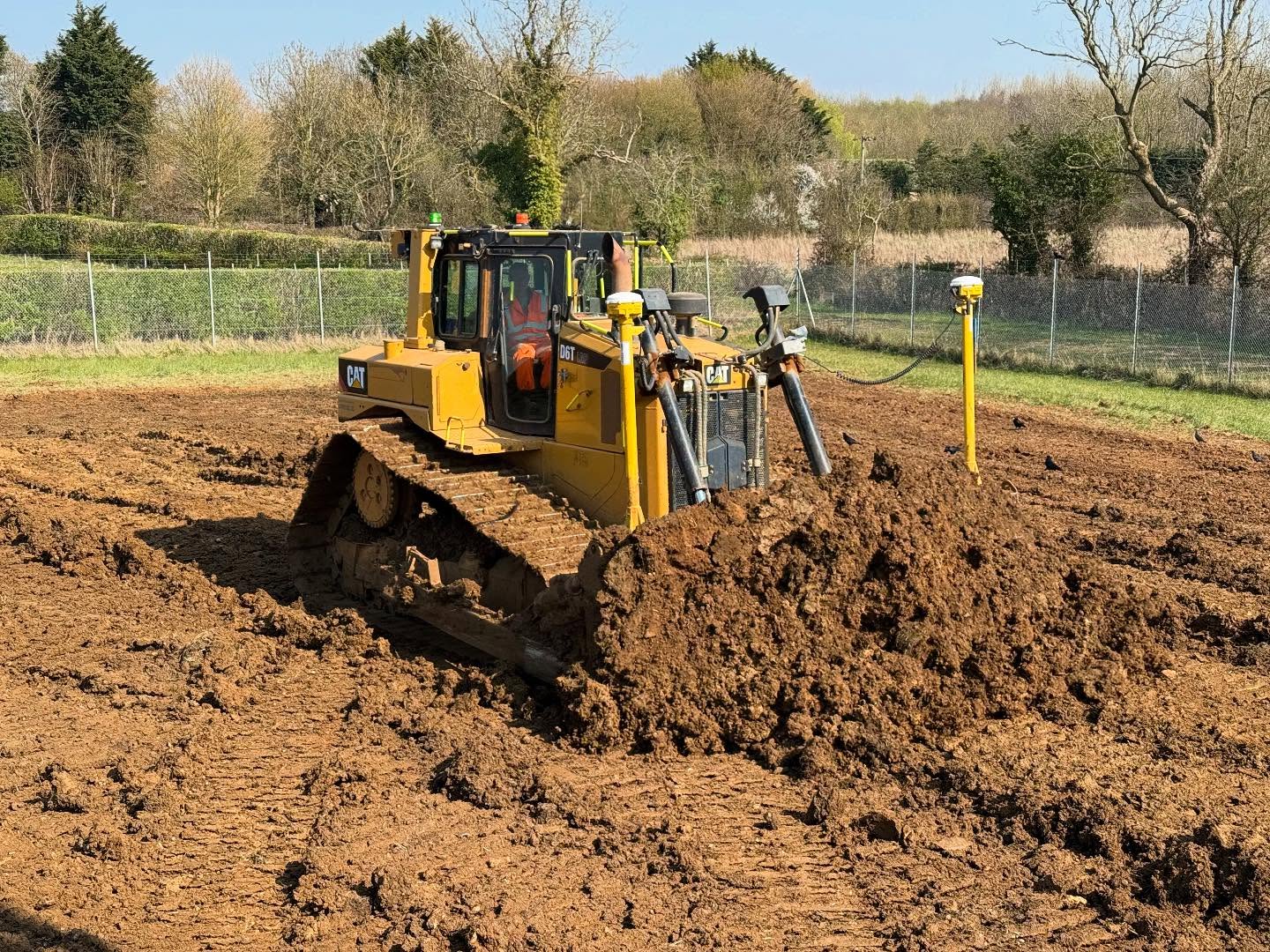
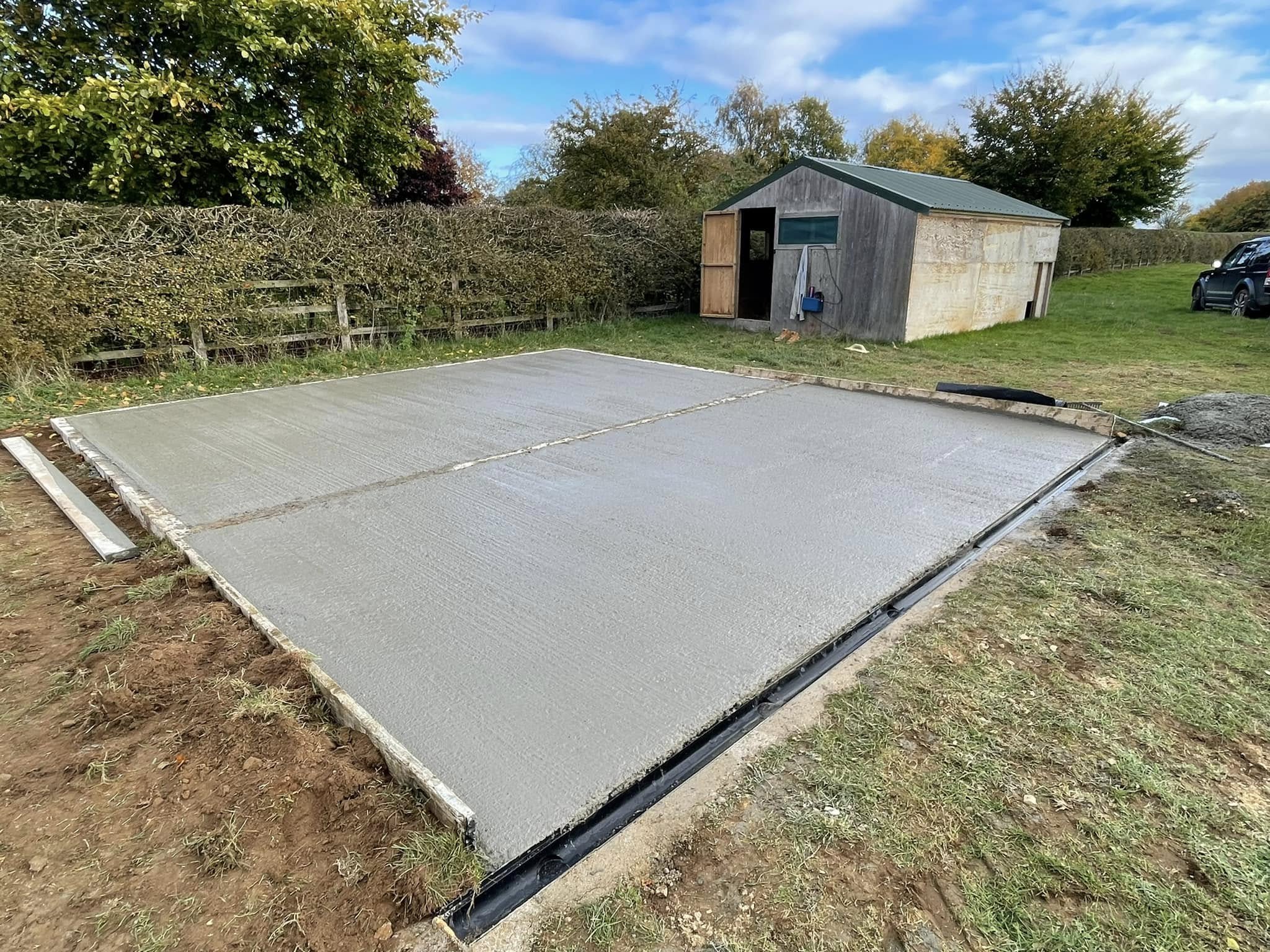
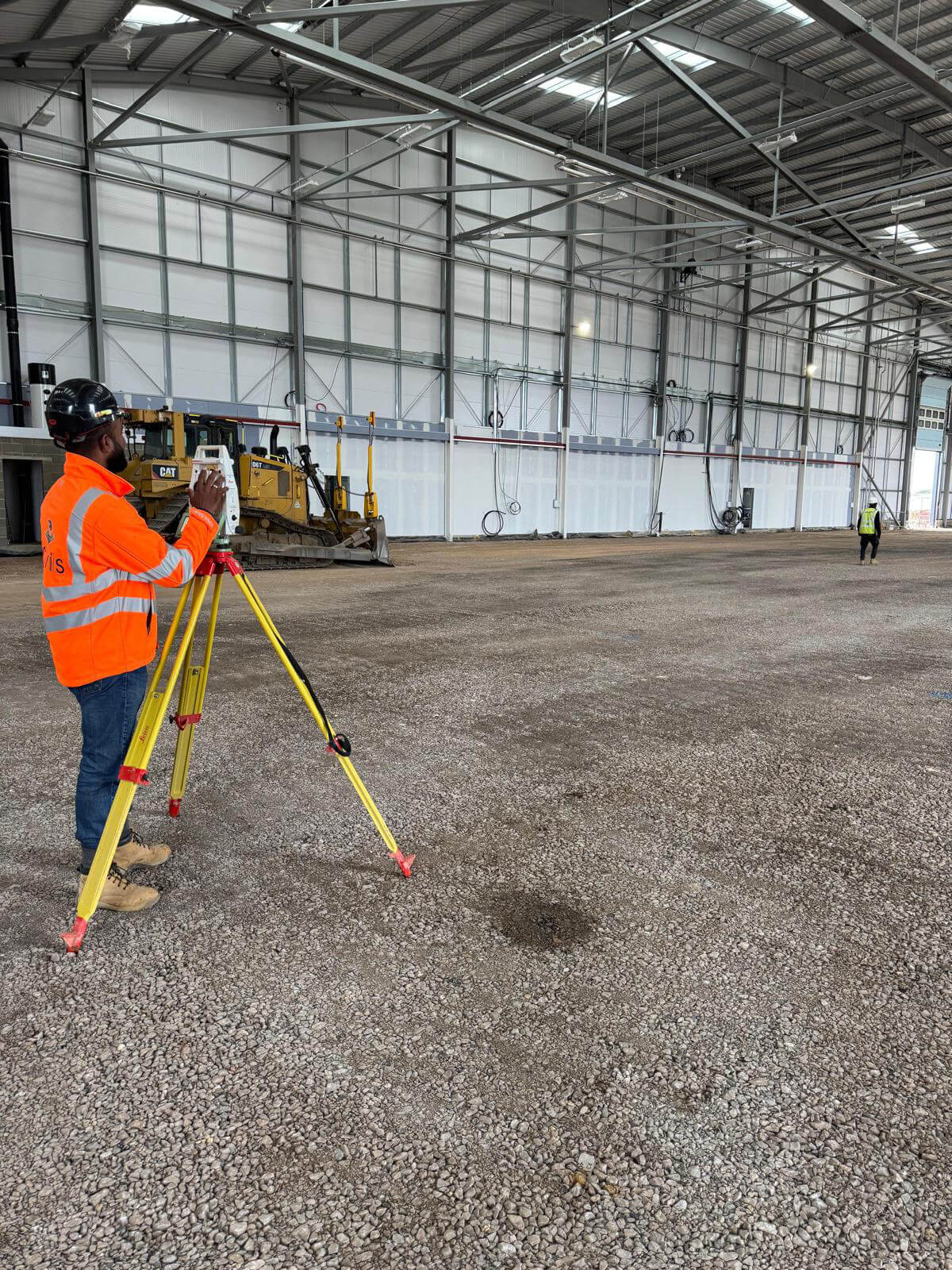
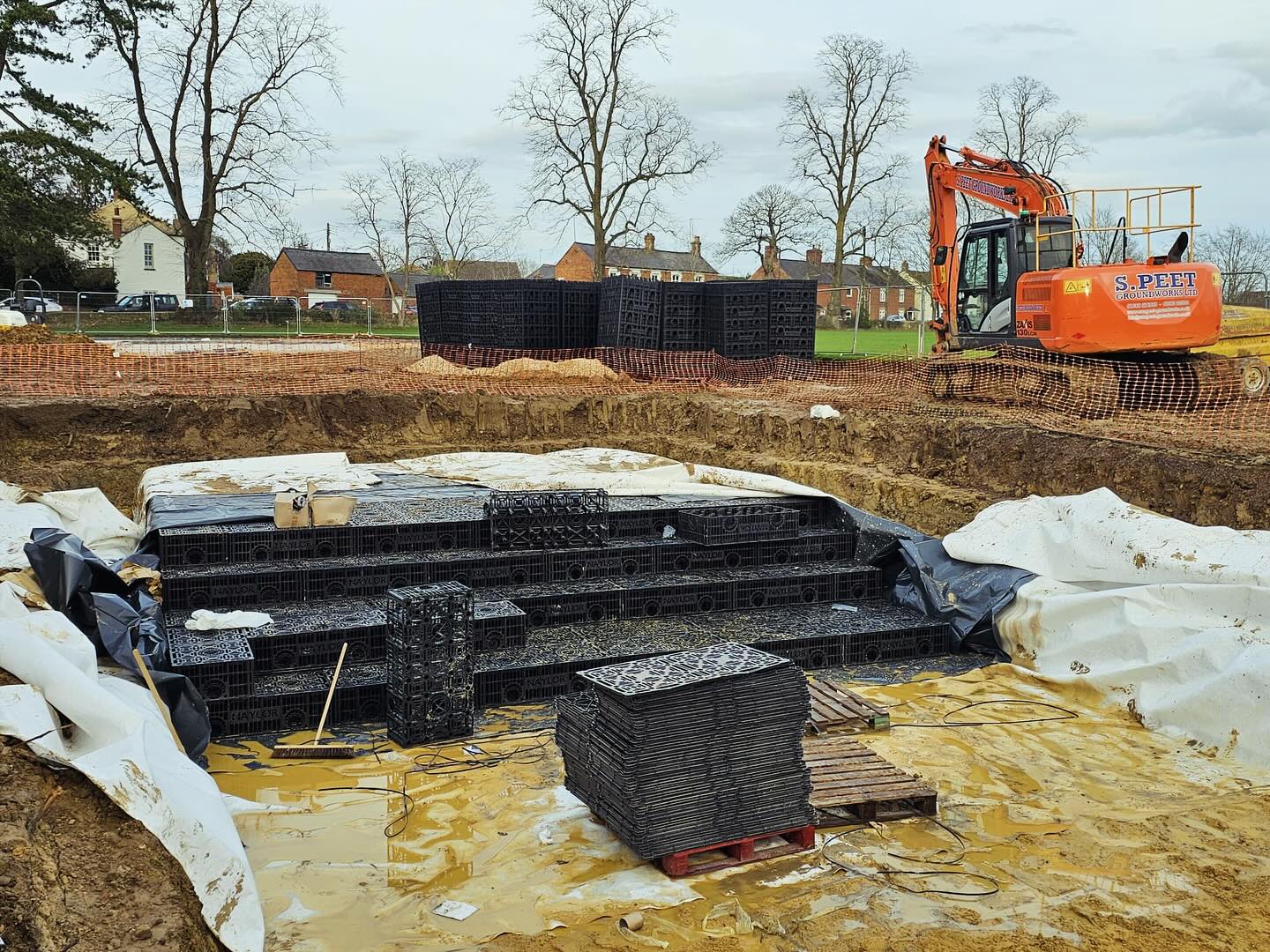
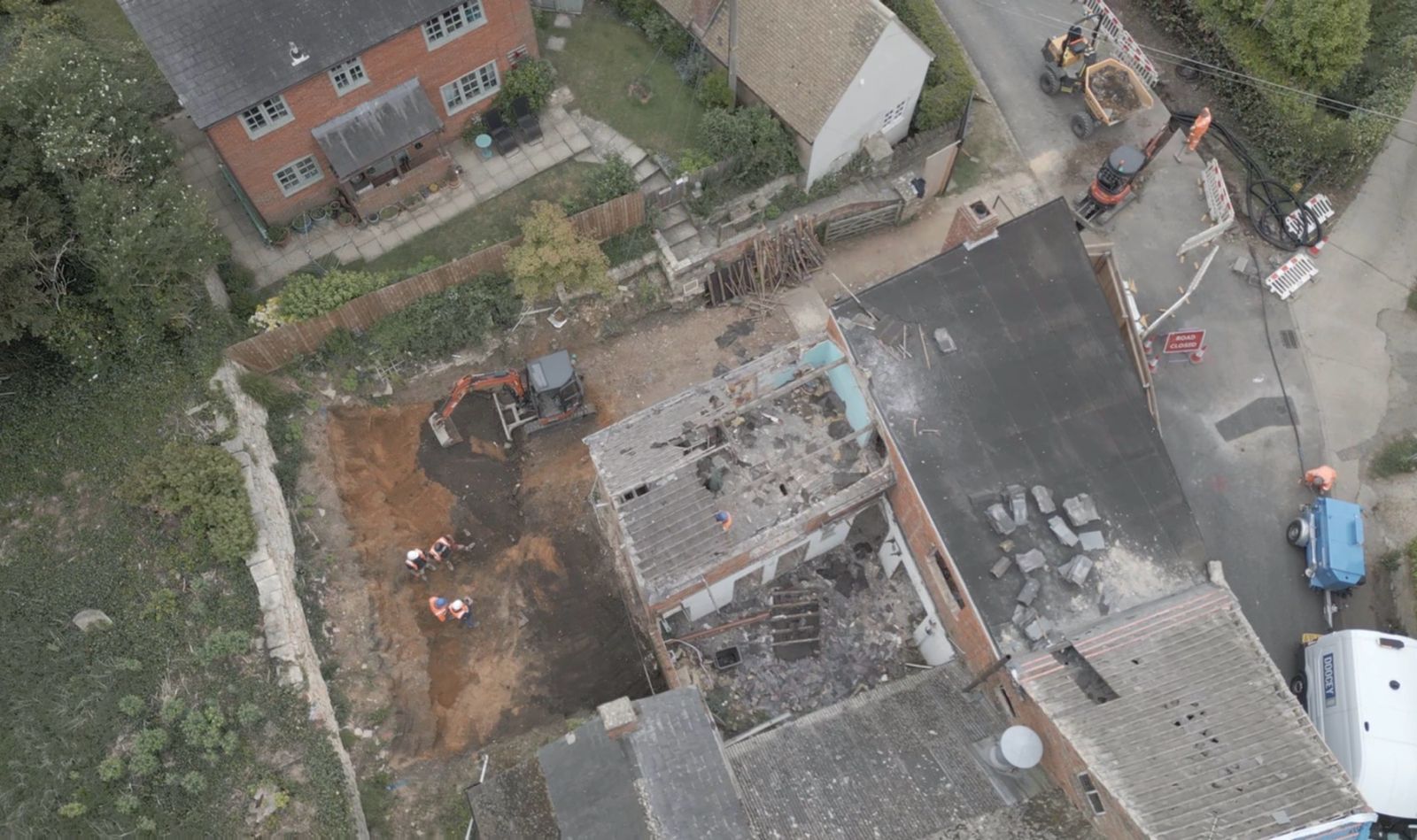
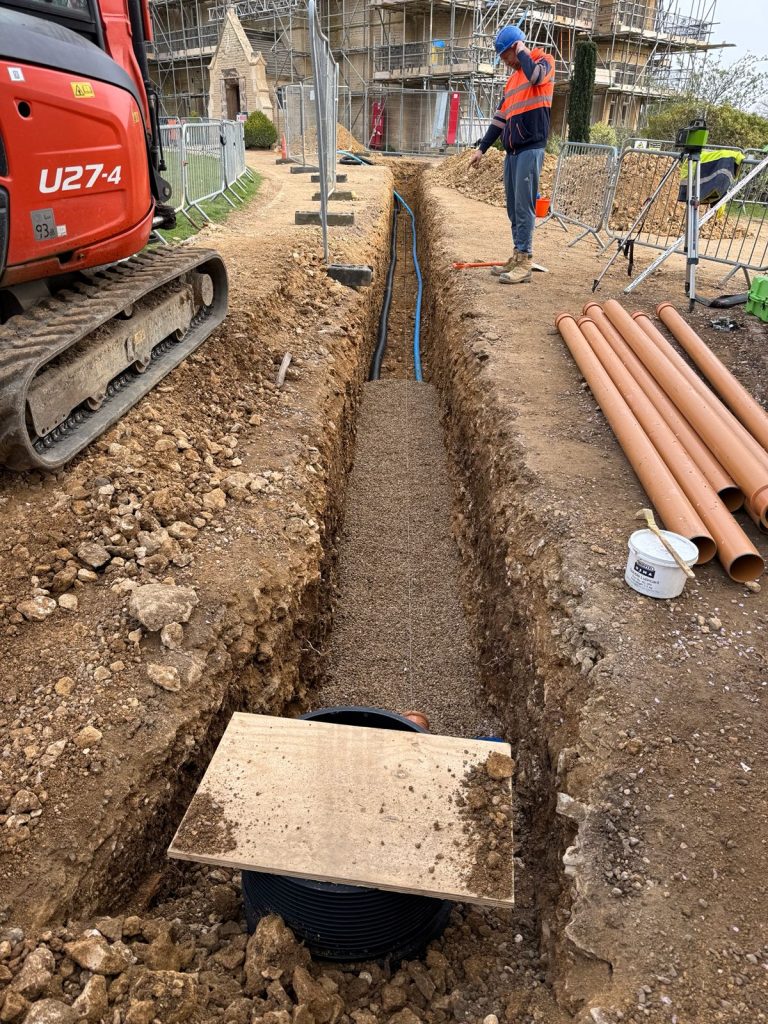
– Sam Peet Groundworks –
Common Drainage Issues Found in Stow-on-the-Wold Properties and Sites
Drainage is one of the most important parts of any construction project, yet it often receives the least attention until problems begin to appear. Standing water, poor ground conditions, blocked systems, and ineffective surface water management can all affect residential and commercial developments if they are not addressed early. Understanding the most common drainage issues found across Stow-on-the-Wold can help property owners and developers plan more effectively before work begins.
Surface Water Can Cause More Problems Than Many Expect
Heavy rainfall does not always create problems on its own. Difficulties usually arise when surface water has nowhere to drain, leaving water to collect around buildings, hardstanding, or construction areas.
Poorly managed surface water can soften the ground, affect access around a site, and increase the risk of erosion over time. During construction, it may also delay excavation or foundation works if water begins to collect within open trenches.
Thoughtful site preparation helps establish suitable ground levels that encourage water to flow naturally towards appropriate drainage systems rather than remaining on the surface.
Existing Drainage is Not Always Suitable
Older properties and previously developed land often contain drainage systems that no longer meet the demands of modern construction.
Existing pipework may have deteriorated, become partially blocked, or simply be unsuitable for the size of a proposed extension or redevelopment. In some cases, historic drainage routes are discovered during excavation, requiring alterations before construction can continue.
Assessing existing drainage before work begins allows these issues to be identified early, reducing disruption once construction is underway.
Underground Services Need Careful Planning
Drainage rarely exists in isolation beneath the ground. Water pipes, sewer connections, electrical cables, and telecommunications infrastructure often share the same working area, making accurate planning essential before excavation begins.
During site preparation, underground services are carefully identified so new drainage can be installed without affecting existing infrastructure. Coordinating trenching works at this stage also reduces unnecessary excavation later in the project.
Careful planning helps ensure drainage systems function as intended while allowing other essential utilities to remain protected throughout construction.
Ground Conditions Influence Drainage Performance
The type of ground beneath a development has a direct impact on how drainage systems perform. Some soils allow water to disperse naturally, while others retain moisture for longer periods, increasing the likelihood of standing water.
These conditions influence decisions surrounding drainage layouts, trench depths, and the use of soakaways where appropriate. Understanding ground behaviour before construction begins allows drainage systems to be designed around the site rather than relying on standard solutions.
Ground conditions can also affect the sequence of excavation and foundation works, particularly during prolonged periods of wet weather.
Drainage Supports Residential and Commercial Development
Every development relies on effective drainage, although the scale varies considerably between projects.
Residential developments may require drainage for new homes, extensions, agricultural conversions, or driveway construction. Commercial projects often introduce more extensive systems capable of managing greater volumes of surface water and wastewater across larger sites.
Planning drainage alongside other elements of site preparation helps construction progress more efficiently while reducing the need for future alterations.
Early Planning Helps Avoid Future Disruption
Many drainage problems develop gradually rather than appearing immediately after construction has finished. Incorrect pipe gradients, poorly positioned inspection chambers, or inadequate surface water management may not become obvious until the site is fully operational.
Addressing drainage during the earliest planning stages allows designers, engineers, and contractors to coordinate below-ground infrastructure before permanent structures limit access.
Although drainage remains hidden once construction is complete, it continues to influence how the development performs throughout its lifespan.
Good Drainage Benefits Every Stage of Construction
Drainage does much more than carry water away from a site. It supports stable ground conditions, protects completed structures, and allows construction to progress with fewer interruptions.
By understanding common drainage issues before work begins, property owners can make informed decisions that contribute to the long-term performance of both residential and commercial developments.
Get in Touch
For those planning a project requiring drainage services in Stow-on-the-Wold, Sam Peet Groundworks is a phone call away for assistance with site preparation, demolition, and below-ground infrastructure for residential and commercial developments. Find us on 07973 625864 or 07951 796657.