


Foundations in The Cotswolds
Every successful structure depends on foundations suited to the land beneath it. Careful planning, thorough site assessment, and experienced groundworks all contribute to long-term structural stability.
– Sam Peet Groundworks –
How Foundation Work in The Cotswolds is Adapted to Varied Soil Conditions
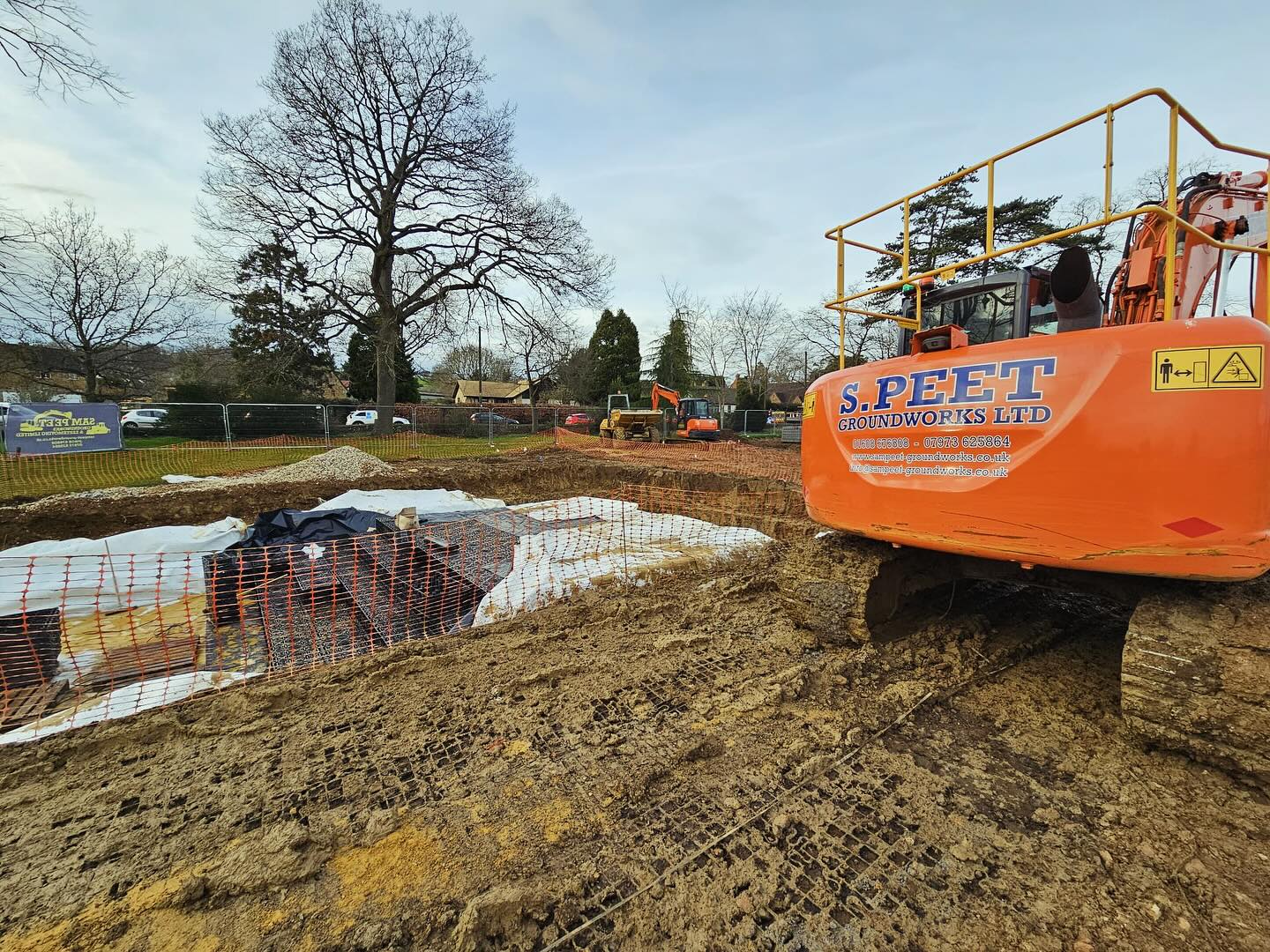
Building across The Cotswolds presents a variety of challenges beneath the surface. While two projects may appear similar above ground, the conditions below can differ considerably depending on location, previous land use, natural geology, and drainage. Because of this, foundation work is never simply a case of digging trenches and pouring concrete. It requires an understanding of the site, careful planning, and the flexibility to adapt as excavation progresses. Whether the project involves a home extension, a new-build property, or a larger commercial development, foundations provide the structural base that every stage of construction relies upon.
Why Ground Conditions Vary Across The Cotswolds
One of the defining characteristics of construction across The Cotswolds is the variation in ground conditions found from one site to another. Limestone geology is common throughout much of the region, but there are also areas containing clay, mixed soils, made ground, and land that has been altered through previous development or agricultural use.
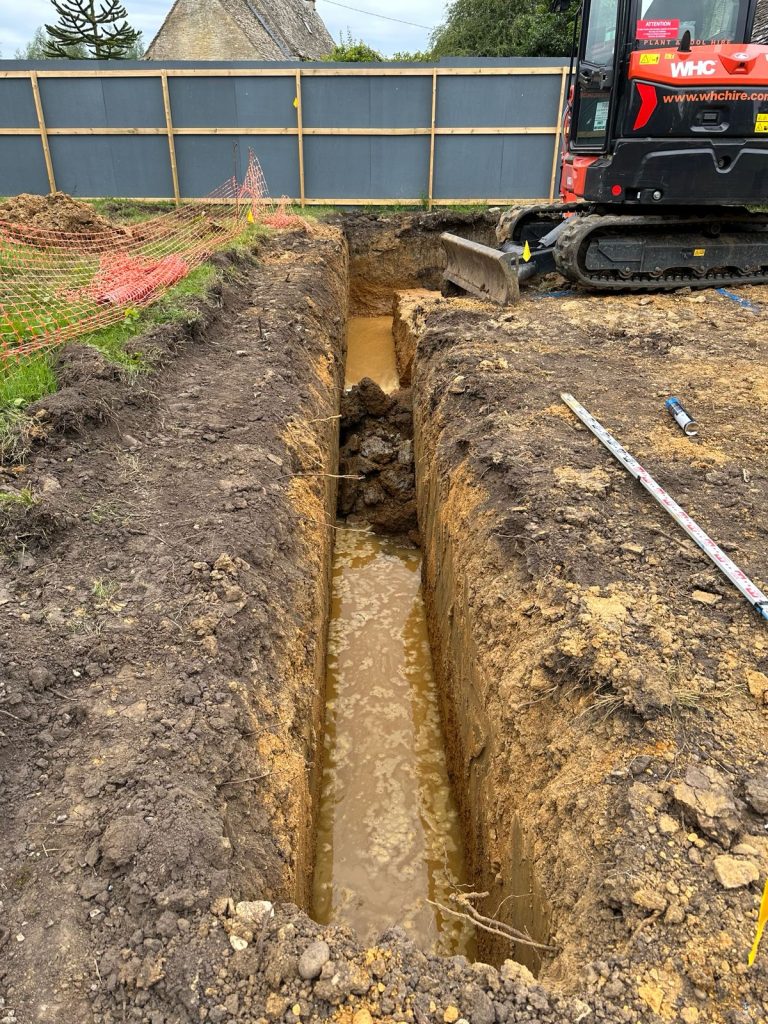
These differences influence how excavation is carried out and what type of foundations may be appropriate. A site that offers excellent bearing capacity just below the surface may allow relatively straightforward construction, while another nearby could require deeper excavation before suitable ground is reached. This is why assumptions are rarely made before work begins. Instead, each site is assessed on its own merits, allowing the foundation design to reflect the conditions actually present beneath the development.
Site Preparation Plays an Important Role
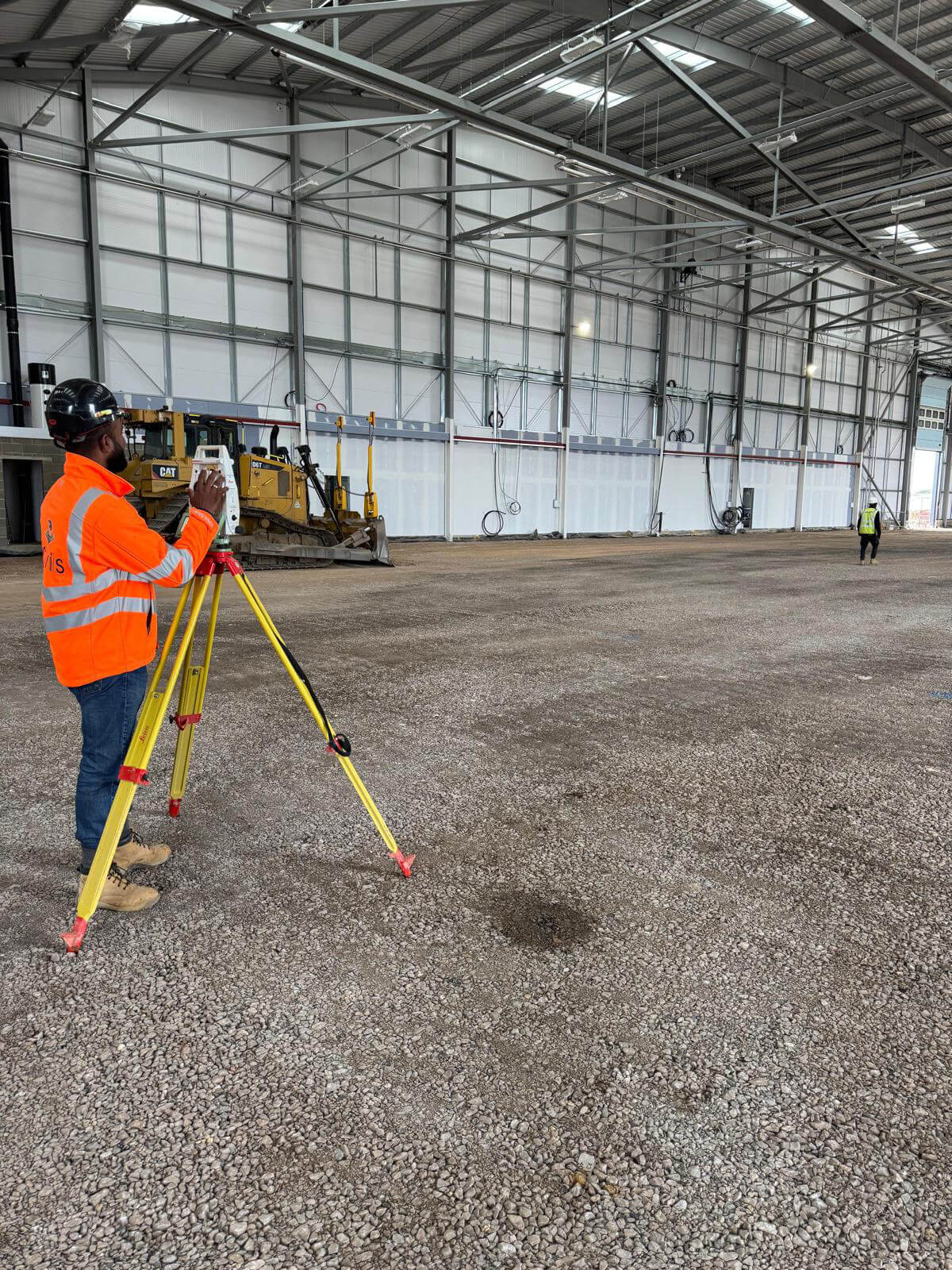
Before foundations can be installed, the site itself must be properly prepared. This involves more than clearing vegetation or creating access for machinery. Surveying, establishing finished levels, identifying existing utilities, and confirming building positions all help ensure excavation begins accurately.
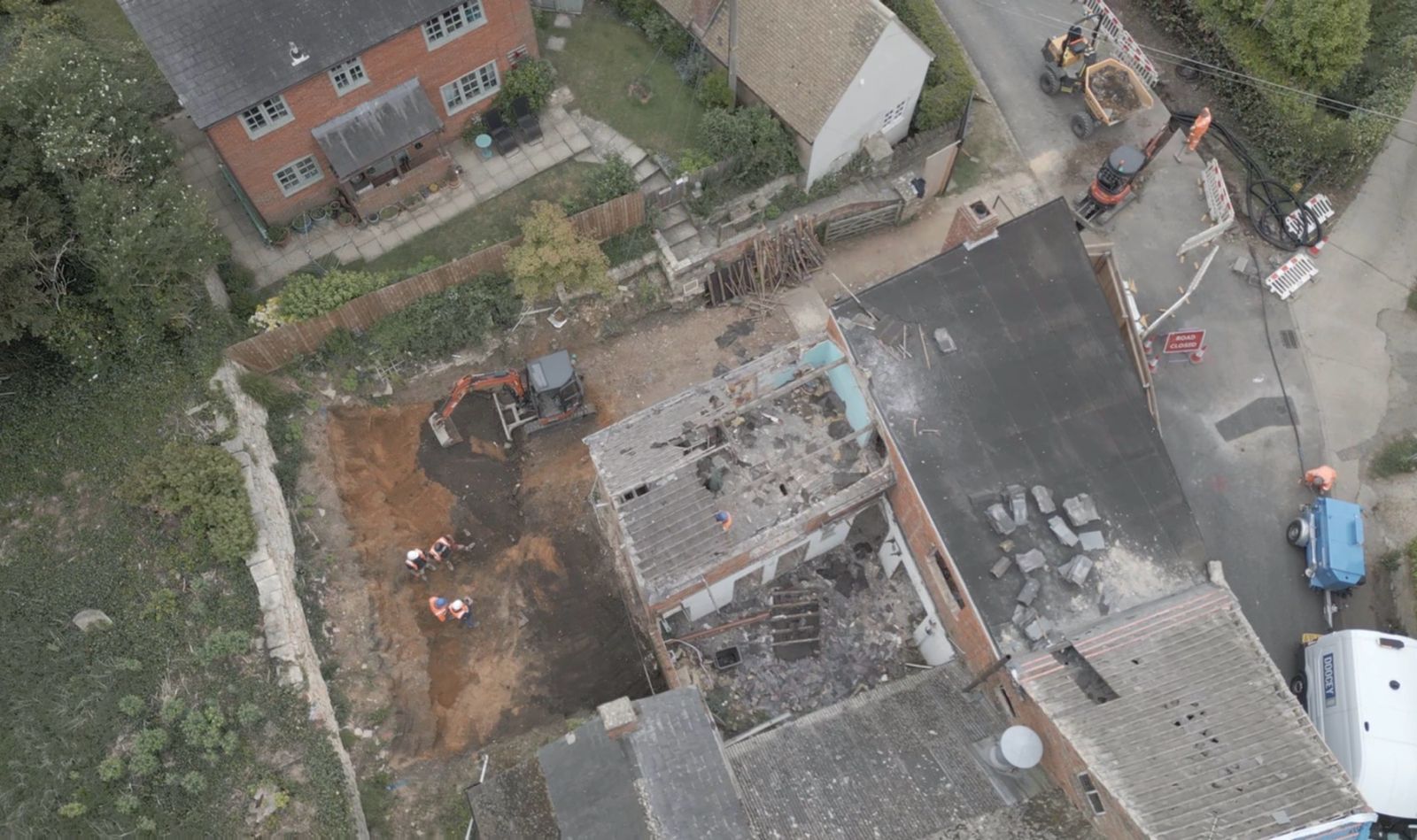
Site preparation also provides an opportunity to identify potential issues before they interrupt construction. Existing foundations, buried services, drainage routes, or areas of unsuitable ground can often be discovered during these early stages. Resolving these matters before foundation installation reduces the likelihood of delays later in the programme and helps maintain a safe, organised working environment throughout the project.
Selecting the Right Foundation System
There is no universal foundation solution suitable for every development. The size of the building, structural loads, soil conditions, and engineering specifications all contribute to the final design.
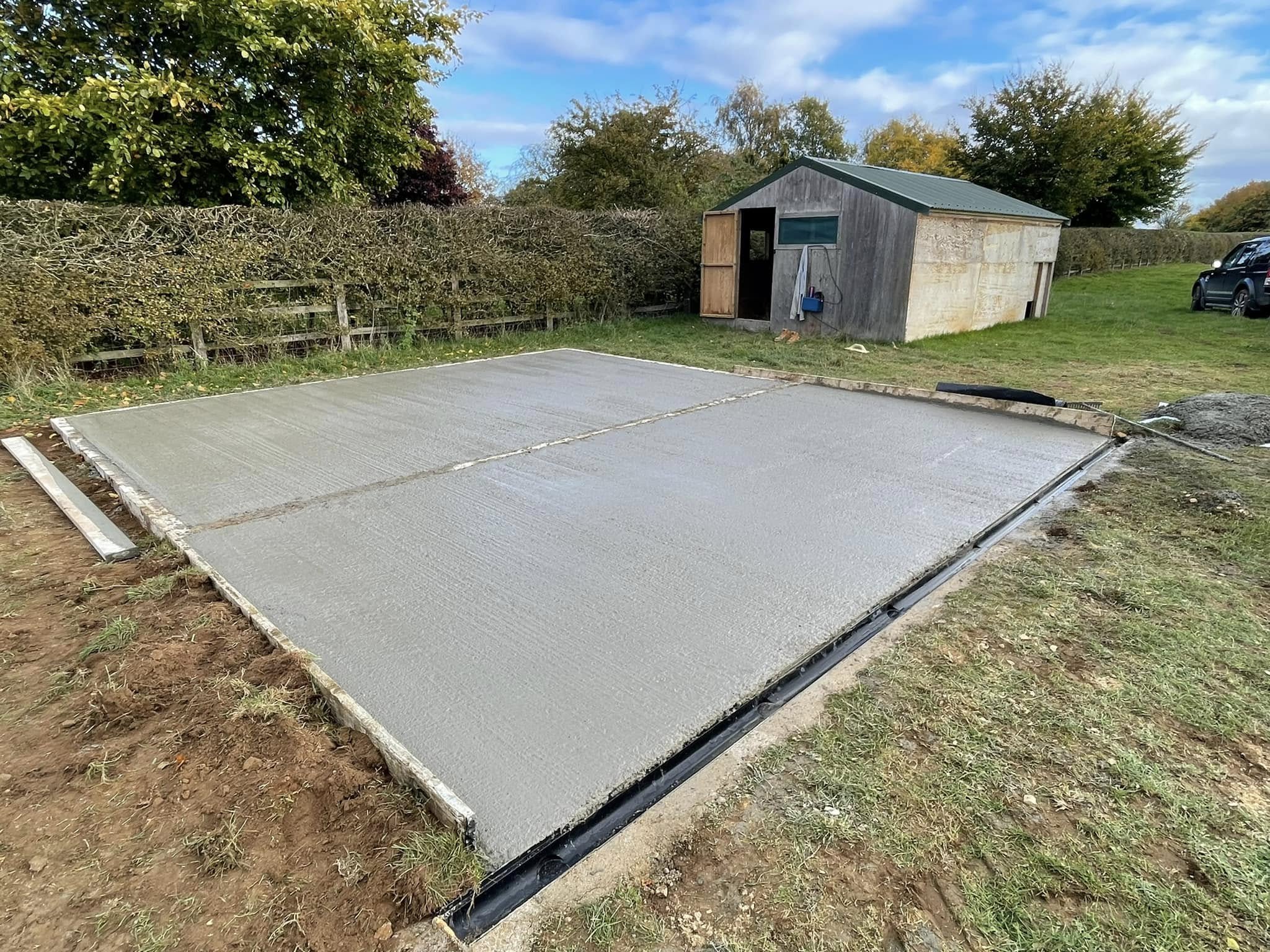
For many residential projects, strip foundations continue to provide a practical solution where stable ground is available. Trench fill foundations may be preferred where excavation depths increase, helping simplify construction while maintaining structural performance. Larger developments may incorporate reinforced concrete slabs, pad foundations, or specialist foundation systems designed for commercial buildings and heavier loads.
Choosing the appropriate system is not simply about construction efficiency. It is about ensuring the finished building is supported by foundations that are appropriate for the conditions beneath it and the demands placed upon the structure over many years.
Drainage and Foundations Work Together
Drainage is closely linked with foundation performance, particularly in areas where changing ground conditions or seasonal rainfall can influence moisture levels beneath a building.
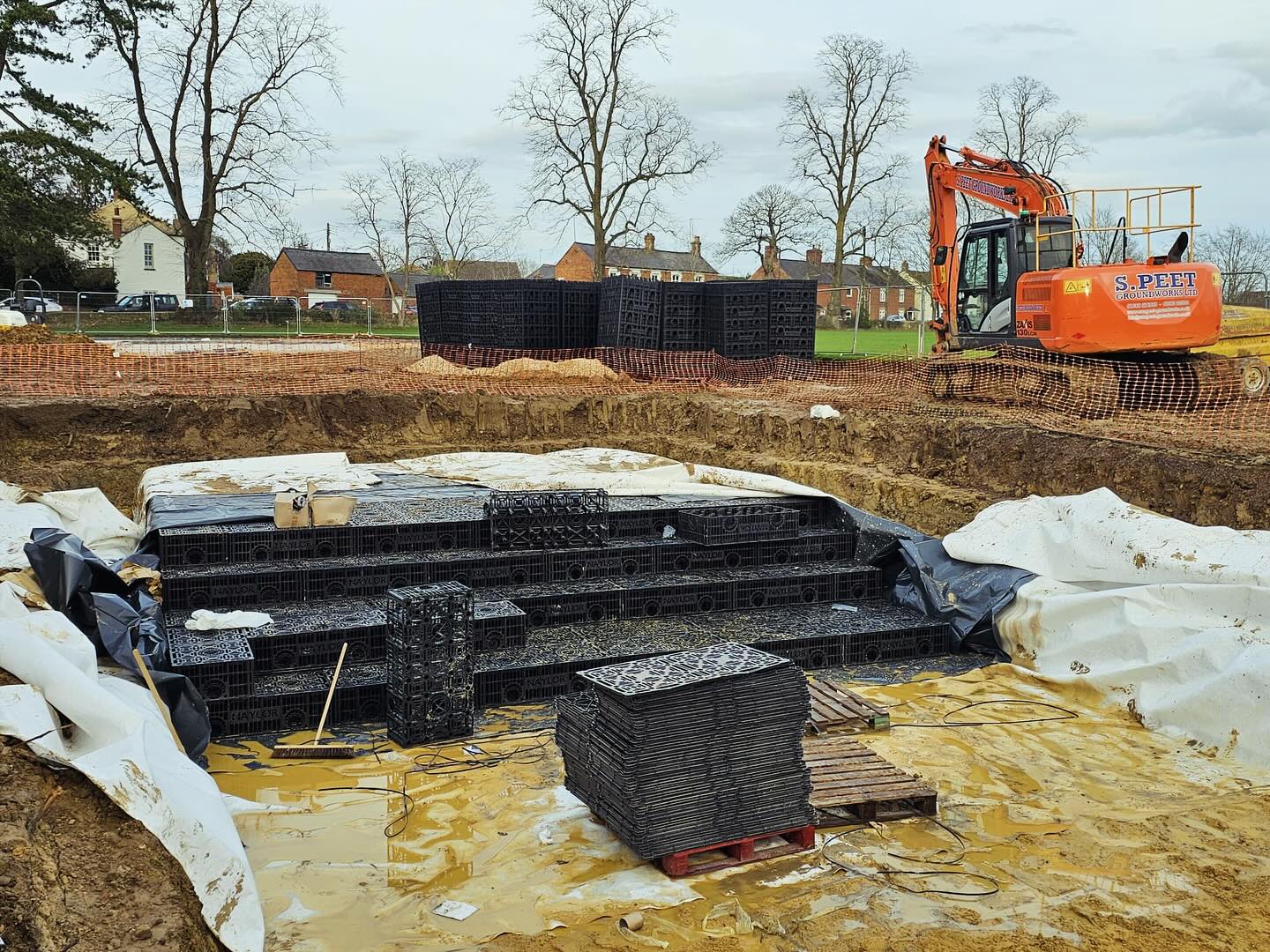
Surface water must be directed away from structures, while foul drainage and underground services need to be carefully coordinated with foundation layouts before construction progresses. Installing drainage at the correct stage helps avoid unnecessary excavation around completed foundations and ensures every below-ground element works together as part of a single construction programme.
Considering drainage alongside foundation planning also helps protect surrounding ground from prolonged saturation, reducing the risk of movement or erosion affecting the completed development in the future.
Earthmoving Often Shapes the Early Stages
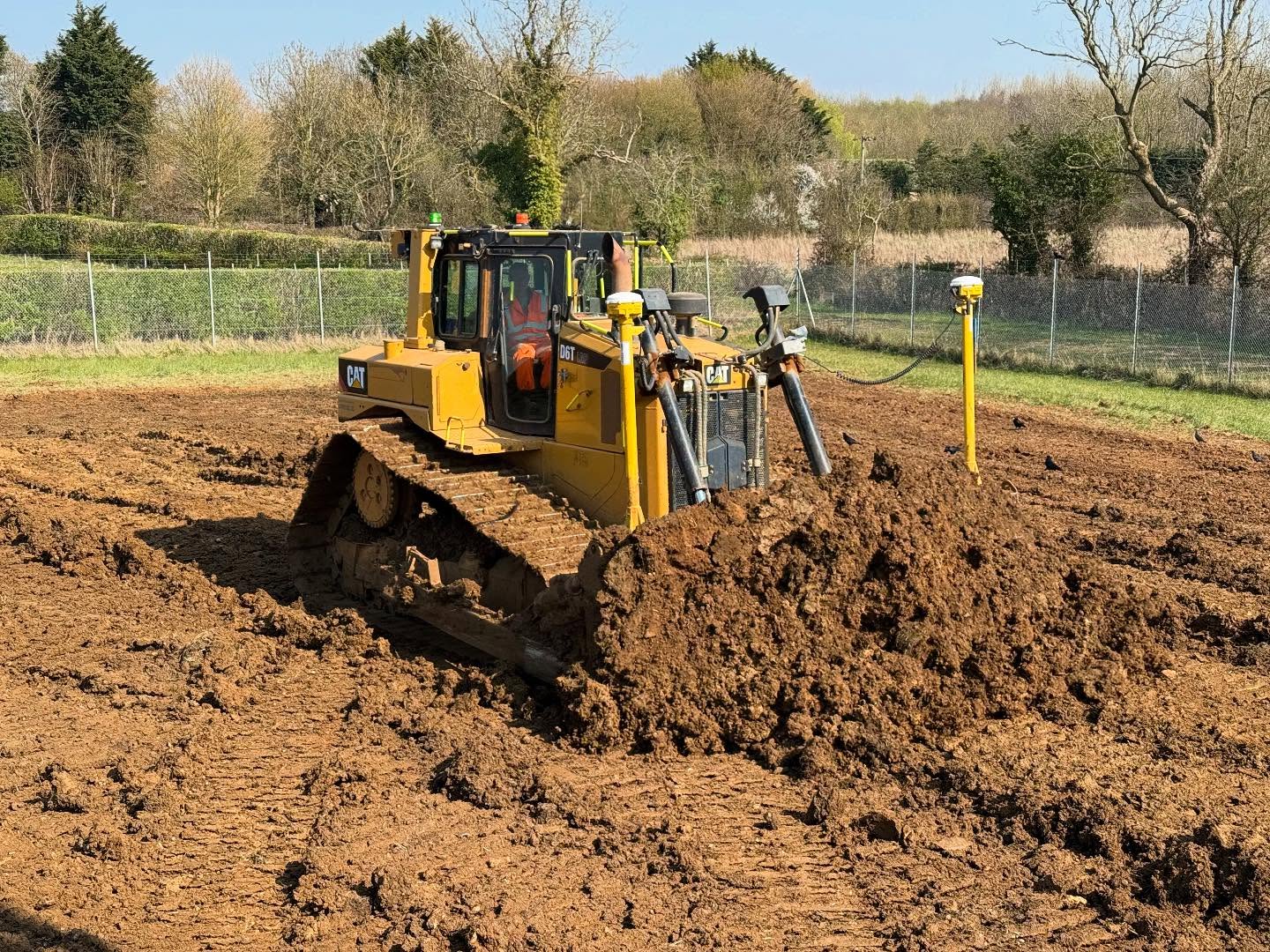
Many foundation projects begin with earthmoving long before concrete is delivered to site. Existing ground levels may need to be adjusted, unsuitable material removed, or working platforms created so excavation can proceed safely.
On sloping sites, which are not uncommon across parts of The Cotswolds, earthmoving can also help establish level building platforms while supporting future drainage and external landscaping. Material excavated from one area may be reused elsewhere where appropriate, reducing waste while helping achieve the finished levels required by the project.
Although these activities are often completed quickly, they provide the stable platform needed for accurate foundation installation.
Foundations for Residential and Commercial Projects
Foundation work supports an extensive range of developments throughout The Cotswolds. Domestic projects may include single-storey extensions, double-storey extensions, garages, garden offices, swimming pools, or self-build homes, each requiring an approach suited to its design and intended use.
Commercial developments often introduce additional considerations, including reinforced concrete slabs, service corridors, hard standings, and foundations capable of supporting heavier structural loads. Agricultural buildings being converted into residential or commercial use can also require carefully planned foundation work where existing structures are being adapted rather than replaced.
Although every project differs in scale, the objective remains consistent: creating a stable base that supports safe construction and reliable long-term performance.
Good Planning Helps Every Project Progress
Many of the decisions that determine the success of a construction project are made before the first walls are built. Taking time to assess ground conditions, coordinate drainage, complete site preparation, and select appropriate foundations helps minimise unexpected issues as work progresses.
While foundations remain hidden beneath the finished development, their influence extends throughout the life of the building. Careful planning during these early stages supports structural stability, protects future investment, and provides confidence that the project has started on the right footing.
Get in Touch
Speaking with an experienced groundworker before excavation begins can help you understand the most suitable approach for your site. Get in touch with the team at Sam Peet Groundworks on 07973 625864 or 07951 796657 for expert advice on all things site preparation, drainage, earthmoving, and foundations across the Cotswolds.