


Site Preparation in Witney
Site preparation is the stage where a development moves from an empty or uneven plot of land into a controlled construction environment ready for building work to begin.
– Sam Peet Groundworks –
What Happens During Site Preparation Before Construction Starts?
Before any foundations are dug or structures are set out, the site must be made suitable for construction activity. In Witney, this often involves a combination of clearance, excavation, ground levelling, drainage planning, and early coordination of services. Each of these stages plays a role in ensuring the site can support safe and efficient construction once work begins.
Establishing a Clear Starting Point
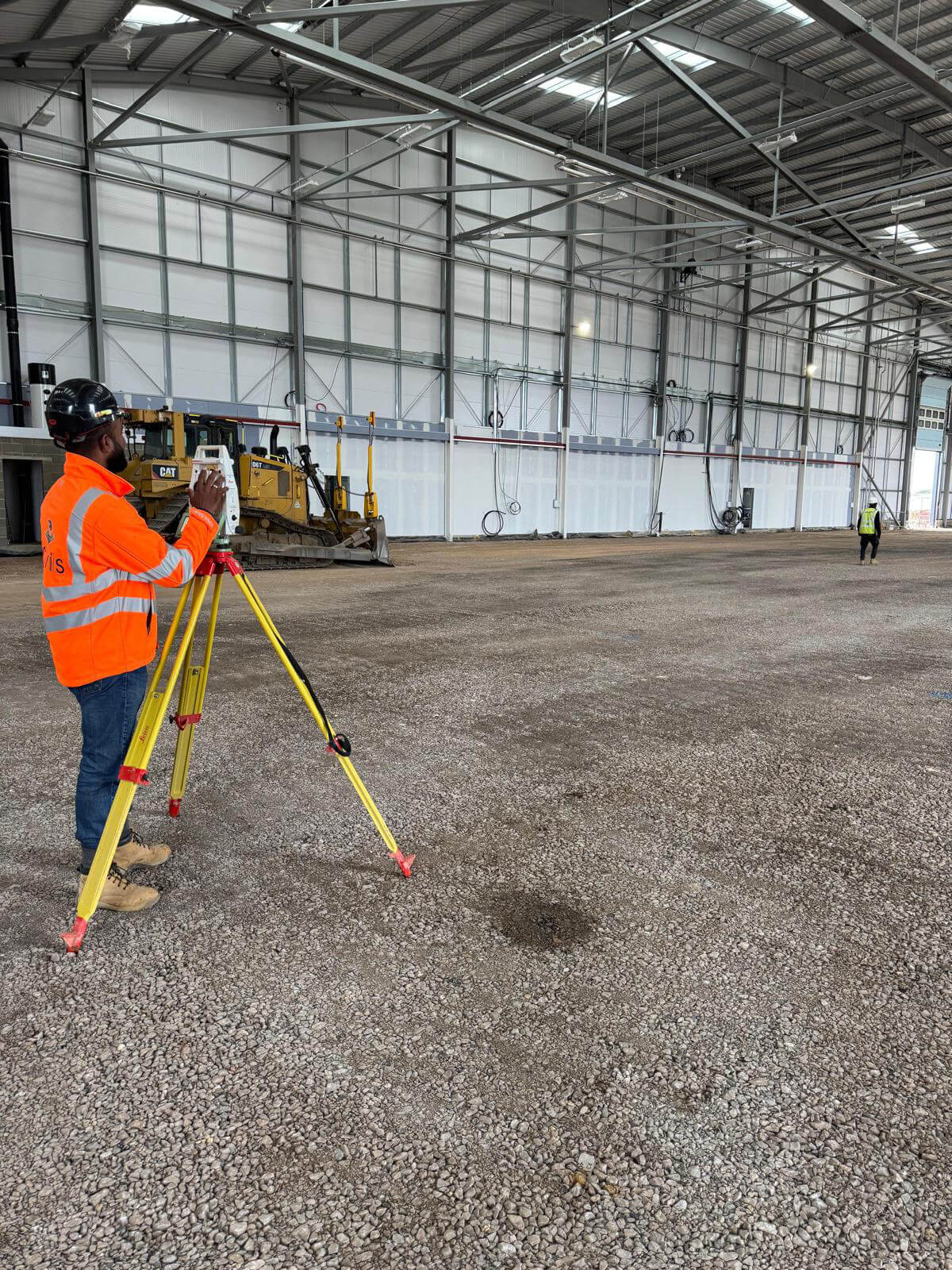
Every project begins with understanding exactly what is already on site. Surveying identifies boundaries, ground levels, and any existing features that could affect construction.
This stage also helps highlight potential constraints such as uneven terrain, restricted access, or previously developed areas that may contain buried structures or services. Once this information is confirmed, a clear plan can be put in place for how the site will be prepared.
Accurate setting out ensures that all future excavation and construction work aligns with the approved design.
Clearing the Site Ready for Work
Site clearance removes anything that prevents construction from progressing safely. This may include vegetation, roots, fencing, hardstanding, rubble, or older foundations that are no longer required.
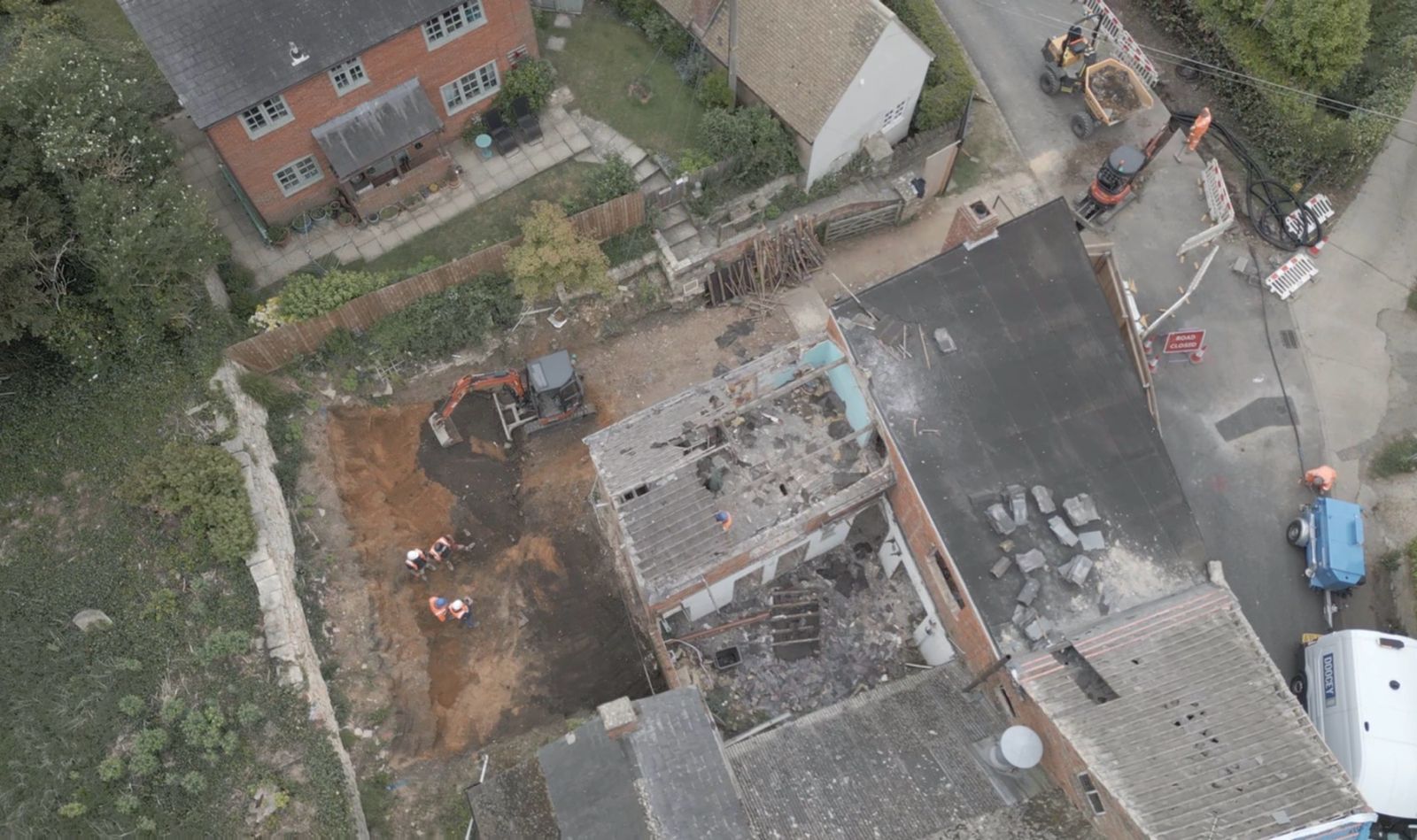
In some cases, demolition is needed before site preparation can continue. Small structures such as garages, outbuildings, or remnants of previous development are often removed at this stage to expose the ground beneath.
Clearing the site properly helps create safe access for machinery and allows the underlying soil conditions to be assessed more accurately.
Excavation and Ground Formation
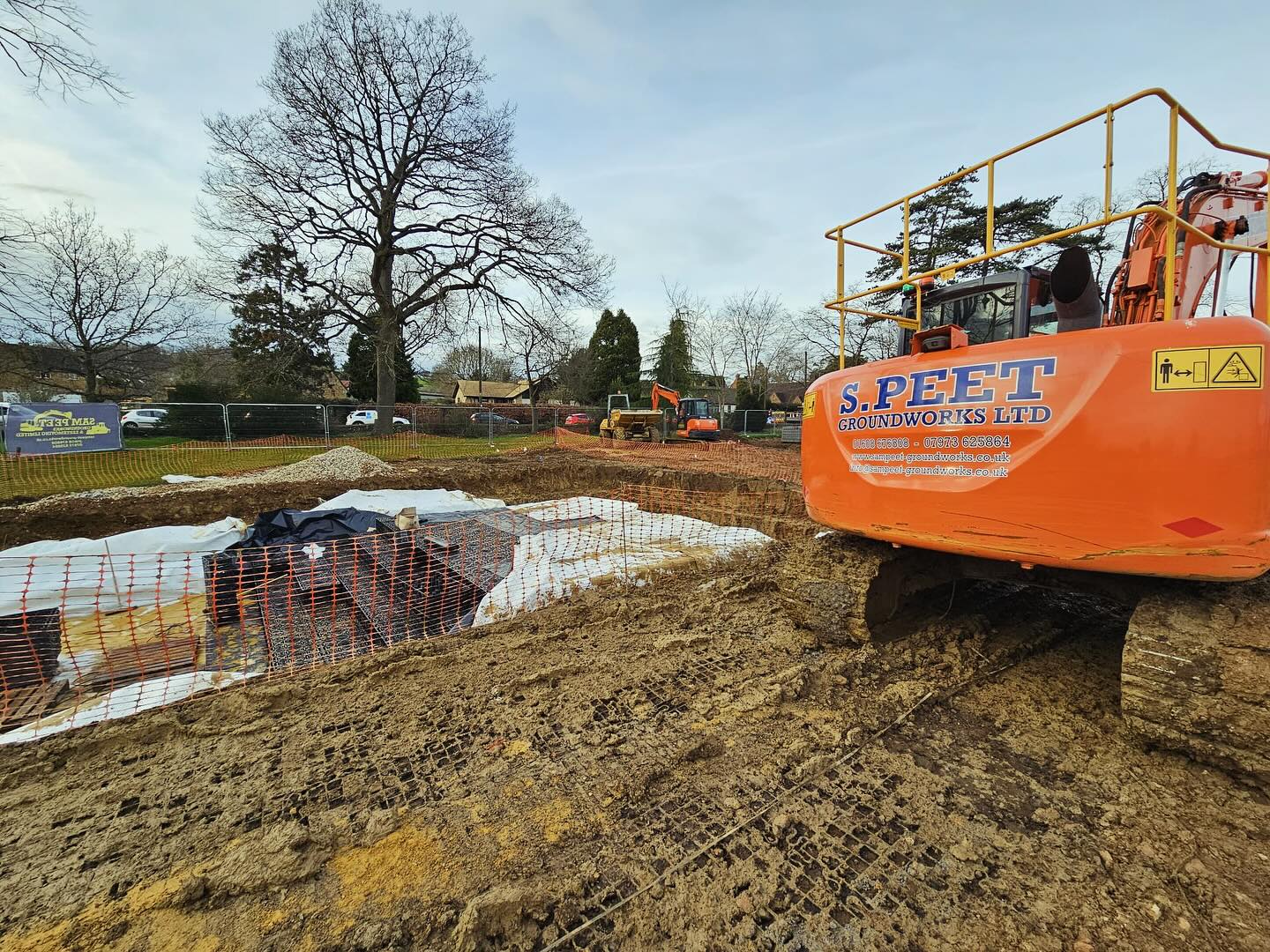
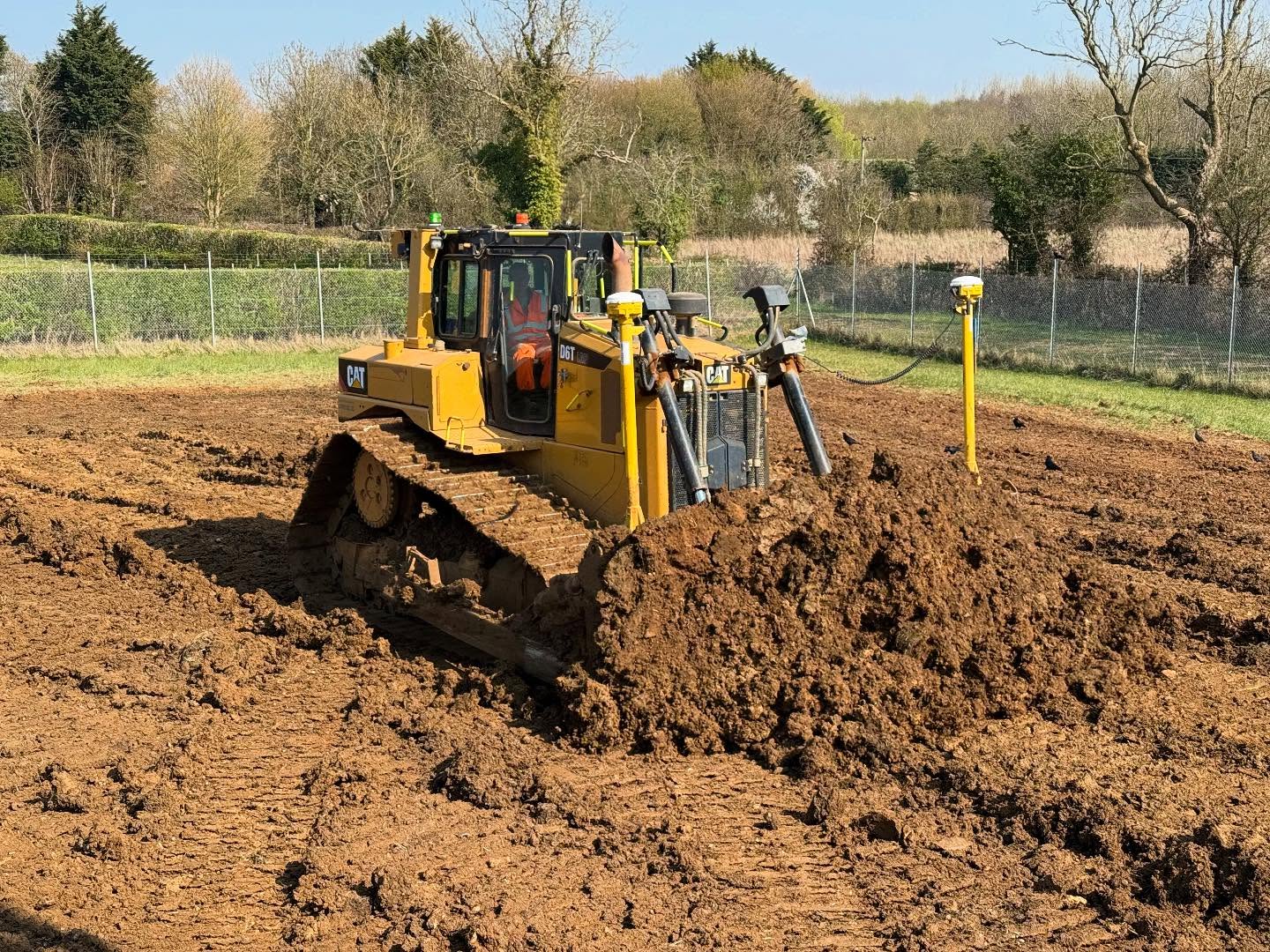
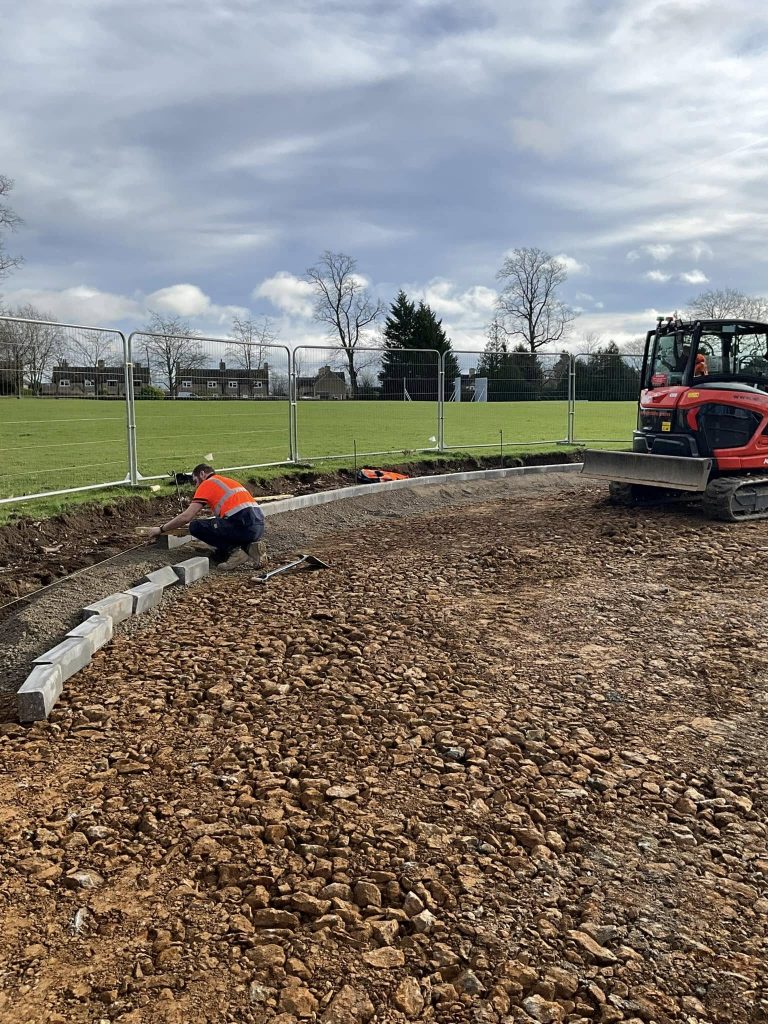
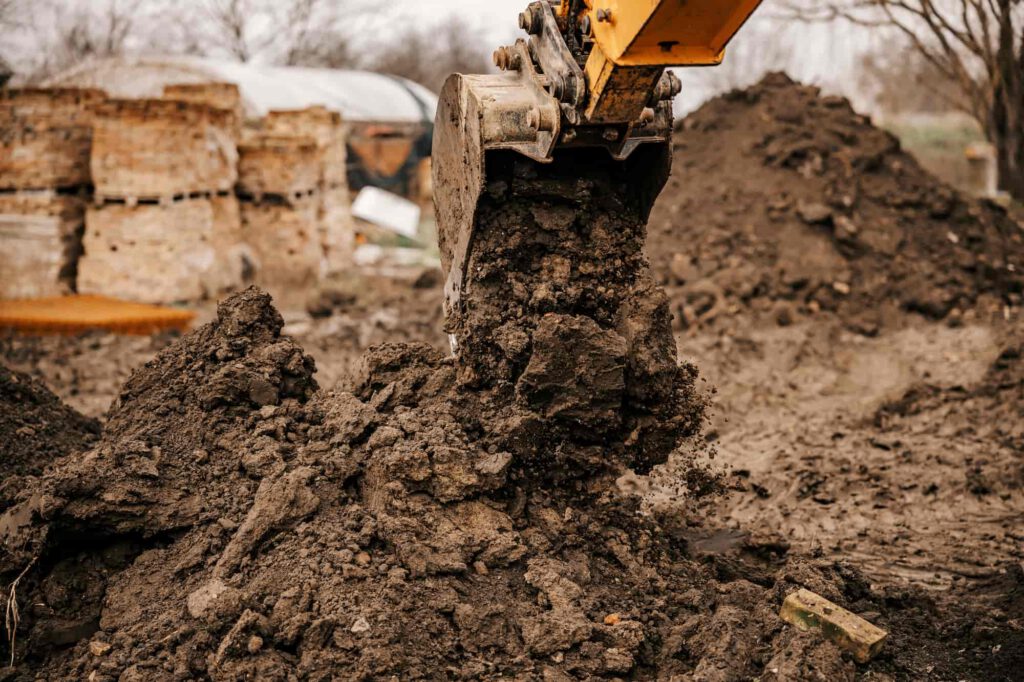
Once the site is clear, excavation and grading begin. This stage involves shaping the ground to match the proposed levels of the development.
Cut and fill operations are often used to redistribute material across the site, helping create stable formation levels for foundations, drainage, and external areas. Depending on the project, some material may be reused on site, while excess spoil is removed.
Grading also helps ensure that surface water can move away from buildings once construction is complete.
Drainage and Early Infrastructure
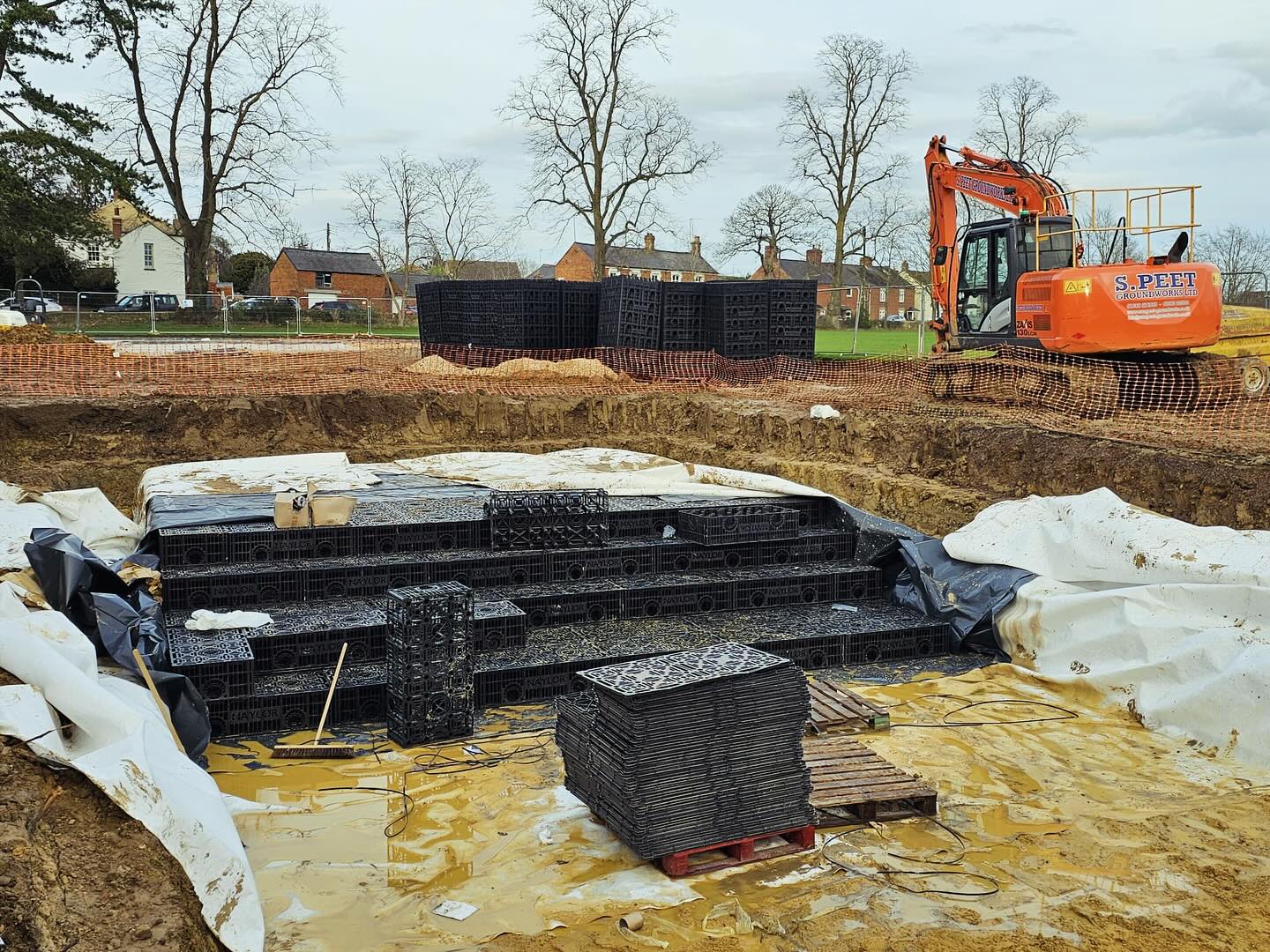
Drainage installation is often carried out during site preparation to avoid disrupting finished construction later in the project.
Trenches are excavated for foul and surface water systems, along with routes for utilities such as water supply, electricity, and telecommunications. These services must be carefully coordinated to prevent conflicts underground once multiple systems are installed.
Early drainage planning also helps establish how water will move across the site during and after construction.
Soil Testing and Ground Stability
Before foundations are installed, the ground may be tested to assess its ability to support the proposed structure.
Soil conditions can vary significantly across a single site. Some areas may require compaction or improvement works to achieve suitable bearing capacity, while others may already be stable enough for construction.
Understanding these conditions early helps reduce uncertainty during later stages of excavation and foundation work.
Safety and Site Management
Site preparation also includes establishing safe working conditions for all contractors on site.
This involves identifying underground utilities before digging begins, setting up site access routes, and ensuring machinery can operate safely without obstruction. Protective measures are introduced to reduce risks associated with excavation, moving plant, and changing ground conditions.
Proper planning at this stage helps maintain a controlled and organised working environment as construction progresses.
Common Issues During Site Preparation
Not every site behaves as expected once preparation begins. Waterlogged ground, high water tables, buried obstructions, or unexpected changes in soil type can all affect progress.
Managing these issues often requires adjusting excavation depth, modifying drainage layouts, or removing unsuitable material before construction can continue. Soil erosion can also become a factor, particularly on sloped or exposed sites.
These challenges are typical in early-stage construction and are usually resolved before foundation work begins.
Why Site Preparation Matters
Although much of this work is not visible once construction is complete, it has a direct impact on how the entire project performs.
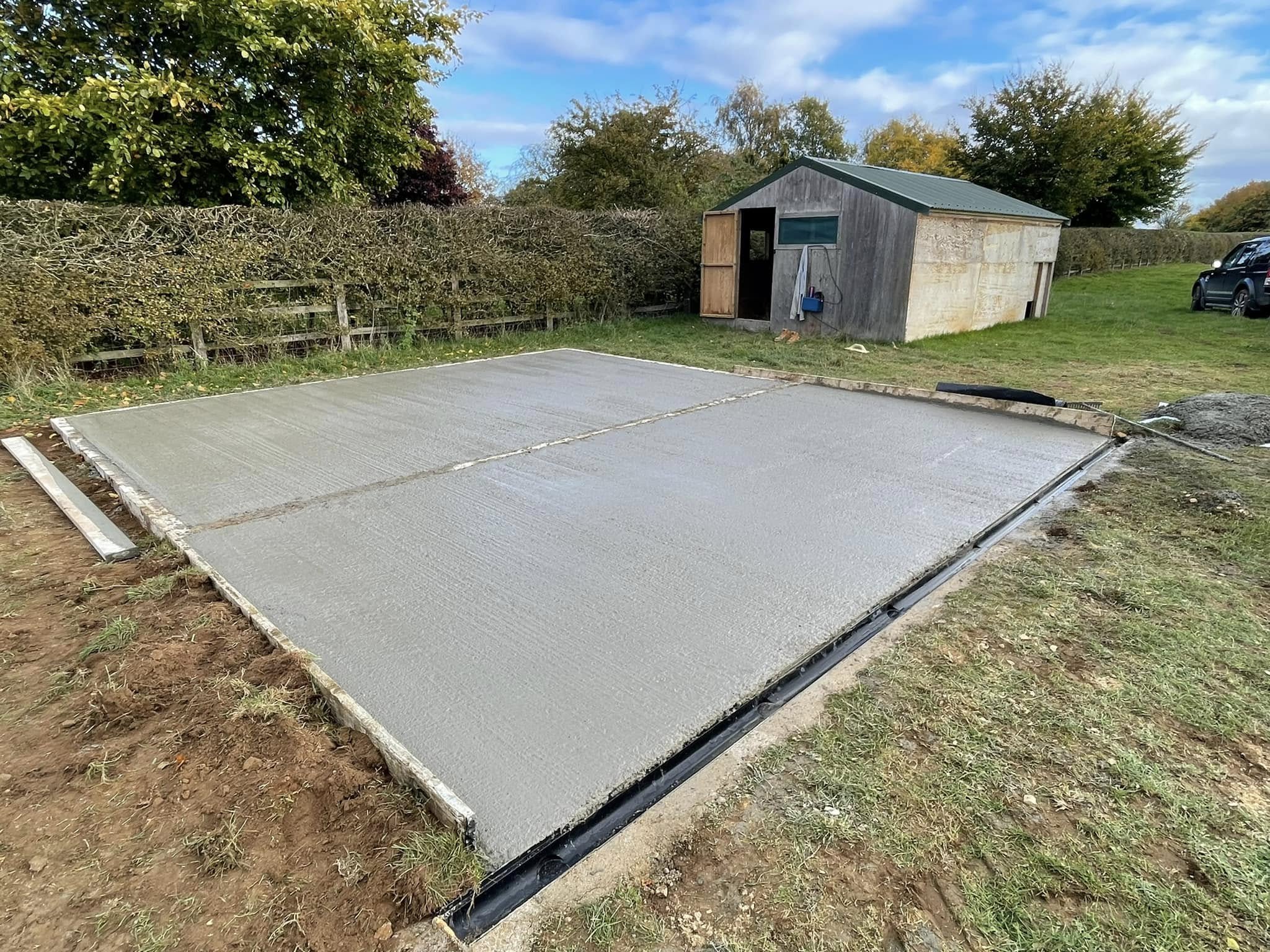
Proper site preparation reduces delays, improves ground stability, and ensures that foundations, drainage systems, and external works are installed on reliable ground. It also helps coordinate different stages of construction so that work can progress in a logical sequence.
Get in Touch
If you’re in Witney or in any of the surrounding towns and villages and need a trusted groundworker who excels in site preparation services, including excavation and drainage installation, call Sam Peet Groundworks today on 07973 625864 or 07951 796657.